Documentary Films
49 films in the documentary genre, all public domain and free to watch.
The HibingeTV documentary collection spans 49 films, ranging from 1906 to 2009. All are in the public domain and free to watch. Standout titles include Man with a Movie Camera, The Great White Silence, Grass: A Nation's Battle for Life.
Documentary, Silent
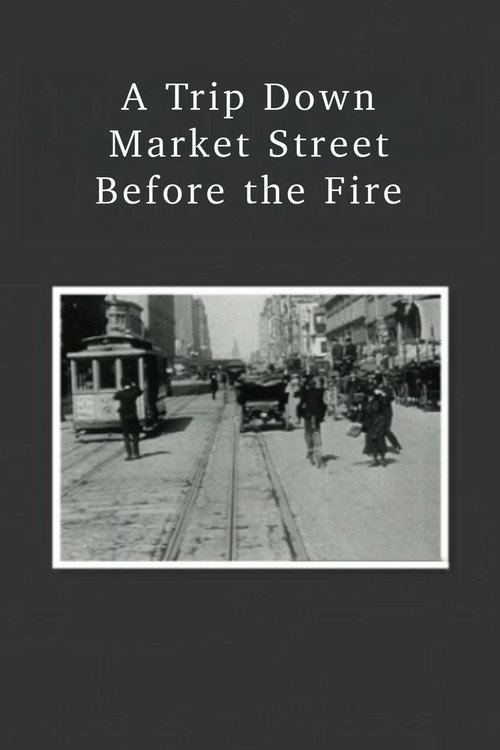
Shot by the Miles Brothers just days before the 1906 San Francisco earthquake, this single continuous take rides a cable car down Market Street toward the Ferry Building, passing horse-drawn wagons, early automobiles, and pedestrians who wander casually into the frame. It is one of the most haunting pieces of early actuality footage ever made: the city it shows was largely destroyed by the quake and fire less than a week later. Historians have used everything from the cars' license plates to puddles on the street to pin down the exact filming date. The film is in the public domain.
Documentary · Silent · Short
A Trip Down Market Street
1906 - Documentary
Documentary, Adventure
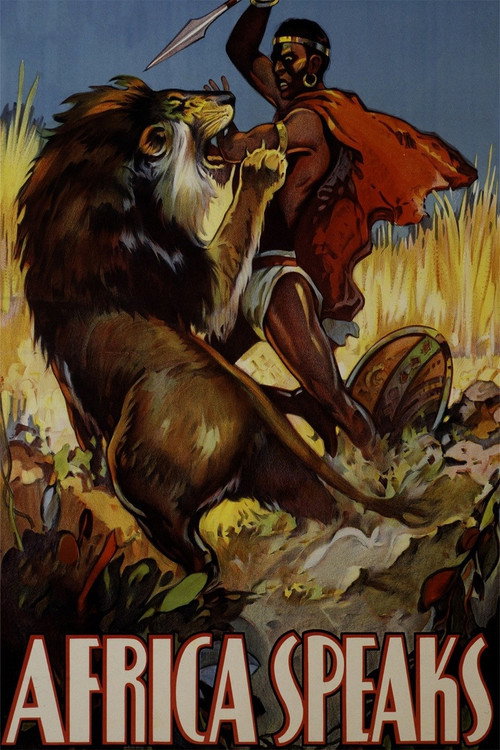
A documentary-style expedition film combining genuine footage from Paul L. Hoefler's 14-month, 14,000-mile trek across Africa with staged scenes filmed in Los Angeles, narrated by Lowell Thomas. Directed by Walter Futter, the film was a surprise hit that captured the sounds and sights of African wildlife and tribal cultures. The film entered the public domain through non-renewal.
Documentary · Adventure
Africa Speaks!
1930 - Documentary
Documentary, Silent
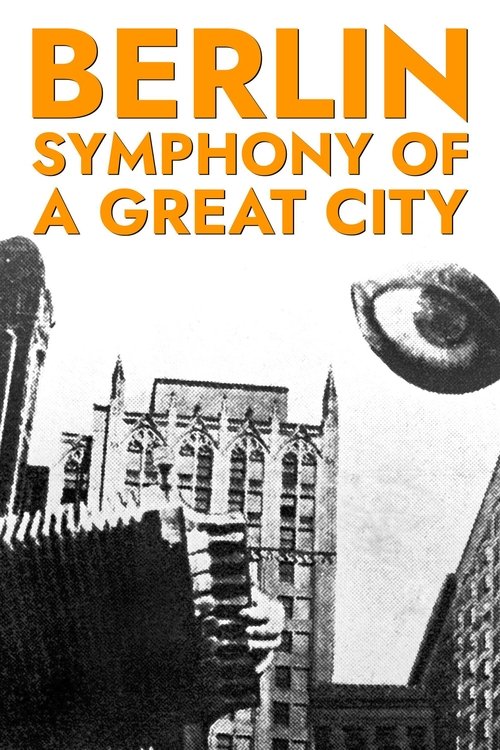
Walter Ruttmann's portrait of one day in Berlin, from the morning trains arriving at an empty city through work, meals, nightlife, and back to the factories at dawn. There is no story and no characters — the city itself is the subject, organized in five "acts" that move through the rhythms of modern urban life. Edited like a piece of music with a commissioned score meant to be performed live, it established the "city symphony" genre and directly inspired Vertov's Man with a Movie Camera two years later. The film is in the public domain in the United States.
Documentary · Silent
Berlin: Symphony of a Great City
1927 - Documentary
Documentary, Adventure
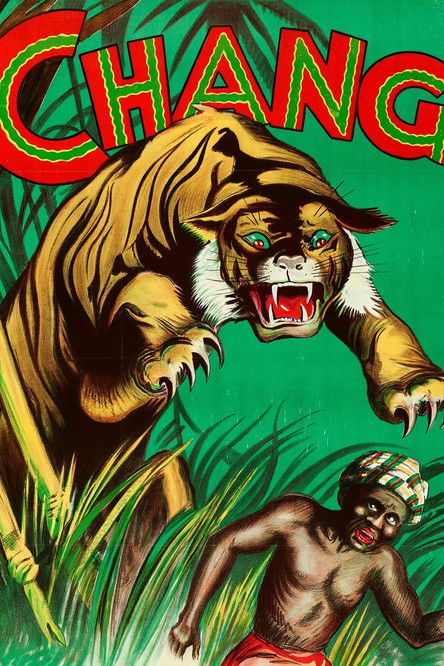
Chang is a remarkable early documentary feature from the team who would later make King Kong. Merian C. Cooper and Ernest B. Schoedsack traveled to the jungles of northern Siam, now Thailand, to film a real farming family's struggle against the wilderness. Kru, his wife, and their children battle a leopard, a tiger, and a herd of elephants that destroys their home. The film is staged in places, but the danger and the animals are real, and the result has the grip of an adventure story. Chang was nominated for an Academy Award and is now a forgotten gem. It entered the public domain in the United States on January 1, 2023.
Documentary · Adventure · Drama · Silent
Chang: A Drama of the Wilderness
1927 - Documentary
Documentary, War
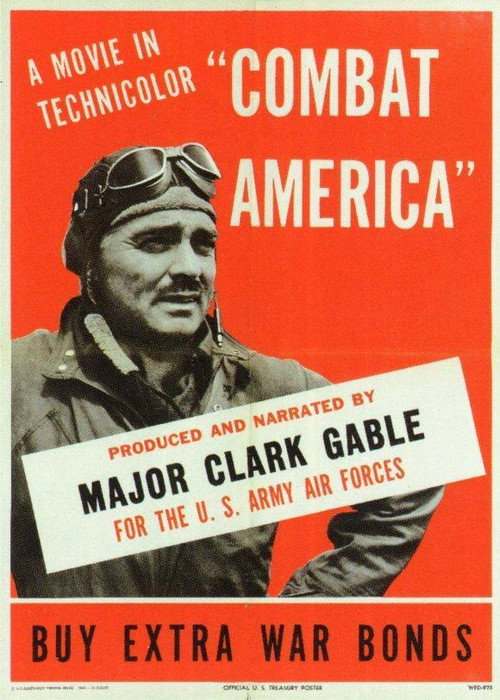
A U.S. Army Air Forces documentary produced by the First Motion Picture Unit and narrated by Clark Gable, who interrupted his superstar career to enlist after the death of his wife Carole Lombard. The film follows a single B-17 Flying Fortress crew of the 351st Bombardment Group from training in the United States through combat missions over Nazi-occupied Europe — Gable himself flew five missions over Germany gathering footage. Built to sell war bonds and reassure audiences about what their sons were facing, it doubles as an unusually frank portrait of daylight bombing at its most dangerous. As a work of the United States government it is in the public domain.
Documentary · War
Combat America
1943 - Documentary
War, Documentary
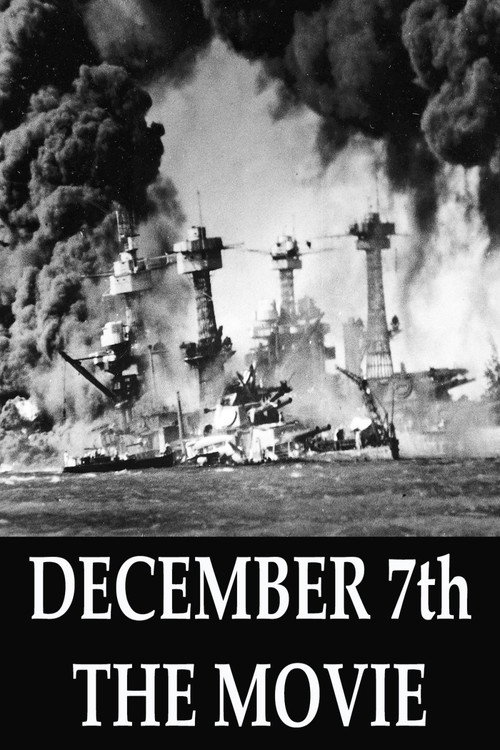
John Ford and cinematographer Gregg Toland made this film about the attack on Pearl Harbor for the U.S. Navy. The original cut ran 82 minutes and asked uncomfortable questions about American readiness and the treatment of Japanese Americans; the Navy shelved it and Ford cut it to 32 minutes, concentrating on the battle and the recovery. The shorter version won the Academy Award for Best Documentary Short Subject in 1944. Toland's staged recreation of the attack was so convincing that feature films borrowed footage from it for decades. As a work of the U.S. federal government, the film is in the public domain.
War · Documentary
December 7th
1943 - War
War, Documentary
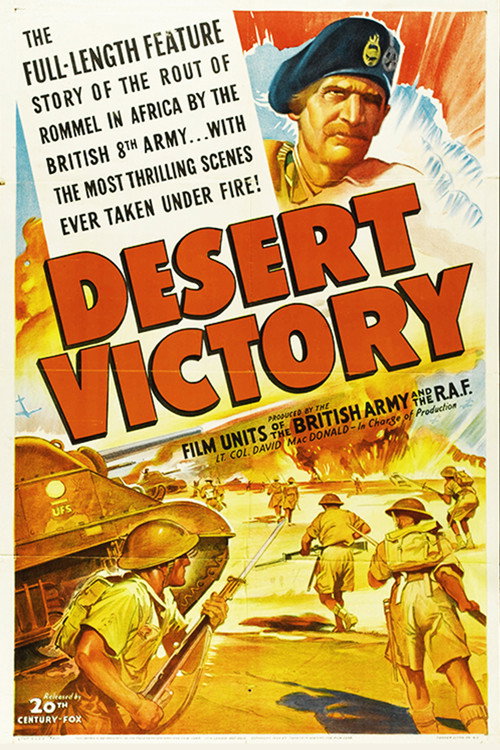
A British documentary about the Allied campaign to drive Germany and Italy from North Africa, centered on the Battle of El Alamein. Produced by the Army Film and Photographic Unit and the Royal Air Force Film Production Unit, it was shot by cameramen embedded with the Eighth Army during the advance across the desert, and four of them were killed, seven wounded, and six captured in the making of it. The film follows Montgomery's army from the defensive line at El Alamein through the pursuit of Rommel's forces across 1,400 miles to Tripoli. It won the Academy Award for Best Documentary Feature. As a work of the United Kingdom government, the film is in the public domain.
War · Documentary
Desert Victory
1943 - War
War, Documentary
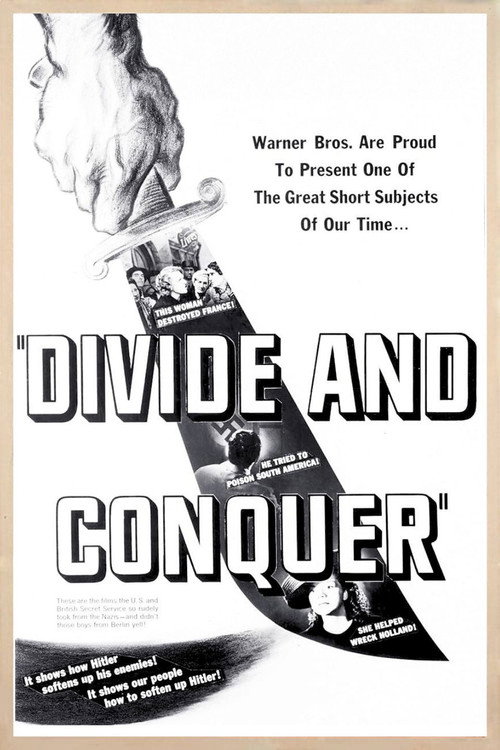
The third chapter of Frank Capra's "Why We Fight" series picks up after Britain and France declare war on Germany. It follows the Nazi capture of Denmark and Norway, the conquest of Luxembourg, Belgium, and the Netherlands, and the collapse of France in just over a month. The film pays blunt attention to Nazi atrocities, including the bombing of Rotterdam, and explains the German tactic of flooding roads with refugees to slow Allied armies. Made for the U.S. War Department, it won the Academy Award for Best Documentary. As a work of the U.S. federal government, the film is in the public domain.
War · Documentary
Divide and Conquer
1943 - War
Documentary, Silent
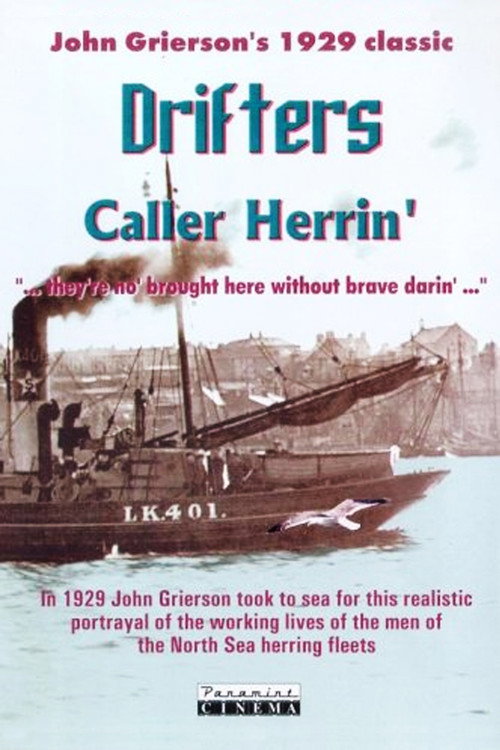
The only film John Grierson directed himself, made for the Empire Marketing Board at the birth of the British documentary movement. It follows a North Sea herring fleet from port to fishing grounds to the market where the catch is sold — an ordinary industry turned into an epic through montage borrowed from Eisenstein and underwater photography that still looks remarkable. Grierson, who coined the word "documentary," made the film to argue that cinema could dignify everyday work. The film is in the public domain.
Documentary · Silent
Drifters
1929 - Documentary
Documentary, Short
The most famous civil defense film ever made: an animated turtle named Bert teaches American schoolchildren to "duck and cover" when they see the flash of an atomic bomb. Produced by Archer Productions for the Federal Civil Defense Administration and shown in classrooms across the country, it is equal parts genuine safety instruction and Cold War theater — critics have long debated whether a school desk was ever going to help. It entered the Library of Congress's National Film Registry in 2004. The film is in the public domain.
Documentary · Short
Duck and Cover
1951 - Documentary
Documentary, Silent
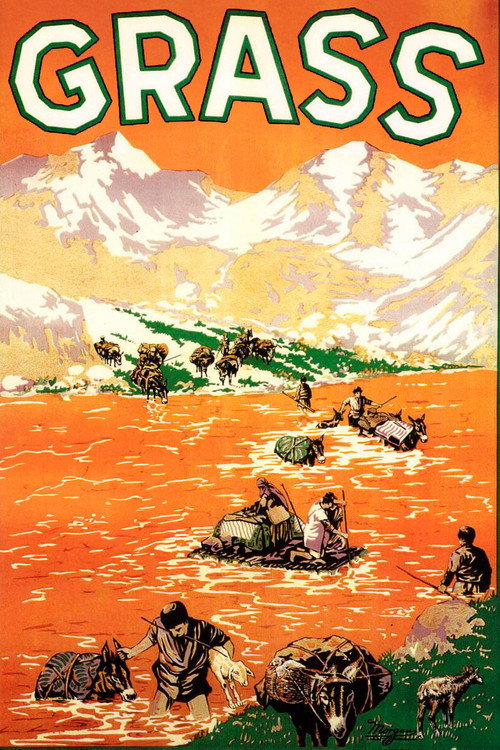
Before King Kong, Merian C. Cooper and Ernest B. Schoedsack made their name with this astonishing ethnographic documentary. They joined the Bakhtiari tribe of Persia on its annual migration — some 50,000 people and half a million animals crossing icy rivers and a 12,000-foot mountain pass in search of pasture. The scale is still hard to believe, and the sequence of the migration over the Karun River on inflated goatskin rafts is one of the great images in documentary history. Released by Paramount in 1925 and never renewed, the film is in the public domain.
Documentary · Silent
Grass: A Nation's Battle for Life
1925 - Documentary
War, Documentary
A wartime propaganda short produced by the U.S. Department of Agriculture to convince American farmers to plant hemp. With Japan's 1942 occupation of the Philippines cutting off the rope fiber imports the Navy depended on, the government needed domestic production fast — this film walks farmers through planting, harvesting, and processing the crop, with hemp promised to buy war bonds at harvest. Long suppressed after the war when hemp was lumped back in with marijuana prohibition, it resurfaced as a staple of cannabis-reform lore; the USDA denied the film existed until a copy turned up in a government archive in 1989. As a work of the U.S. federal government, it is in the public domain.
War · Documentary · Short
Hemp for Victory
1942 - War
Documentary
A 2009 French documentary film by Yann Arthus-Bertrand, produced by Luc Besson's EuropaCorp. The film is almost entirely composed of aerial shots of various places on Earth, filmed in 54 countries over 18 months. It shows the diversity of life on Earth and how humanity is threatening the ecological balance of the planet — covering agriculture, energy, water, climate change, and biodiversity. The English version is narrated by Glenn Close. The filmmaker declared the film has no copyright and made it freely available for distribution on World Environment Day, June 5, 2009, with the goal of reaching the widest possible audience.
Documentary
Home
2009 - Documentary
Drama, Documentary
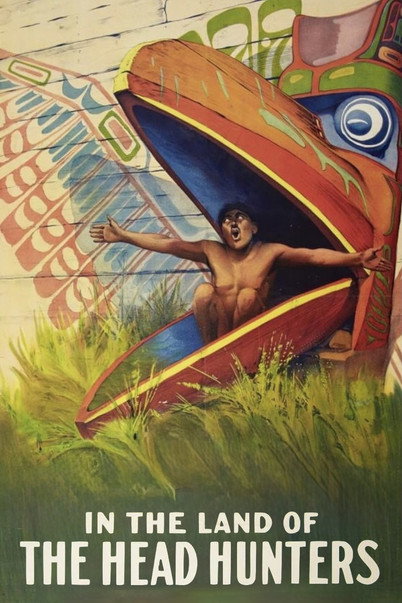
The first feature-length film with an entirely Indigenous cast, depicting the world of the Kwakwaka'wakw peoples of British Columbia's Central Coast. Written and directed by photographer Edward S. Curtis, the film blends authentic representations of Kwakwaka'wakw culture with a melodramatic narrative of love, war, and sorcery. A landmark of early cinema, restored and re-edited in the 1970s as In the Land of the War Canoes. The film entered the public domain through non-renewal.
Drama · Documentary · Adventure
In the Land of the Head Hunters
1914 - Drama
Documentary
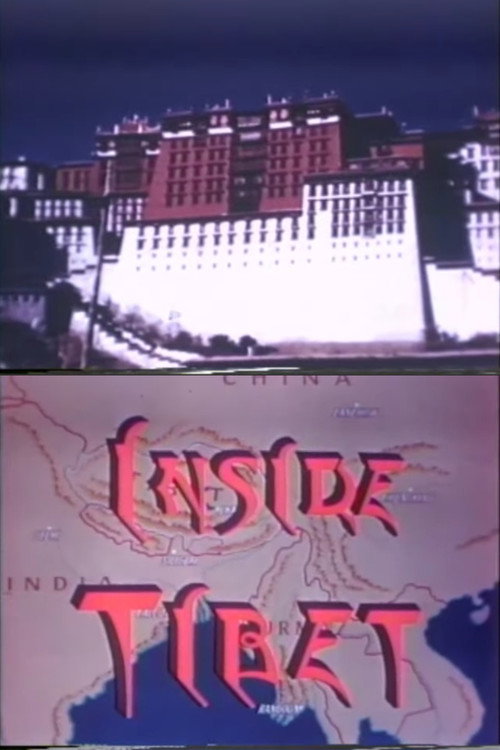
A U.S. military and diplomatic mission film documenting the journey from Gangtok, India, to Lhasa, Tibet during World War II. The party crosses the Natu La and Kechu La passes, stops at the British trail station at Gyantse, reviews Tibetan troops, and is ferried across the Brahmaputra River. Rare footage of Tibetan natives, terrain, the New Year religious festival, the Dalai Lama's palaces, and monasteries. The film entered the public domain as a U.S. government work.
Documentary
Inside Tibet
1943 - Documentary
War, Documentary
The U.S. government's own film about the internment of Japanese Americans, produced by the Office of War Information with the War Relocation Authority. WRA director Milton Eisenhower, the president's brother, appears on camera to explain that more than 100,000 people — most of them American citizens — have been moved from the West Coast to inland camps, and the narration frames it as a humane wartime necessity. What it does not mention is that no charges or trials were involved. It stands as a primary document of wartime propaganda aimed at Americans themselves. As a work of the U.S. federal government, the film is in the public domain.
War · Documentary · Short
Japanese Relocation
1943 - War
War, Documentary
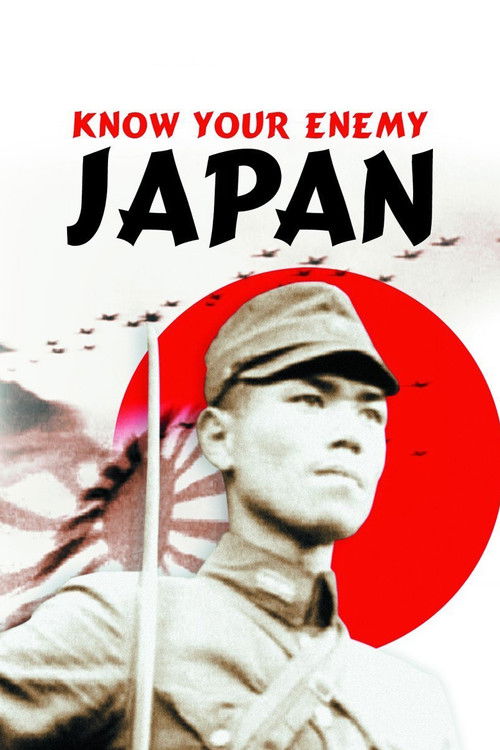
Frank Capra's companion piece to the "Why We Fight" series, produced for the War Department to orient troops headed for the Pacific. Joris Ivens began the film; Capra finished it, building a portrait of Japanese history and militarism out of captured Japanese footage — including material taken from Japan's own propaganda — before the surrender made it obsolete. It was withheld until 1977, and its portrayal of an entire people is both historically revealing and deeply of its moment. As a work of the U.S. federal government, the film is in the public domain.
War · Documentary
Know Your Enemy: Japan
1945 - War
War, Documentary
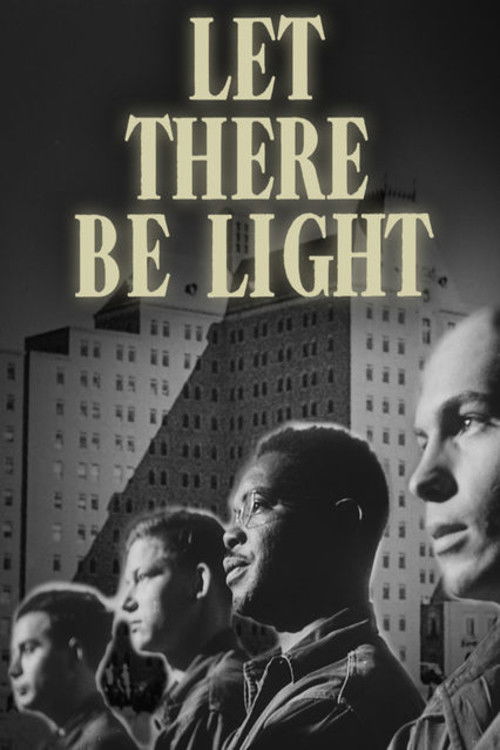
John Huston's last war documentary and the most controversial: filmed inside a military psychiatric hospital, it follows soldiers with what the Army called "psychoneurotic" conditions — today it would be PTSD — through treatment and back toward ordinary life. Walter Huston narrates. The War Department suppressed it for more than thirty years, reportedly because it showed damaged veterans too honestly, and it did not reach the public until 1980. It is now in the National Film Registry. As a work of the U.S. federal government, the film is in the public domain.
War · Documentary
Let There Be Light
1946 - War
Documentary, Silent
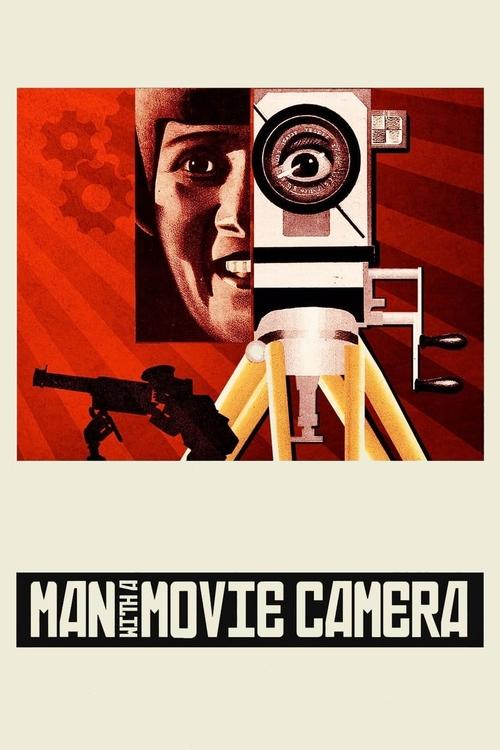
Dziga Vertov's radical experiment: a day in the life of Soviet cities shot by his brother Mikhail Kaufman, assembled with every trick the silent era allowed — split screens, double exposure, freeze frames, slow motion, and editing so fast it still feels modern. Vertov's "Kino-Eye" manifesto argued the camera could reveal truths invisible to the naked eye, and the film keeps showing its own machinery, including the cameraman at work and the audience watching. Routinely ranked among the greatest documentaries ever made. The film is in the public domain.
Documentary · Silent
Man with a Movie Camera
1929 - Documentary
Documentary, Silent
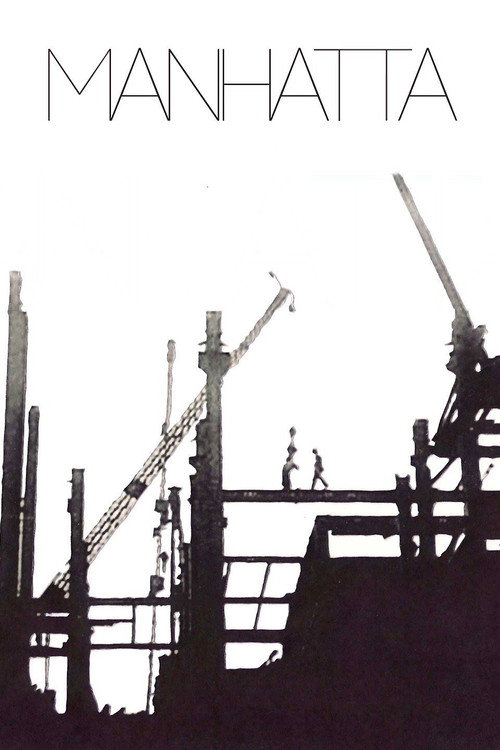
Two of America's great modernist photographers, Charles Sheeler and Paul Strand, spent a summer shooting New York City and assembled the result into this ten-minute film, organized around lines from Walt Whitman's poetry. Skyscrapers, harbor traffic, and crowds are framed as pure geometry — it is generally considered the first avant-garde film made in America and the earliest of the "city symphony" documentaries that culminated in Berlin: Symphony of a Great City and Man with a Movie Camera. The film is in the public domain.
Documentary · Silent · Short
Manhatta
1921 - Documentary
Documentary, Silent
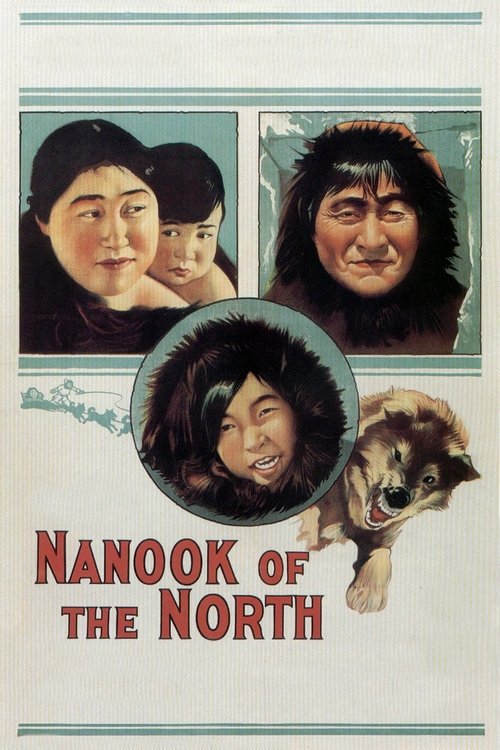
The first feature-length documentary and still one of the most famous ever made. Robert Flaherty spent years among the Inuit of the Hudson Bay region and returned with the story of Nanook — really a hunter named Allakariallak — and his family struggling through an Arctic winter. Flaherty staged and romanticized much of it: "Nanook's" family was cast for the film, and harpoons were used after rifles had already arrived. Critics have argued about that for a century, but the film invented the documentary feature and remains gripping survival cinema. The film is in the public domain.
Documentary · Silent
Nanook of the North
1922 - Documentary
Documentary, Short
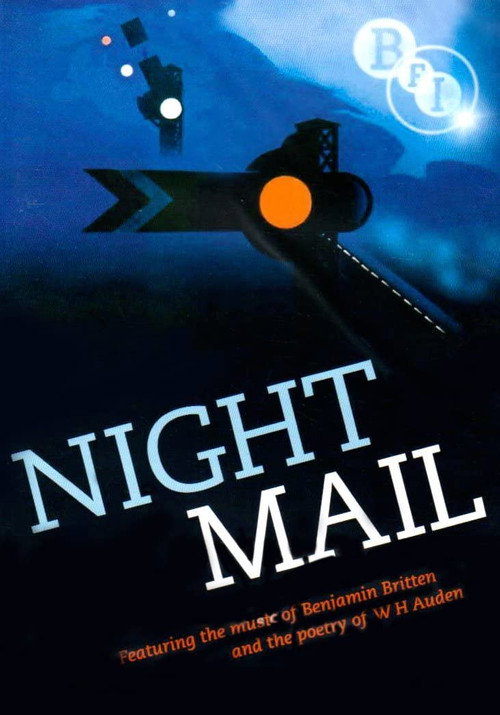
The best-known film of the British documentary movement, made by the GPO Film Unit to celebrate the postal special that carried letters overnight from London to Scotland. The first two-thirds are lucid observation — mail bags sorted at speed, trackside apparatus snatching pouches without stopping — and the finale is the famous experiment: W. H. Auden's verse written to match the train's rhythm over Benjamin Britten's score, accelerating as the mail crosses the border. A film about sorting letters that became a small masterpiece. The film is in the public domain.
Documentary · Short
Night Mail
1936 - Documentary
War, Documentary
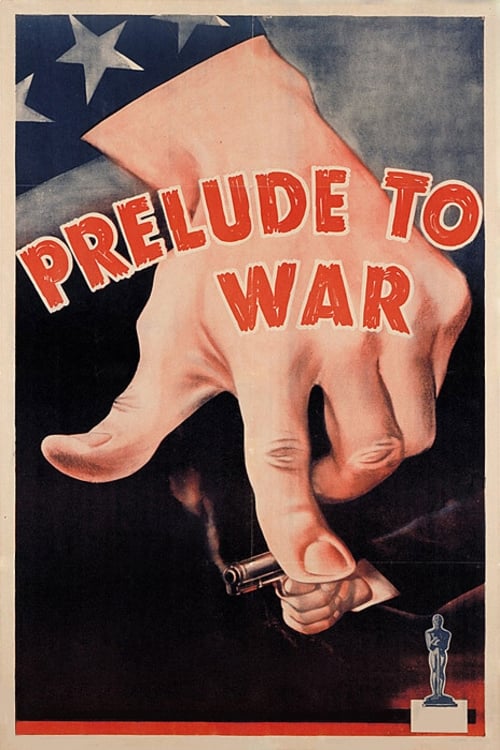
The first chapter of Frank Capra's "Why We Fight" series, made for the U.S. War Department to explain to soldiers and the public why the country was at war. The film frames World War II as a struggle between the "slave world" of the Axis dictatorships and the "free world" of American liberty, tracing the rise of Mussolini, Hitler, and Japanese militarism through archival footage and animated maps. Walter Huston narrates. The series was supervised by Capra, then a major in the Army Signal Corps, who drew on captured enemy footage and Hollywood editing techniques to make propaganda that played like a feature film. As a work of the U.S. federal government, the film is in the public domain.
War · Documentary
Prelude to War
1942 - War
War, Documentary
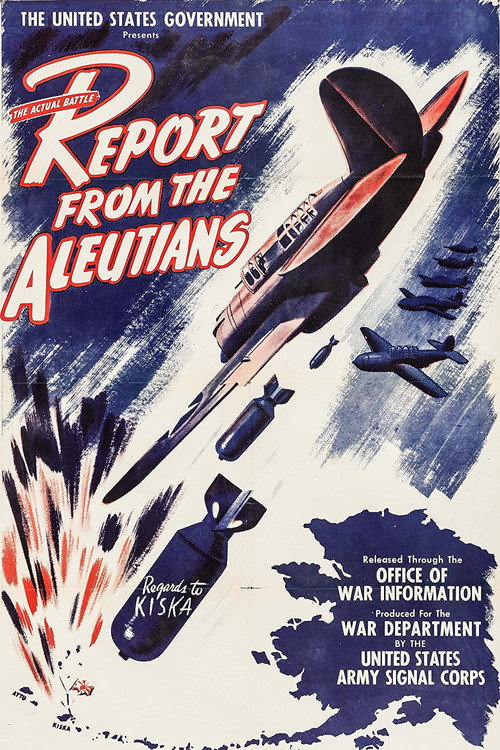
The first of John Huston's three war documentaries, made while he served as a captain in the U.S. Army Signal Corps. The film follows the daily life of American soldiers stationed on the Aleutian island of Adak, a cold and barren outpost of immense strategic value in the Pacific, and culminates in a bombing run over Japanese-occupied Kiska that Huston filmed from the plane himself. He narrates with his father, Walter Huston. It was nominated for the Academy Award for Best Documentary. As a work of the U.S. federal government, the film is in the public domain.
War · Documentary
Report from the Aleutians
1943 - War
Documentary, War
A documentary film directed by William Keighley for the First Motion Picture Unit of the U.S. Army Air Forces. The film describes the preparation and mounting of an Eighth Air Force daylight bombing raid on Nazi Germany industrial targets in East Prussia, including Anklam, the air base at Marienburg, and Gdynia in occupied Poland. From target selection through briefing, takeoff, combat footage of B-17 and B-24 bombers, and post-mission interrogation, the film provides a comprehensive account of a single bombing mission. The film was also shown in civilian theaters in connection with war bond drives. As a U.S. government work, it is in the public domain.
Documentary · War
Target for Today
1944 - Documentary
War, Documentary
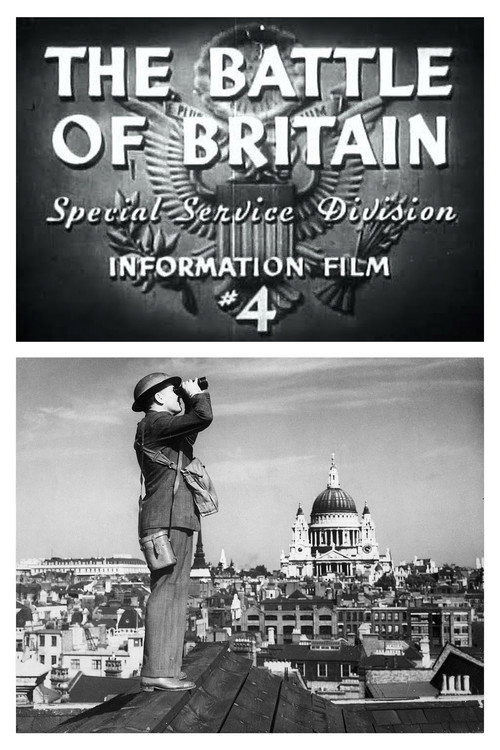
The fourth chapter of Frank Capra's "Why We Fight" series is devoted to the British stand against Germany in 1940, from the fall of France through the Luftwaffe's campaign to destroy the Royal Air Force and the Blitz that followed. The film argues that the Royal Air Force's refusal to break saved Britain and, by extension, the possibility of a liberated Europe. It blends British combat footage with captured German material and animated maps. Made for the U.S. War Department. As a work of the U.S. federal government, the film is in the public domain.
War · Documentary
The Battle of Britain
1943 - War
War, Documentary
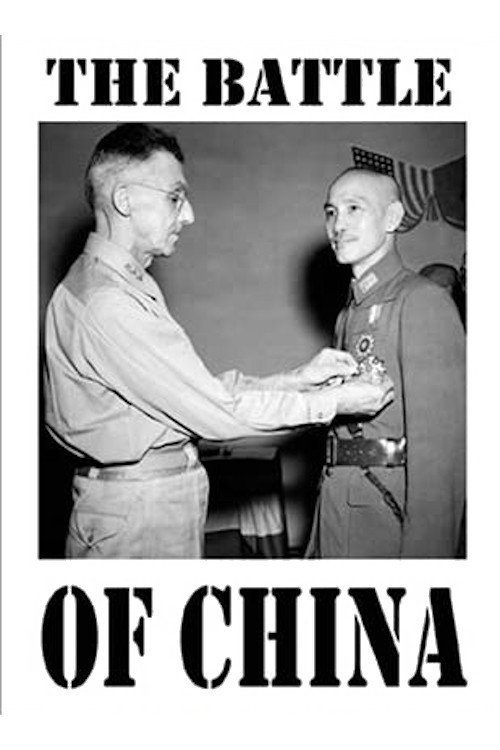
The sixth chapter of Frank Capra's "Why We Fight" series explains Japan's long ambition to conquer China. It covers the invasion of Manchuria, the fall of Nanking, and the Chinese resistance that unified a fractured country against a foreign enemy. The film highlights the Burma Road, the seven-hundred-mile supply route the Allies built over the mountains to keep the Chinese army fed and armed, and argues that Japan's frustration in China drove it toward the Pacific and the United States. Made for the U.S. War Department. As a work of the U.S. federal government, the film is in the public domain.
War · Documentary
The Battle of China
1944 - War
War, Documentary
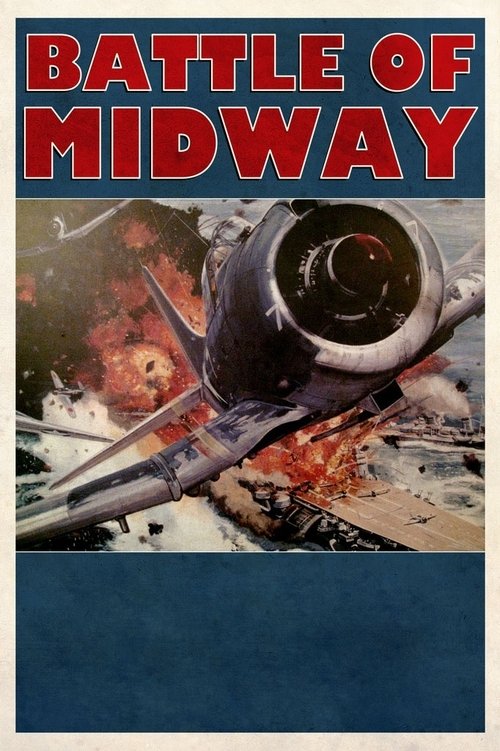
John Ford, serving as a commander in the U.S. Naval Reserve, was on Midway Island when the Japanese attacked in June 1942 and was wounded while filming. The result is one of the first American combat documentaries of the war, shot in color and built around the pivotal naval battle that broke the back of the Japanese carrier fleet. The film shifts between the calm of island life, the chaos of the attack, and the recovery of American airmen from the sea. Hollywood voices including Henry Fonda, Donald Crisp, and Jane Darwell narrate, giving the footage a human, almost home-front tone. It won the Academy Award for Best Documentary. As a work of the U.S. federal government, the film is in the public domain.
War · Documentary
The Battle of Midway
1942 - War
War, Documentary
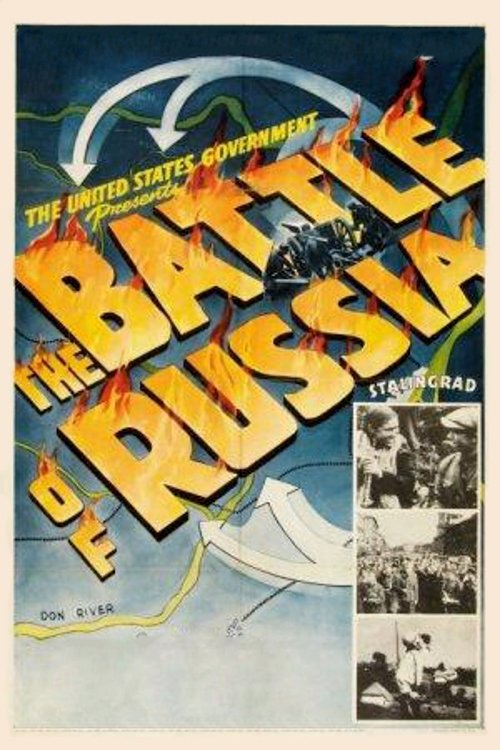
The fifth and longest chapter of Frank Capra's "Why We Fight" series covers the German invasion of the Soviet Union and the Red Army's defense. Co-directed by the Russian-born Anatole Litvak, the film recounts seven hundred years of failed invasions of Russia, then traces the Nazi advance to the gates of Moscow and Leningrad and the turning point at Stalingrad. Released two years before the Cold War, it portrays the Soviet people sympathetically as allies. Walter Huston narrates, with a score by Dimitri Tiomkin drawing on Tchaikovsky and Russian folk song. As a work of the U.S. federal government, the film is in the public domain.
War · Documentary
The Battle of Russia
1943 - War
War, Documentary
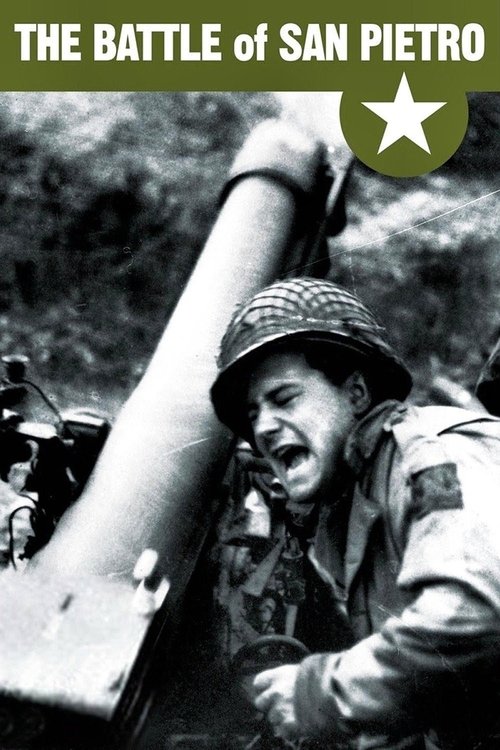
John Huston's second war documentary is about the 1943 Battle of San Pietro Infine, a costly Allied fight in the Italian campaign. Huston filmed with troops in the field, and the result was so unflinching that the U.S. Army initially refused to show it, fearing it would damage morale. General George Marshall ordered its release, arguing that soldiers headed into combat should see what war really looked like. Some battle scenes were re-created with the soldiers who had fought there, but the cost is real: two members of Huston's crew were killed during filming. As a work of the U.S. federal government, the film is in the public domain.
War · Documentary
The Battle of San Pietro
1945 - War
War, Documentary
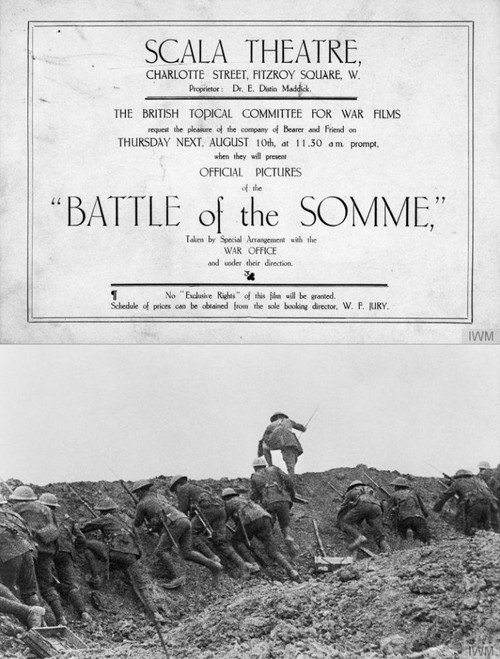
The first great war documentary, assembled from footage shot by official cameramen Geoffrey Malins and John McDowell during the opening of the Somme offensive in July 1916. Released in British cinemas while the battle still raged, it was seen by an estimated 20 million people in its first six weeks — audiences at home had never before watched soldiers go over the top on screen. Much of the most harrowing "combat" footage was staged behind the lines, a fact that sparked one of the earliest debates about documentary truth. As a British government film from 1916, it is in the public domain.
War · Documentary · Silent
The Battle of the Somme
1916 - War
Documentary
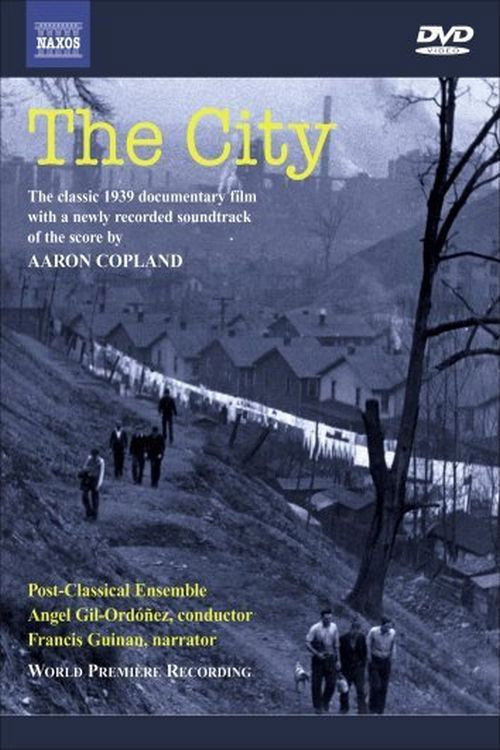
Commissioned by the American Institute of Planners for the 1939 New York World's Fair, The City argues its way from an idealized New England town through coal-country blight and Manhattan congestion to the planned "greenbelt" communities of the New Deal. Ralph Steiner and Willard Van Dyke photographed it, Aaron Copland wrote his first film score, and the result is both advocacy and a superb piece of filmmaking — the "Lunchtime Rush" montage alone is a silent-comedy set piece. Released for civic distribution without a copyright renewal, the film is in the public domain.
Documentary
The City
1939 - Documentary
Documentary
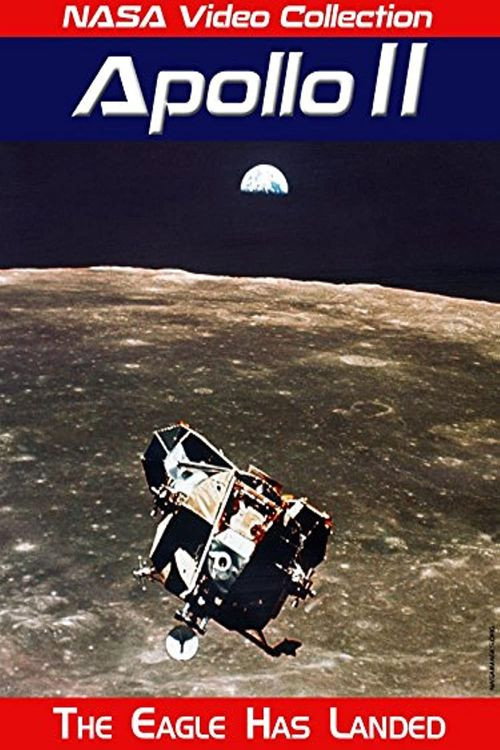
NASA's official documentary film of the Apollo 11 mission, covering the launch, lunar landing, first moonwalk by Neil Armstrong and Buzz Aldrin, and safe return to Earth. The film captures the historic July 1969 mission that fulfilled President Kennedy's goal of landing a man on the Moon. The film entered the public domain as a U.S. government work.
Documentary
The Eagle Has Landed: The Flight of Apollo 11
1969 - Documentary
War, Documentary
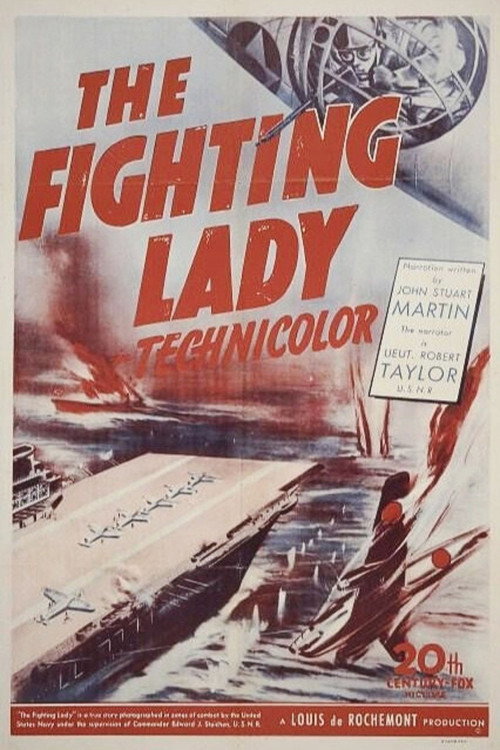
Directed by the renowned photographer Edward Steichen while he served in the U.S. Navy, this documentary follows life aboard an aircraft carrier in the Pacific, identified only as "the Fighting Lady" for wartime security (she was the USS Yorktown). The film moves from the routines of life at sea through the Panama Canal to combat in the Marcus Islands and the climactic "Marianas Turkey Shoot," where American pilots downed nearly four hundred Japanese aircraft. Cameras mounted in cockpit canopies show what it is like to dive through anti-aircraft fire. The film won the Academy Award for Best Documentary Feature. As a work of the U.S. federal government, the film is in the public domain.
War · Documentary
The Fighting Lady
1944 - War
Documentary, Silent
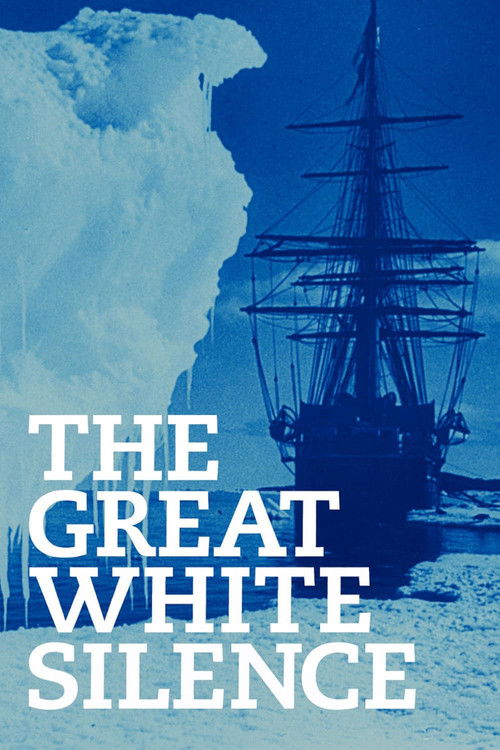
Herbert Ponting was the official photographer on Robert Falcon Scott's Terra Nova expedition, and this film — assembled from footage he shot between 1910 and 1912 — is the most complete motion picture record of early Antarctic exploration. Ponting filmed the voyage south, life at the Cape Evans hut, and Scott's team preparing for the pole, and he lectures his own footage like a showman. The film ends before the expedition's tragic end: Scott and four companions died on the return from the pole in 1912. Made for a British expedition and released in 1924, the film is in the public domain.
Documentary · Silent
The Great White Silence
1924 - Documentary
Documentary
A 1967 American documentary film directed and narrated by Peter Adair. A groundbreaking example of cinema verite, the film explores the religious fervor of a small Pentecostal congregation in rural West Virginia. The church services include snake handling (mainly copperheads), speaking in tongues, faith healing, and singing, with meetings lasting four to six hours multiple times a week. Adair's camera captures interviews with congregants who describe their experiences of salvation through the Holy Ghost, and the film culminates with a ceremonial handling of poisonous snakes — ironically, it is the preacher who gets bitten. The film has entered the public domain and is available at the Internet Archive.
Documentary
The Holy Ghost People
1967 - Documentary
Documentary
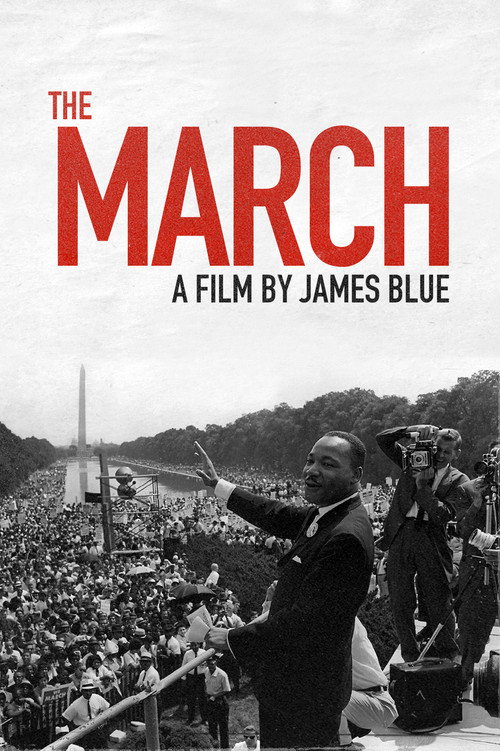
A documentary film about the August 28, 1963 March on Washington for Jobs and Freedom, where a quarter of a million people gathered to demand civil and economic rights for Black Americans. Directed by James Blue for the United States Information Agency, the film captures Martin Luther King Jr.'s historic "I Have a Dream" speech. Added to the National Film Registry in 2008. The film entered the public domain as a U.S. government work.
Documentary
The March
1964 - Documentary
War, Documentary
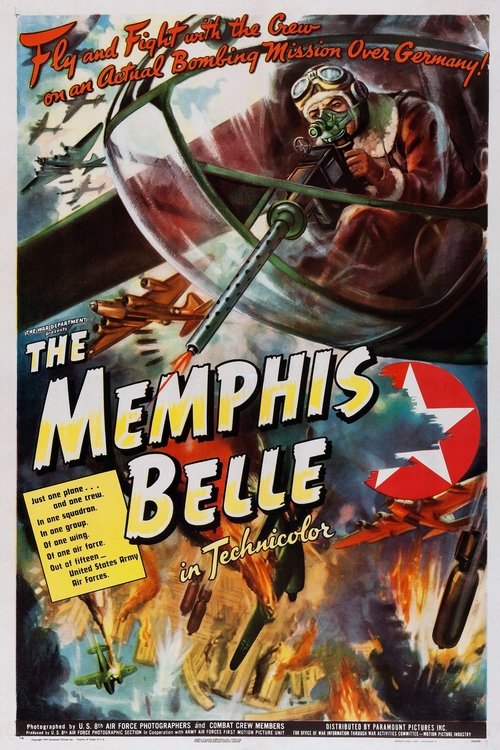
William Wyler, serving in the U.S. Army Air Forces, filmed the crew of the B-17 bomber Memphis Belle on its 25th and final mission over Europe, the milestone that would send the crew home. Shot with hand-held 16mm cameras mounted inside the plane, the documentary puts the viewer inside a real bombing raid, with flak so thick the crew said you could walk on it. Wyler combined footage from several missions to tell the story of one plane and its ten crewmen, ordinary Americans doing a job that might not let them come back. One of Wyler's cameramen was killed during filming. As a work of the U.S. federal government, the film is in the public domain.
War · Documentary
The Memphis Belle: A Story of a Flying Fortress
1944 - War
War, Documentary
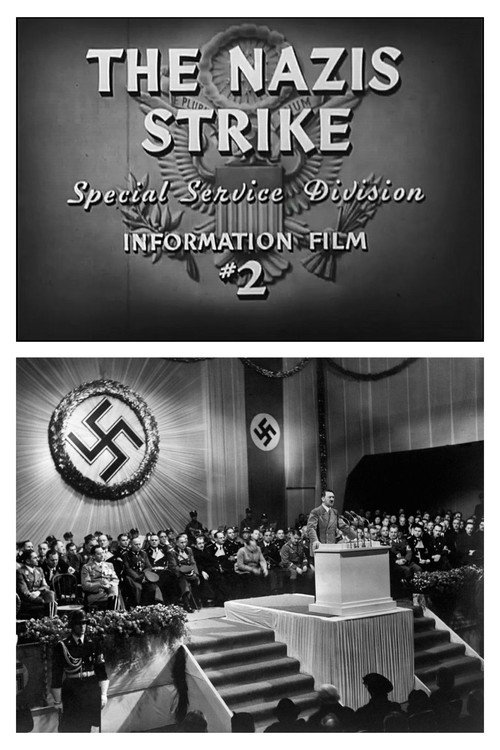
The second chapter of Frank Capra's "Why We Fight" series covers Adolf Hitler's plan for world conquest and Germany's march across Europe. From the annexation of Austria and Czechoslovakia through the invasion of Poland that triggered the British and French declarations of war, the film lays out the Nazi strategy of "softening up" future targets with political subversion before striking militarily. It uses captured German footage alongside Allied material. Made for the U.S. War Department, it was shown to troops heading overseas and then to the public. As a work of the U.S. federal government, the film is in the public domain.
War · Documentary
The Nazis Strike
1943 - War
War, Documentary
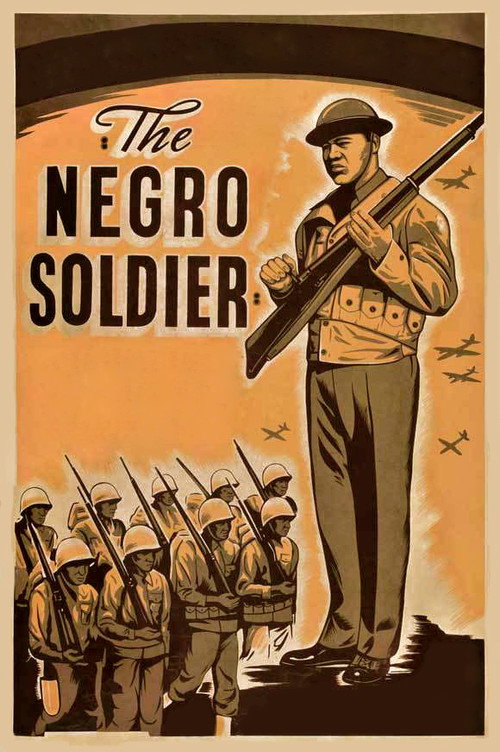
A U.S. Army documentary produced under Frank Capra's supervision and directed by Stuart Heisler, The Negro Soldier was a landmark in the portrayal of African Americans in the military. Framed as a sermon in a Black church, it traces the contributions of Black soldiers from the American Revolution through the Spanish-American War and into World War II, intercut with footage of training and combat. The film was made to recruit Black soldiers and to push back against segregation within the ranks, and it was required viewing for all U.S. Army troops. As a work of the U.S. federal government, the film is in the public domain.
War · Documentary
The Negro Soldier
1944 - War
Documentary, Short
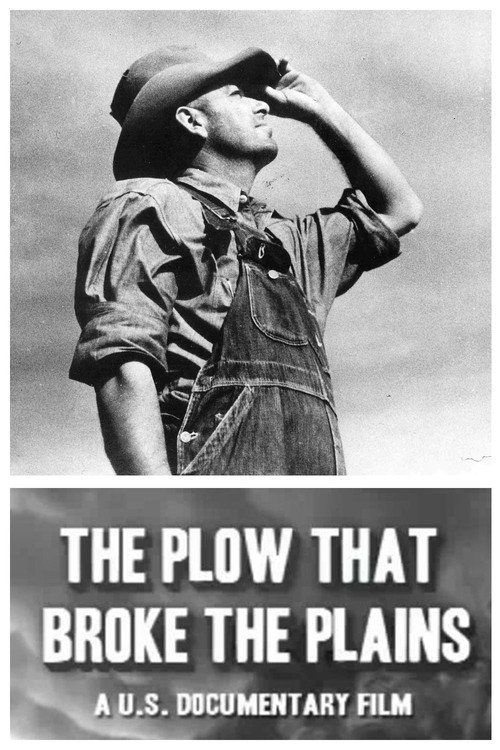
The first major documentary produced by the U.S. government, made by Pare Lorentz for the Resettlement Administration to explain the Dust Bowl. It traces how homesteaders broke the Great Plains' grass for wheat, how wartime demand and mechanized plowing stripped the land bare, and how drought turned the topsoil into black blizzards that buried farms. Virgil Thomson's score, built from American folk tunes, set a template for documentary music. Congress promptly killed the agency's film program, but the film proved government could make real cinema. As a work of the U.S. federal government, it is in the public domain.
Documentary · Short
The Plow That Broke the Plains
1936 - Documentary
Documentary, Short
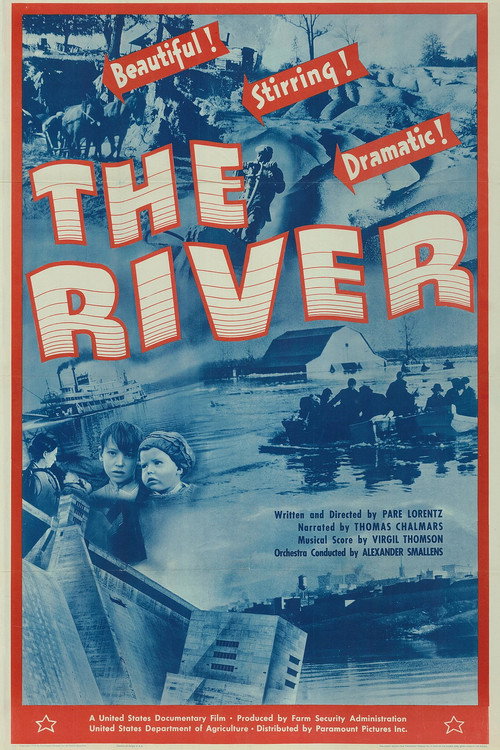
Pare Lorentz's companion piece to The Plow That Broke the Plains follows the Mississippi from its headwaters to the Gulf, indicting a century of logging, cotton farming, and flood-plain development that turned the river against the people who lived along it — and ending with the TVA's dams as the New Deal's answer. It was Oscar-nominated and, famously, beat Triumph of the Will at the Venice Film Festival. Virgil Thomson again supplied the score. As a work of the U.S. federal government, the film is in the public domain.
Documentary · Short
The River
1938 - Documentary
Educational, Documentary
An educational health film produced by Salem, Oregon dentist and filmmaker David Bennett Hill. The film advocates leading a healthy, productive life through good mental and physical habits: proper nutrition, exercise, fresh air, bodily cleanliness, dental care, and spiritual guidance through church attendance. Children are shown playing sports, swimming, and practicing good posture. The film also covers immunization, traffic safety, and the duties of the health department. Distributed through the Bell & Howell Filmosound Library, it is part of the Prelinger Archives at the Internet Archive.
Educational · Documentary
The Road to Health and Happiness
1937 - Educational
War, Documentary
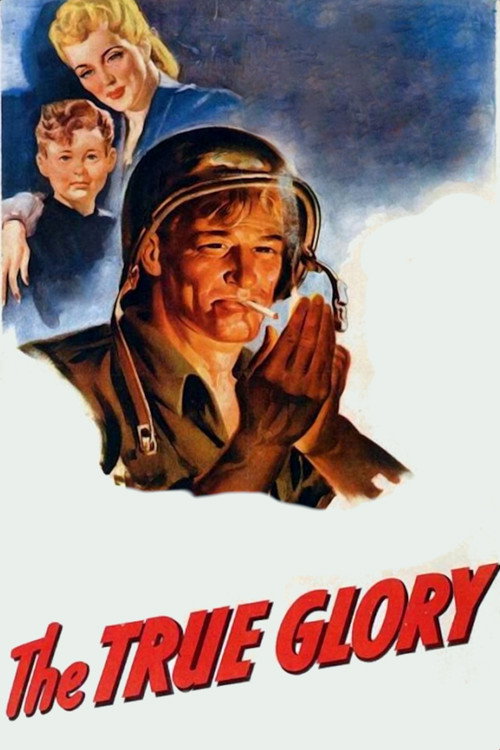
The official Anglo-American film of the European campaign, co-directed by Garson Kanin and Carol Reed from footage shot by hundreds of combat cameramen on both sides of the Atlantic. Its unusual device is the narration: instead of one authoritative voice, the film is told in the voices of ordinary soldiers, nurses, and liberated civilians, written by playwrights including Paddy Chayefsky. Eisenhower introduces it. It won the Academy Award for Best Documentary Feature. As a co-production of the U.S. Office of War Information and the British Ministry of Information, it is in the public domain.
War · Documentary
The True Glory
1945 - War
Documentary, War
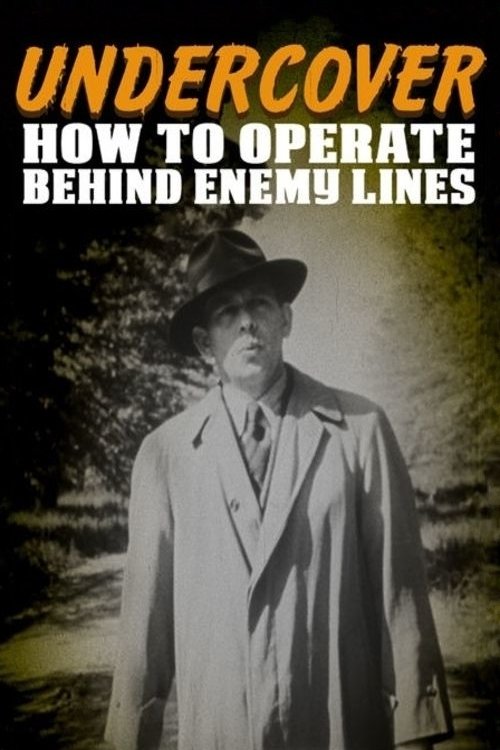
A 1943 Office of Strategic Services training film directed by and featuring John Ford, and the first film ever produced by an intelligence service to train its agents. Structured as a film within a film, it dramatizes the experiences of two OSS recruits: the careful, studious "Student Al" (Victor Varconi) and the arrogant, impulsive "Student Charlie." Through their parallel stories, the film teaches proper preparation, cover establishment, and techniques for blending into enemy culture behind enemy lines. Ford appears as "Col. J.P. Baldwin," an OSS officer — his only sound film acting role. The film was classified during the war and declassified afterward. As a U.S. government work, it is in the public domain.
Documentary · War
Undercover: How to Operate Behind Enemy Lines
1943 - Documentary
War, Documentary
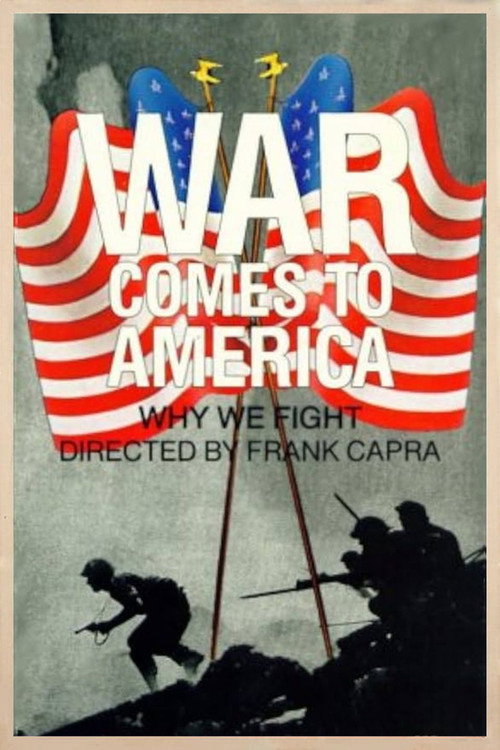
The seventh and final chapter of Frank Capra's "Why We Fight" series tells the story of America's slide into the war it had spent years trying to avoid. It traces the rise of isolationism and the German-American Bund, the growth of American industry and the draft as war grew inevitable, and the Japanese attack on Pearl Harbor that ended the argument. The film is both a defense of American values and an argument that those values could not survive a world ruled by the Axis. Made for the U.S. War Department. As a work of the U.S. federal government, the film is in the public domain.
War · Documentary
War Comes to America
1945 - War
War, Documentary
An Army Air Forces short about the Tuskegee Airmen, the first Black military pilots in American history, made by the First Motion Picture Unit and narrated by Captain Ronald Reagan — the future president's own unit produced the film. It follows Black cadets through flight training at Tuskegee and into combat over Europe with the 332nd Fighter Group, pushing back against the Army's own official skepticism that Black men could fly fighters. Short, pointed, and a remarkable artifact of what the wartime government chose to say on film. As a work of the U.S. federal government, it is in the public domain.
War · Documentary · Short
Wings for This Man
1945 - War
War, Documentary
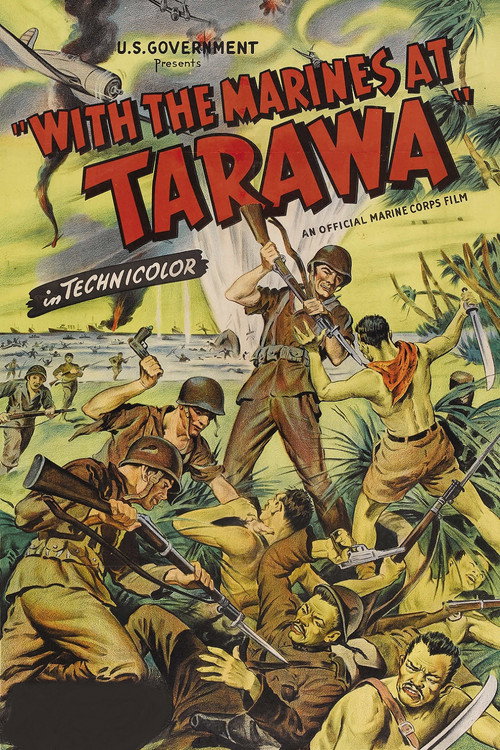
A short documentary about the U.S. Marine assault on the Japanese-held island of Tarawa in November 1943, directed by Louis Hayward, who served in the Marine Corps. Shot in full color with no actors, it shows the landing, the fight across the beach, the casualties, and the burial of the dead at sea. The footage was so graphic that Hollywood distributors refused to release it, and only President Roosevelt's personal approval sent it to theaters. The film was meant to show Americans at home that the war was not a parade of easy victories. It won the Academy Award for Best Documentary Short Subject. As a work of the U.S. federal government, the film is in the public domain.
War · Documentary
With the Marines at Tarawa
1944 - War
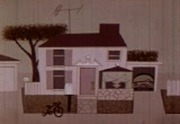
Animation, Documentary
A 1956 animated industrial short directed by Carl Urbano for John Sutherland Productions, made on commission for the New York Stock Exchange. Mr. Finchly has just received a sixty-dollar raise and wants to know the best way to invest it, prompting a brisk lesson in how everyday Americans can buy shares and put their money to work. One of the many glossy sponsored cartoons Sutherland's studio produced for corporate clients in the 1950s, it is a charming artifact of postwar consumer-capitalist optimism — and, like the rest of the studio's industrial output, it is in the public domain.
Animation · Documentary
Working Dollars
1956 - Animation