King Vidor
8 credits on HibingeTV
American film director, born in 1894. One of the major directors of the studio era, he made The Big Parade (1925), The Crowd (1928), and Hallelujah (1929), his first sound film. He worked across genres for forty years, with a recurring interest in ordinary people and the social forces pressing on them. He received an honorary Academy Award late in life.
Directed
Adventure, Romance
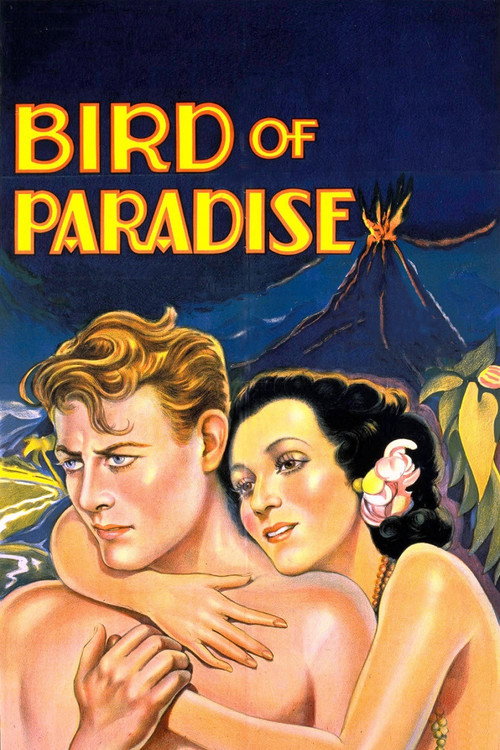
A young American sailor falls for a Polynesian princess on a South Seas island, ignoring warnings that she is destined to be sacrificed to a volcano god. Dolores del Río and Joel McCrea star in King Vidor's pre-Code romance, filmed on location in Hawaii. The film entered the public domain through non-renewal.
Adventure · Romance · Drama
Bird of Paradise
1932 - Adventure
Drama, Musical
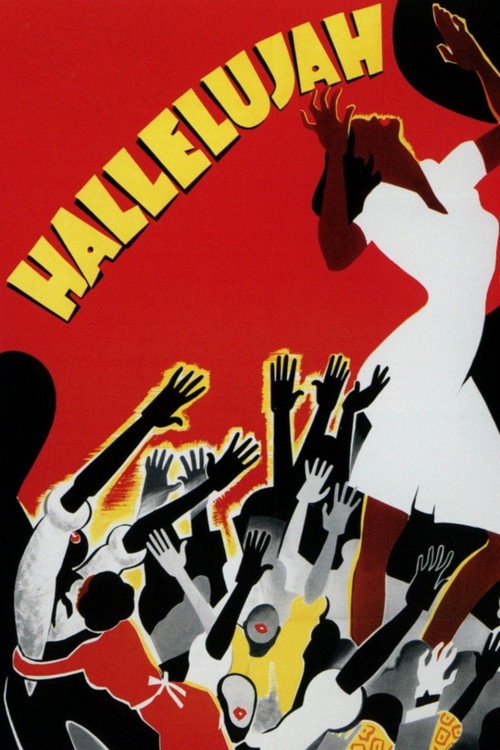
King Vidor's first sound film and one of the first studio features with an all-Black cast. Vidor, who had spent three years persuading MGM to back it, deferred his own salary to get the picture made. The story follows Zeke, a sharecropper who finds God, falls for the seductive Chloe, and is pulled between the pulpit and the cotton field. Shot partly on location in the South and the Mississippi Delta with a non-professional cast drawn from the communities it depicts, the film blends gospel music, melodrama, and location photography in a way no Hollywood film had before. Nina Mae McKinney, in her screen debut, became known as "the Black Garbo." The film's portrayals draw heavily on the stereotypes of their time, and it remains a complicated, landmark work in the history of American cinema. Published in 1929, it entered the public domain in the United States on January 1, 2025.
Drama · Musical
Hallelujah
1929 - Drama
Drama, Romance
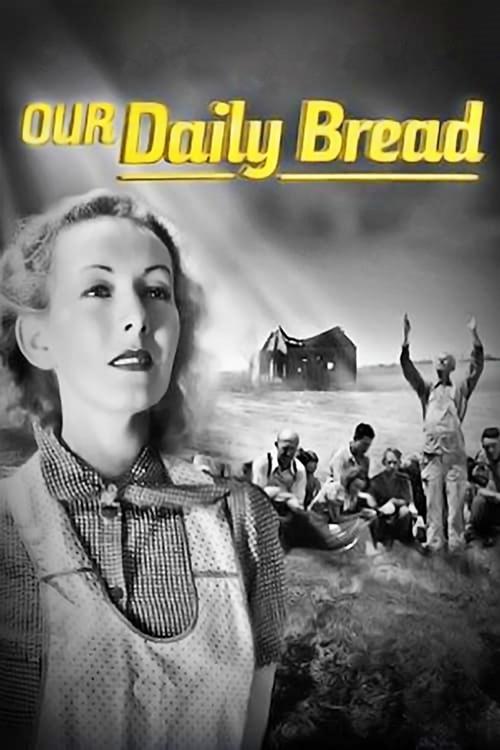
King Vidor self-financed this Depression-era drama as a spiritual sequel to *The Crowd*, again following an ordinary young couple — John and Mary Sims (Tom Keene and Karen Morley) — crushed by unemployment. Given a failing farm, they gather a community of displaced tradesmen and try to run it as a cooperative, pooling skills to bring in one last crop. The climax, in which the whole settlement digs a miles-long irrigation ditch in a single night to save the fields, is one of the great sequences of early American cinema — pure rhythmic montage. Made outside the studio system and released through United Artists, the film's copyright was never renewed. It is in the public domain in the United States.
Drama · Romance
Our Daily Bread
1934 - Drama
Comedy, Romance
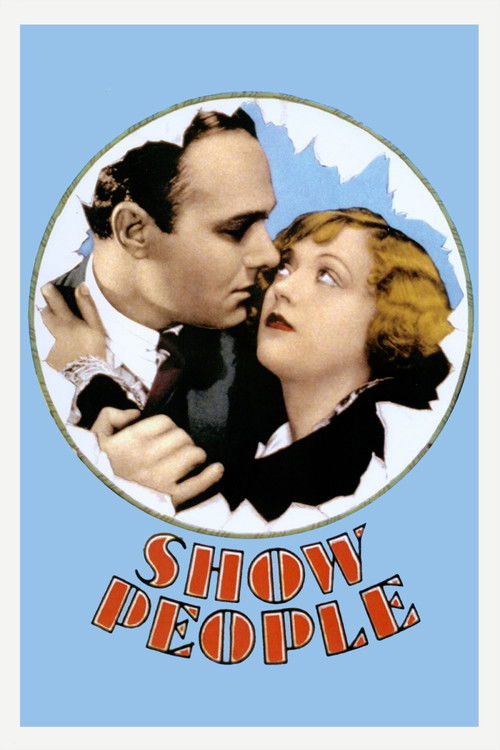
King Vidor's affectionate comedy about a small-town girl who comes to Hollywood to become a dramatic star and ends up a hit in slapstick instead. Marion Davies plays Peggy Pepper, and the role is a quiet argument for her real talent: she was a gifted comedienne whose reputation was buried under the myth that William Randolph Hearst's patronage was the only reason she worked. Vidor fills the film with cameos from real stars of the era, including Charlie Chaplin playing himself in a single scene, and stages gags that gently mock the machinery of stardom. The film was made at the very end of the silent era and is one of the best records of how a studio lot actually functioned. The 1928 film entered the United States public domain on January 1, 2024.
Comedy · Romance · Silent
Show People
1928 - Comedy
War, Drama
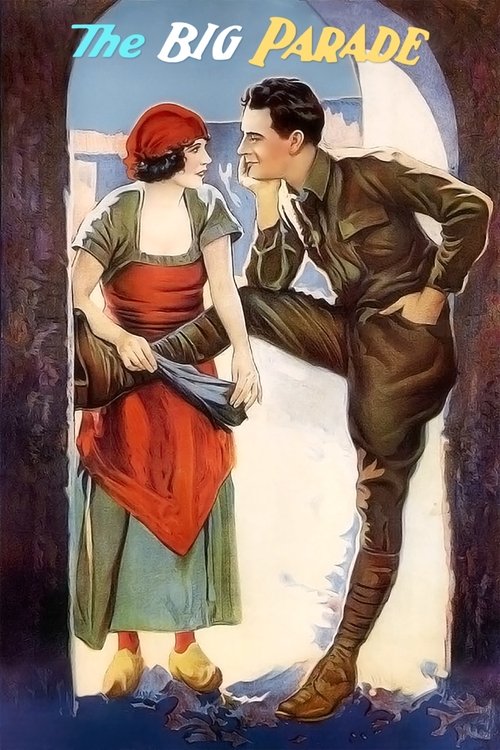
King Vidor's World War I epic follows a wealthy young idler who enlists on a whim, ships out to France, falls for a French farm girl, and is marched into the meat grinder of the Western Front. The film was a sensation: it became the highest-grossing silent film of the 1920s and turned John Gilbert into a major star. Vidor stages the battle sequences with a grim, ground-level realism rare for the period, and the famous march through a forest under shellfire is still studied. Beneath the spectacle is an antiwar streak that distinguishes it from the gung-ho pictures that came after. MGM made it on a large budget and a long schedule, and it paid for itself many times over. Published in 1925, it is in the public domain in the United States.
War · Drama · Romance · Silent
The Big Parade
1925 - War
Drama, Silent
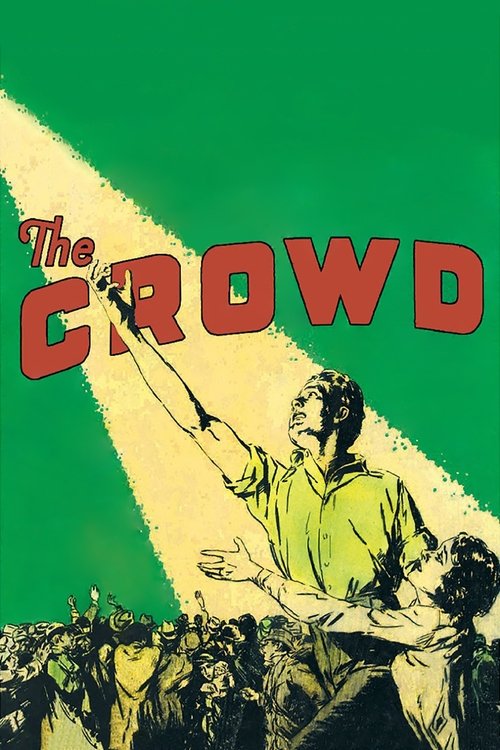
King Vidor's film about an ordinary man who believes he is meant to be somebody and discovers he is, in fact, nobody. John Sims grows up dreaming of greatness, marries, has children, and slowly drowns in the routine of office work and a marriage that curdles. Vidor opens with a montage of a boy's birth and the title "The crowd laughs with you always, but it will cry with you never," then follows John into a vast, fluorescent office floor that was built as a single set to dwarf him. The film was a departure from the glamour MGM usually sold, and Irving Thalberg reportedly backed it against his own instincts. It was not a hit, but its influence on social realism in American film is hard to overstate. The 1928 film entered the United States public domain on January 1, 2024.
Drama · Silent
The Crowd
1928 - Drama
Drama, Western
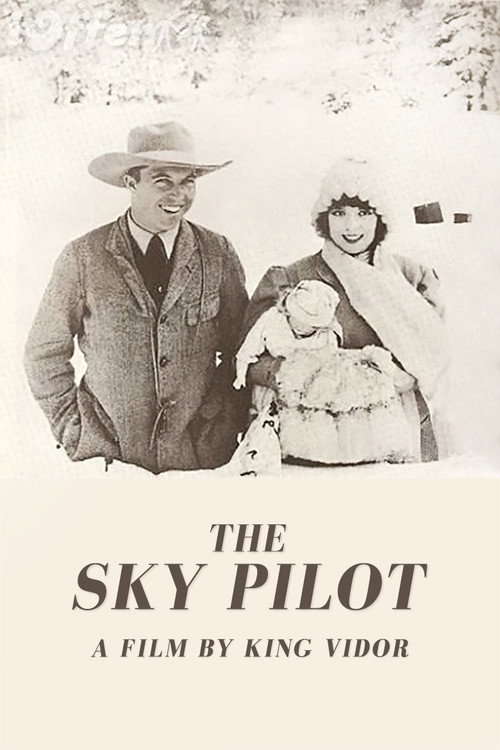
A King Vidor silent western based on Ralph Connor's novel, shot on location in the Sierra foothills. John Bowers plays a missionary preacher who arrives in a rough cowboy camp determined to build a church in the saloon, while Colleen Moore is the rancher's daughter injured in a cattle stampede whom he helps heal. Vidor packed the film with action, including a climactic stampede, and the production built its own "Vidor Village" set in the mountains. As a work published before 1930, it is in the public domain in the United States.
Drama · Western · Silent
The Sky Pilot
1921 - Drama