Walter Huston
15 credits on HibingeTV
Canadian-born American actor and the father of director John Huston. A character actor with a long career on stage and screen, he narrated several wartime documentaries, including Frank Capra's Prelude to War (1942) and John Huston's Let There Be Light (1946). He won an Academy Award for The Treasure of the Sierra Madre (1948).
Acted In
Biography, Drama
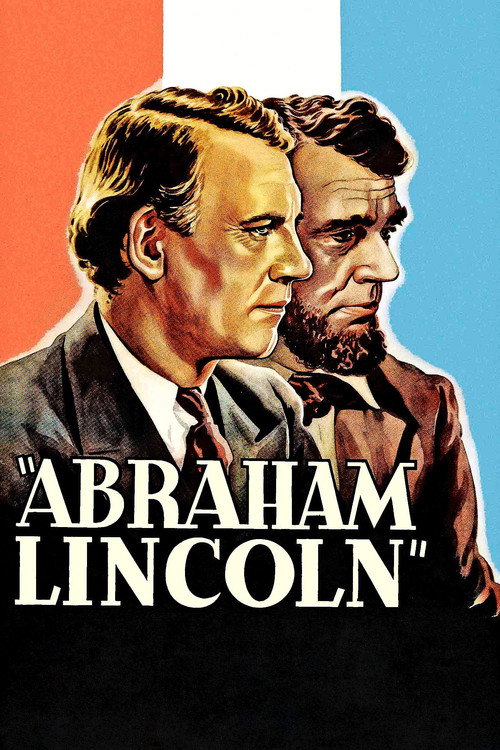
D.W. Griffith's first all-talking picture is a biographical portrait of Abraham Lincoln, from his youth as a rail-splitter and storekeeper in New Salem through his romance with Ann Rutledge, his marriage to Mary Todd, his legal career, his election to the presidency, and his leadership during the Civil War, ending with his assassination at Ford's Theatre. Walter Huston plays Lincoln with a plainspoken gravity, and Una Merkel is Ann Rutledge. The film, scripted in part by Stephen Vincent Benét, was Griffith's penultimate film and one of his last major productions. It was not a commercial success on release but has been reassessed as a late work of a foundational director. Published in 1930, it entered the public domain in the United States on January 1, 2026.
Biography · Drama · History
Abraham Lincoln
1930 - as Abraham Lincoln
Crime, Mystery
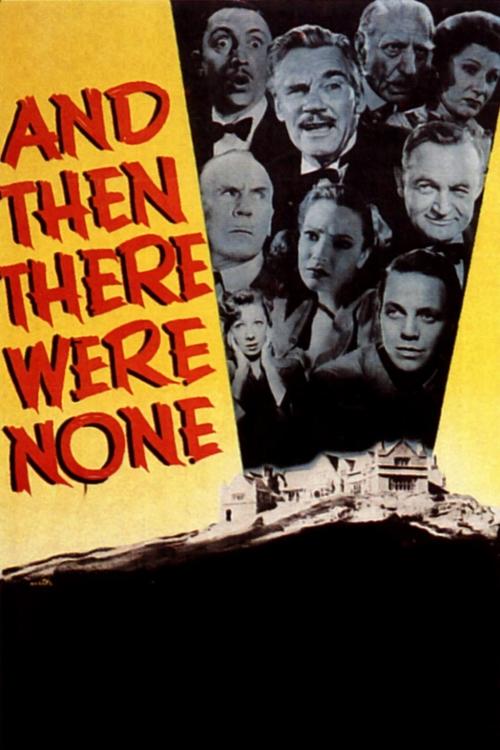
Ten strangers lured to a remote island mansion by the unseen "Mr. Owen" are accused by a gramophone recording of crimes the law couldn't touch — then begin dying one by one, following the nursery rhyme tacked above the mantel. René Clair's adaptation of Agatha Christie's novel keeps the jagged suspense while letting an impeccable ensemble — Barry Fitzgerald, Walter Huston, Louis Hayward, Roland Young, June Duprez — play it with dry wit. Still the benchmark screen version of the most-read mystery novel ever written. The film entered the public domain through non-renewal.
Crime · Mystery · Drama
And Then There Were None
1945 - as Edward Armstrong
War, Documentary
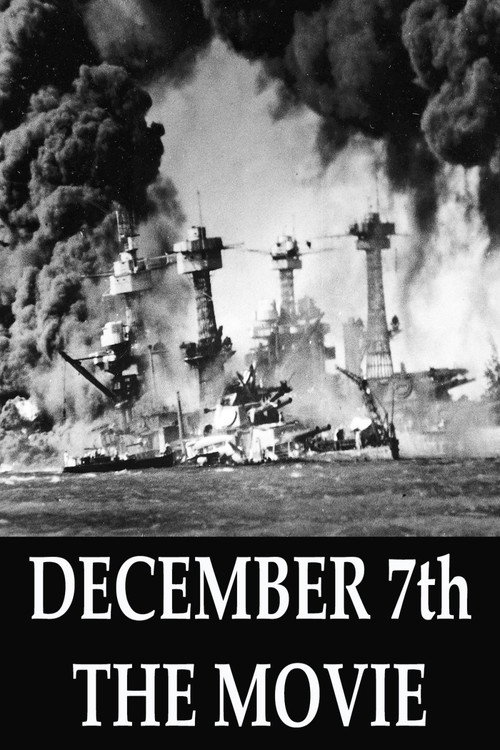
John Ford and cinematographer Gregg Toland made this film about the attack on Pearl Harbor for the U.S. Navy. The original cut ran 82 minutes and asked uncomfortable questions about American readiness and the treatment of Japanese Americans; the Navy shelved it and Ford cut it to 32 minutes, concentrating on the battle and the recovery. The shorter version won the Academy Award for Best Documentary Short Subject in 1944. Toland's staged recreation of the attack was so convincing that feature films borrowed footage from it for decades. As a work of the U.S. federal government, the film is in the public domain.
War · Documentary
December 7th
1943 - as Uncle Sam
War, Documentary
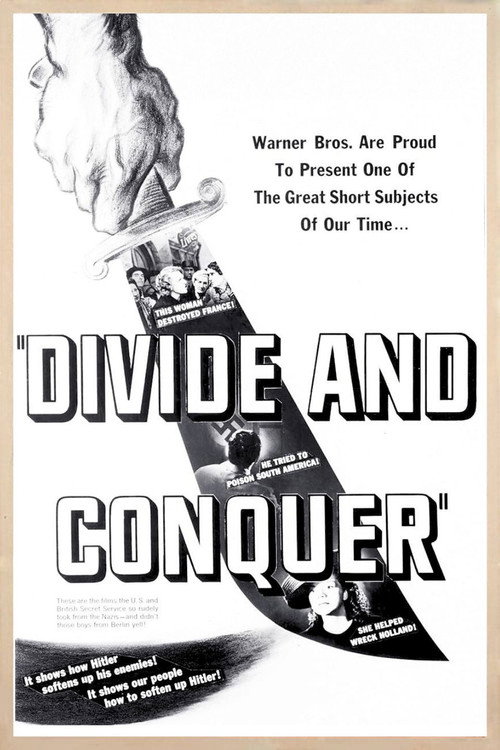
The third chapter of Frank Capra's "Why We Fight" series picks up after Britain and France declare war on Germany. It follows the Nazi capture of Denmark and Norway, the conquest of Luxembourg, Belgium, and the Netherlands, and the collapse of France in just over a month. The film pays blunt attention to Nazi atrocities, including the bombing of Rotterdam, and explains the German tactic of flooding roads with refugees to slow Allied armies. Made for the U.S. War Department, it won the Academy Award for Best Documentary. As a work of the U.S. federal government, the film is in the public domain.
War · Documentary
Divide and Conquer
1943 - as Narrator
War, Documentary
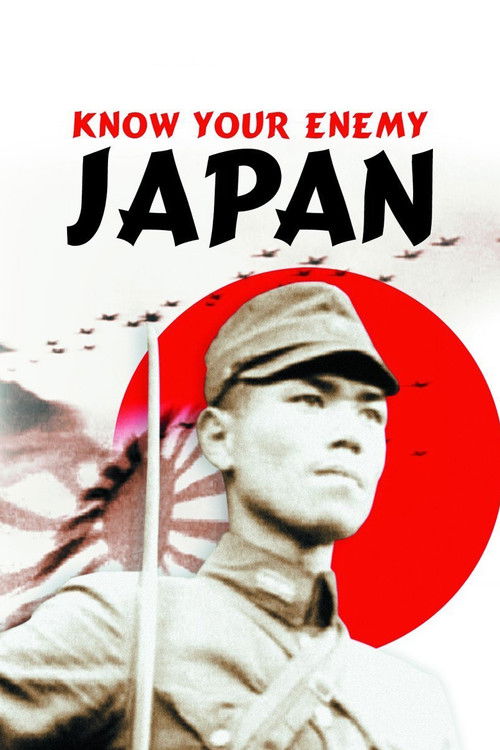
Frank Capra's companion piece to the "Why We Fight" series, produced for the War Department to orient troops headed for the Pacific. Joris Ivens began the film; Capra finished it, building a portrait of Japanese history and militarism out of captured Japanese footage — including material taken from Japan's own propaganda — before the surrender made it obsolete. It was withheld until 1977, and its portrayal of an entire people is both historically revealing and deeply of its moment. As a work of the U.S. federal government, the film is in the public domain.
War · Documentary
Know Your Enemy: Japan
1945 - as Narrator
War, Documentary
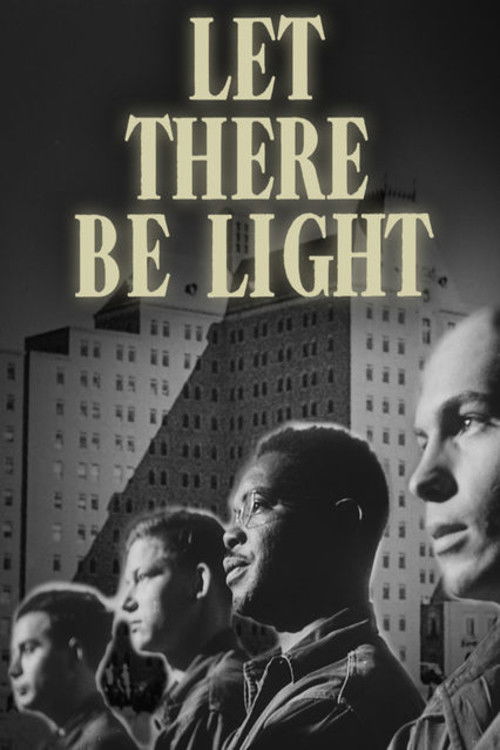
John Huston's last war documentary and the most controversial: filmed inside a military psychiatric hospital, it follows soldiers with what the Army called "psychoneurotic" conditions — today it would be PTSD — through treatment and back toward ordinary life. Walter Huston narrates. The War Department suppressed it for more than thirty years, reportedly because it showed damaged veterans too honestly, and it did not reach the public until 1980. It is now in the National Film Registry. As a work of the U.S. federal government, the film is in the public domain.
War · Documentary
Let There Be Light
1946 - as Narrator
War, Documentary
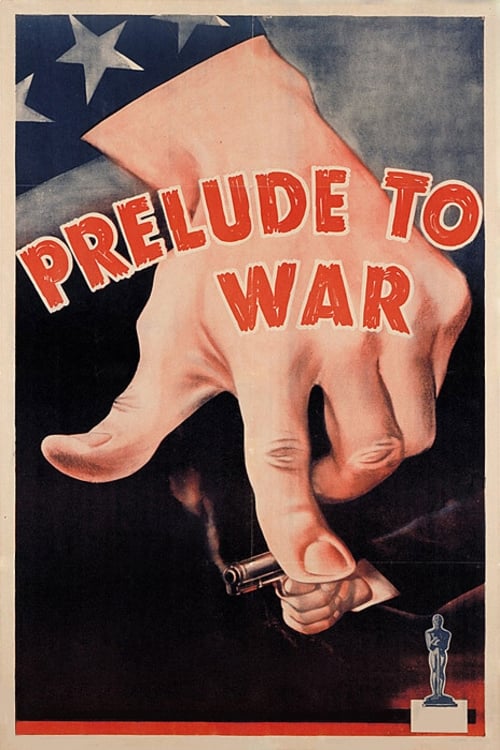
The first chapter of Frank Capra's "Why We Fight" series, made for the U.S. War Department to explain to soldiers and the public why the country was at war. The film frames World War II as a struggle between the "slave world" of the Axis dictatorships and the "free world" of American liberty, tracing the rise of Mussolini, Hitler, and Japanese militarism through archival footage and animated maps. Walter Huston narrates. The series was supervised by Capra, then a major in the Army Signal Corps, who drew on captured enemy footage and Hollywood editing techniques to make propaganda that played like a feature film. As a work of the U.S. federal government, the film is in the public domain.
War · Documentary
Prelude to War
1942 - as Narrator
Drama
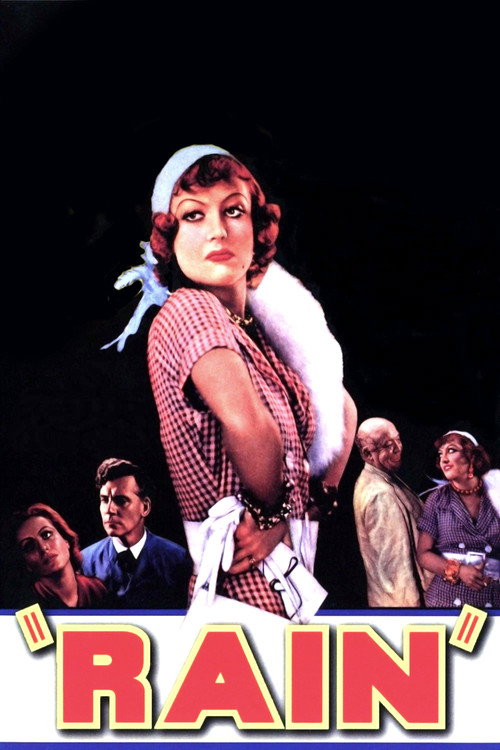
A hard-living prostitute stranded by a quarantine on a South Seas island clashes with a self-righteous missionary determined to reform her, with tragic consequences for both. Joan Crawford and Walter Huston star in Lewis Milestone's adaptation of Somerset Maugham's story. The film entered the public domain through non-renewal.
Drama
Rain
1932 - as Alfred Davidson
War, Documentary
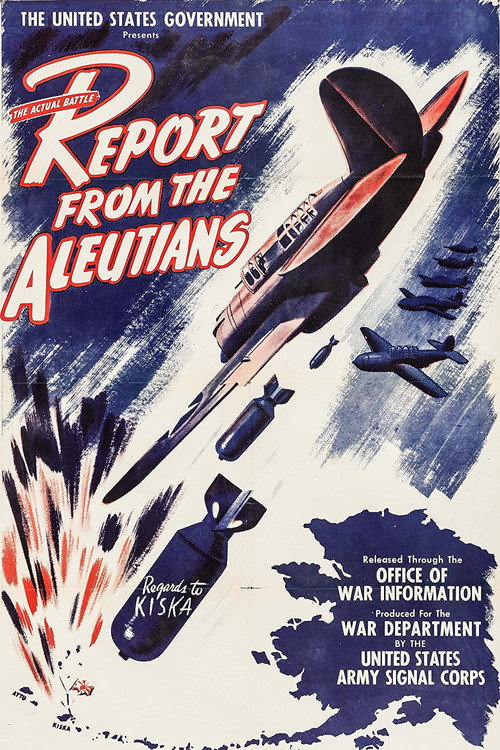
The first of John Huston's three war documentaries, made while he served as a captain in the U.S. Army Signal Corps. The film follows the daily life of American soldiers stationed on the Aleutian island of Adak, a cold and barren outpost of immense strategic value in the Pacific, and culminates in a bombing run over Japanese-occupied Kiska that Huston filmed from the plane himself. He narrates with his father, Walter Huston. It was nominated for the Academy Award for Best Documentary. As a work of the U.S. federal government, the film is in the public domain.
War · Documentary
Report from the Aleutians
1943 - as Narrator
War, Documentary
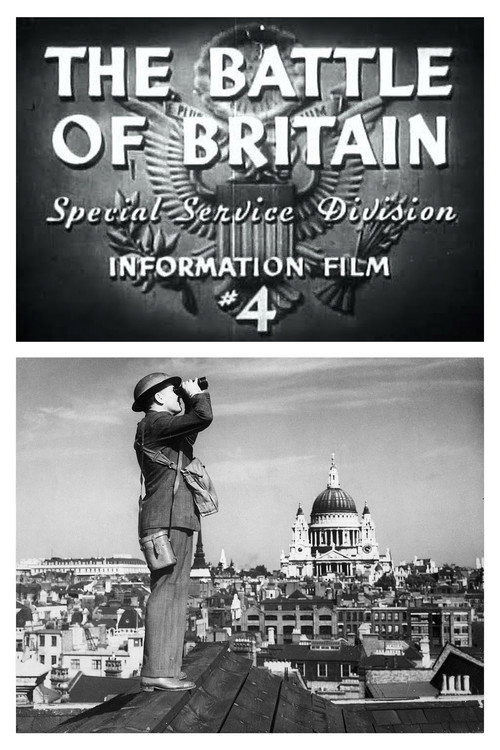
The fourth chapter of Frank Capra's "Why We Fight" series is devoted to the British stand against Germany in 1940, from the fall of France through the Luftwaffe's campaign to destroy the Royal Air Force and the Blitz that followed. The film argues that the Royal Air Force's refusal to break saved Britain and, by extension, the possibility of a liberated Europe. It blends British combat footage with captured German material and animated maps. Made for the U.S. War Department. As a work of the U.S. federal government, the film is in the public domain.
War · Documentary
The Battle of Britain
1943 - as Narrator
War, Documentary
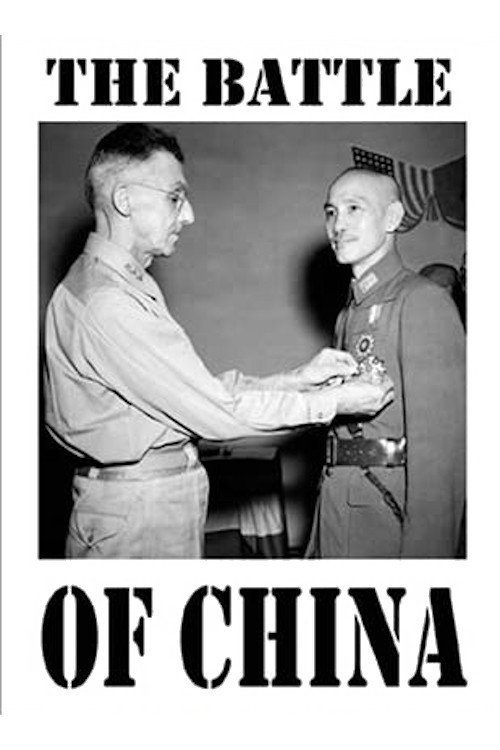
The sixth chapter of Frank Capra's "Why We Fight" series explains Japan's long ambition to conquer China. It covers the invasion of Manchuria, the fall of Nanking, and the Chinese resistance that unified a fractured country against a foreign enemy. The film highlights the Burma Road, the seven-hundred-mile supply route the Allies built over the mountains to keep the Chinese army fed and armed, and argues that Japan's frustration in China drove it toward the Pacific and the United States. Made for the U.S. War Department. As a work of the U.S. federal government, the film is in the public domain.
War · Documentary
The Battle of China
1944 - as Abraham Lincoln
War, Documentary
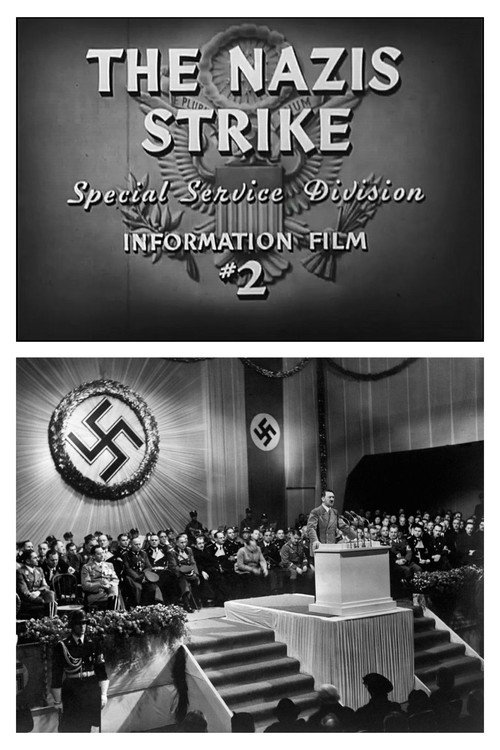
The second chapter of Frank Capra's "Why We Fight" series covers Adolf Hitler's plan for world conquest and Germany's march across Europe. From the annexation of Austria and Czechoslovakia through the invasion of Poland that triggered the British and French declarations of war, the film lays out the Nazi strategy of "softening up" future targets with political subversion before striking militarily. It uses captured German footage alongside Allied material. Made for the U.S. War Department, it was shown to troops heading overseas and then to the public. As a work of the U.S. federal government, the film is in the public domain.
War · Documentary
The Nazis Strike
1943 - as Narrator
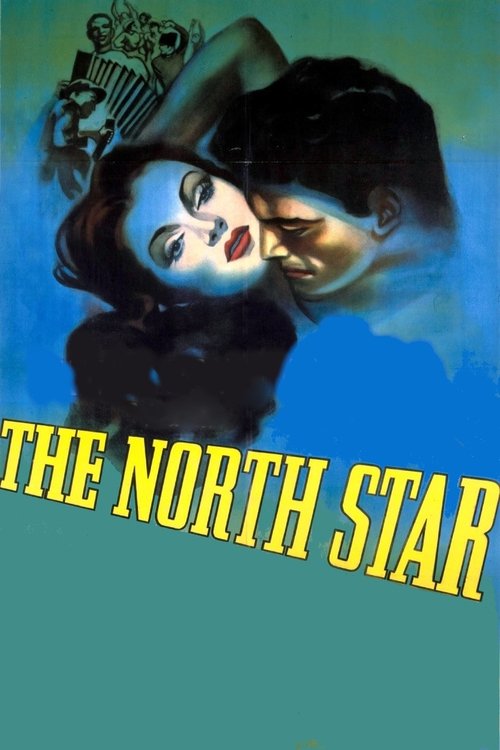
Drama, War
Five young friends in a Ukrainian village set out on a walking trip to Kiev in June 1941 — and march straight into the first wave of the Nazi invasion. Dana Andrews, Anne Baxter, Walter Huston, and Walter Brennan star in Lewis Milestone's wartime drama from a Lillian Hellman screenplay, produced by Samuel Goldwyn with a score by Aaron Copland. A prestige Hollywood plea for the Soviet ally, released through RKO. It is in the public domain after its copyright was not renewed.
Drama · War
The North Star
1943 - as Dr. Kurin
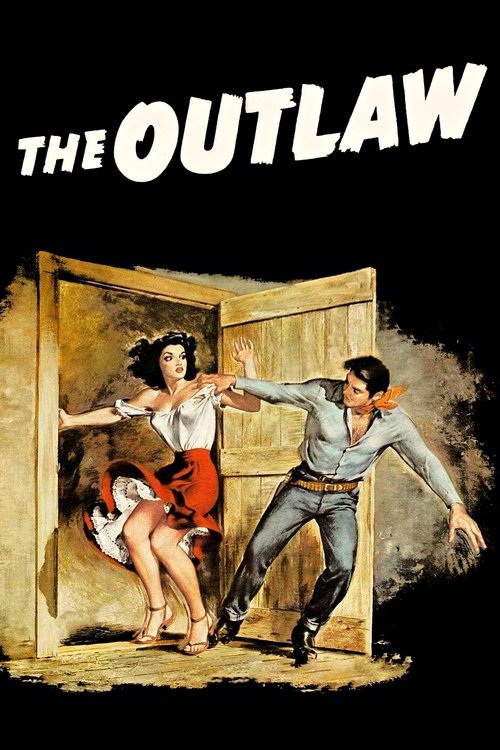
Western, Drama
A fictionalized western in which Billy the Kid, Doc Holliday, and Pat Garrett circle one another in a love-and-rivalry triangle over a half-Mexican woman. Howard Hughes produced and directed, famously clashing with the Production Code over Jane Russell's presence; the film's release was delayed for years. The film entered the public domain through non-renewal.
Western · Drama
The Outlaw
1943 - as Doc Holliday
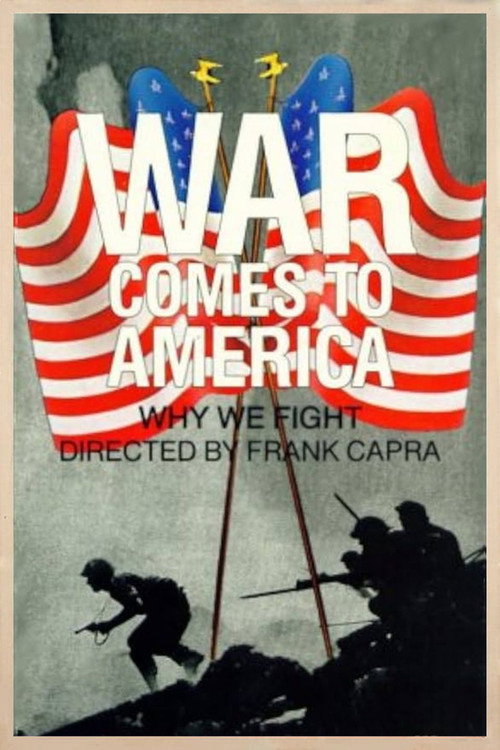
War, Documentary
The seventh and final chapter of Frank Capra's "Why We Fight" series tells the story of America's slide into the war it had spent years trying to avoid. It traces the rise of isolationism and the German-American Bund, the growth of American industry and the draft as war grew inevitable, and the Japanese attack on Pearl Harbor that ended the argument. The film is both a defense of American values and an argument that those values could not survive a world ruled by the Axis. Made for the U.S. War Department. As a work of the U.S. federal government, the film is in the public domain.
War · Documentary
War Comes to America
1945 - as Narrator