Rudolph Maté
2 credits on HibingeTV
Polish-born cinematographer and film director. Born in 1898, Maté was a celebrated cinematographer in Europe and Hollywood, working with directors including Carl Theodor Dreyer and René Clair, before moving into directing. As a director he is best known for the film noir D.O.A. (1950) and the historical epic The 300 Spartans (1962). He died in 1964.
Directed
Noir, Thriller
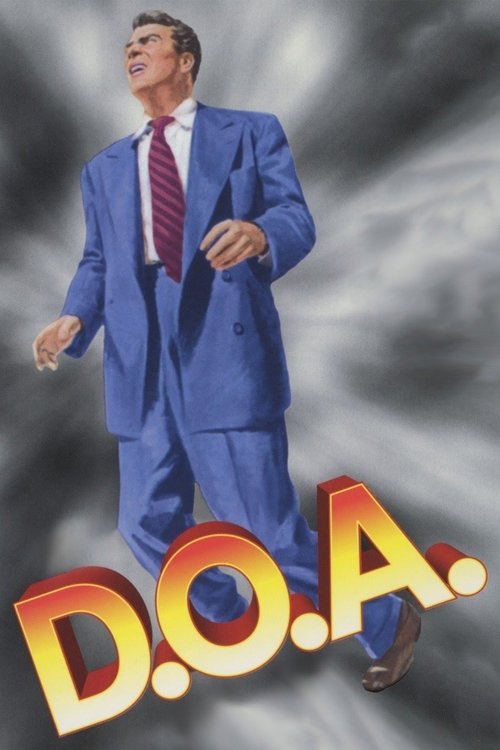
Frank Bigelow walks into a police station and says he wants to report a murder: his own. The film then rewinds to show how he got there. Frank, a small-town accountant, is in San Francisco for a few days and is slipped a luminous poison in a drink at a bar. A doctor tells him he has only days to live and no cure exists, and Frank spends his remaining hours trying to find out who killed him and why. The premise, a man investigating his own murder, is one of the tightest hooks in film noir. Rudolph Maté had been a cinematographer before he directed, and the film has a clean, hard look. The story ties Frank's death to a routine bill of sale he notarized, a small thing with large consequences. The film entered the public domain due to non-renewal of its copyright.
Noir · Thriller
D.O.A.
1950 - Noir
Crime, Mystery
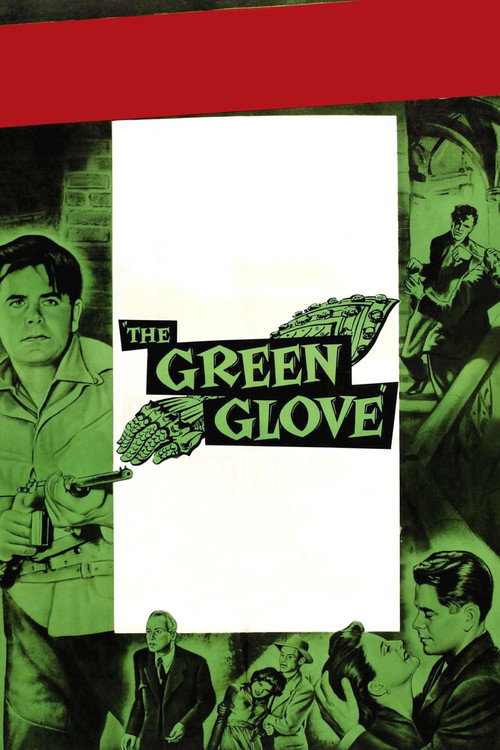
A 1952 American-French film noir directed by Rudolph Maté, starring Glenn Ford as Michael Blake, a World War II veteran who returns to France to recover a priceless jeweled gauntlet — the "green glove" — he found during the Normandy invasion and hid in a village church. The treasure is also sought by suave art dealer Count Paul Rona (George Macready), whose men are willing to kill for it, while Blake is aided by a Parisian tour guide (Geraldine Brooks) and a parish priest (Cedric Hardwicke). Shot on location in postwar Paris and the south of France, the film mixes heist thriller and travelogue. Also known as The White Road and Gauntlet. It is in the public domain.
Crime · Mystery
The Green Glove
1952 - Crime