René Clair
3 credits on HibingeTV
French film director, born in 1898. One of the major figures of French cinema, he began as a journalist and actor before directing silent films. His early sound work, beginning with Under the Roofs of Paris (1930) and À nous la liberté (1931), showed how sound could be used poetically rather than naturalistically. He worked in Britain and Hollywood during the war, then returned to France. He was elected to the Académie française in 1960. He died in 1981.
Directed
Crime, Mystery
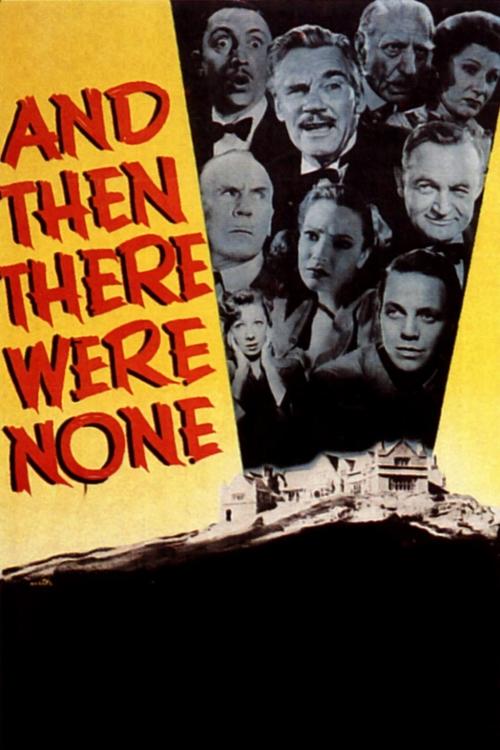
Ten strangers lured to a remote island mansion by the unseen "Mr. Owen" are accused by a gramophone recording of crimes the law couldn't touch — then begin dying one by one, following the nursery rhyme tacked above the mantel. René Clair's adaptation of Agatha Christie's novel keeps the jagged suspense while letting an impeccable ensemble — Barry Fitzgerald, Walter Huston, Louis Hayward, Roland Young, June Duprez — play it with dry wit. Still the benchmark screen version of the most-read mystery novel ever written. The film entered the public domain through non-renewal.
Crime · Mystery · Drama
And Then There Were None
1945 - Crime
Drama, Comedy
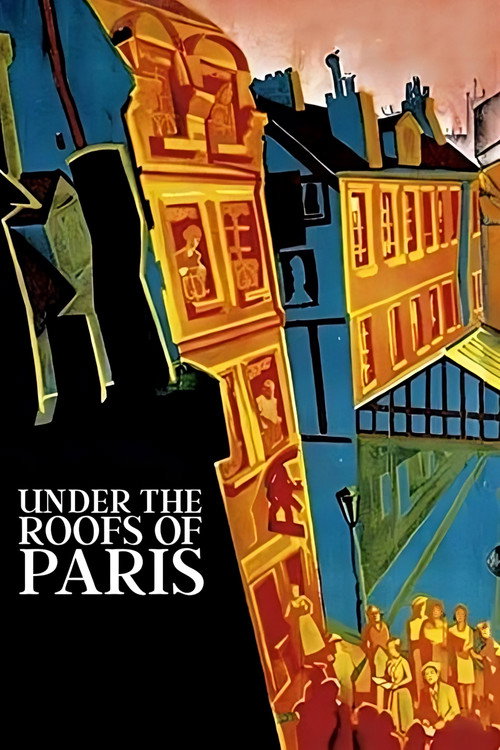
René Clair's first sound film and the first French production of the sound era to find an international audience. The film follows a street singer, Albert, and his rival for the affections of a Romanian woman named Pola, through the tenements and alleys of a working-class Paris neighborhood. Clair used sound sparingly, letting long stretches play silent and bringing in music and noise at moments that heighten the image rather than replace it. The opening crane shot down from the rooftops to the street singer, with the title song swelling on the soundtrack, is one of the great entrances of early sound cinema. The film is a defense of silent-film technique at the moment the medium was turning to talk. Published in 1930, it entered the public domain in the United States on January 1, 2026.
Drama · Comedy · Musical · Foreign
Under the Roofs of Paris
1930 - Drama