Irving Thalberg
5 credits on HibingeTV
American film producer, born in 1899. As head of production at Universal and then Metro-Goldwyn-Mayer, he was the model of the modern studio producer, supervising every stage of a film's development. At MGM he oversaw The Big Parade (1925), Flesh and the Devil (1926), The Broadway Melody (1929), Grand Hotel (1932), and Mutiny on the Bounty (1935). His insistence on quality and story polish shaped the studio system at its peak. He died in 1936 at the age of 37, and the Academy's Irving G. Thalberg Memorial Award is named for him.
Produced
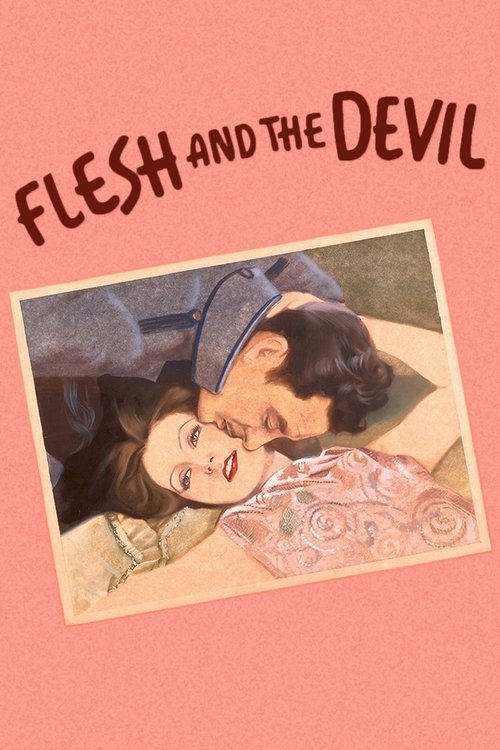
Romance, Drama
Two childhood friends, Leo and Ulrich, return from military service and fall for the same alluring woman, Felicitas, with destructive consequences. Greta Garbo and John Gilbert's on-screen chemistry was matched by a real-life romance that began during filming, and the picture made them one of Hollywood's first great celebrity couples. Clarence Brown directs with a fluid, intimate camera that was advanced for its time, and the film's sensual love scenes pushed the boundaries of what censorship would allow. Based on Hermann Sudermann's novel The Undying Past, the film was a sensation at New York's Capitol Theatre, where it ran longer than any picture before it. It was selected for the National Film Registry in 2006. The film entered the public domain in the United States in 2022.
Romance · Drama · Silent
Flesh and the Devil
1926 - Romance
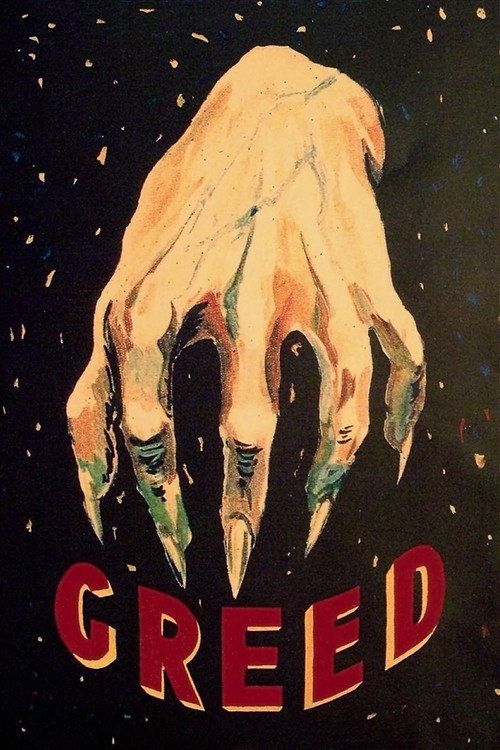
Drama, Silent
Erich von Stroheim's adaptation of Frank Norris's novel McTeague follows a gentle San Francisco dentist who marries the woman his best friend courted, and watches their life curdle over a lottery jackpot she hoards while he drinks. Von Stroheim shot a film that reportedly ran over nine hours; MGM cut it to roughly two, and the excised footage is believed lost. What survives is still one of the most celebrated silent films ever made, famous for its naturalistic location shooting in San Francisco and Death Valley and for ZaSu Pitts's harrowing portrait of avarice. The final crawl across the baking desert, with the two survivors handcuffed to a corpse, is one of the great endings in cinema. The film was a financial failure on release and is now regarded as a high-water mark of American silent drama. The film entered the public domain in the United States in 2020.
Drama · Silent
Greed
1924 - Drama
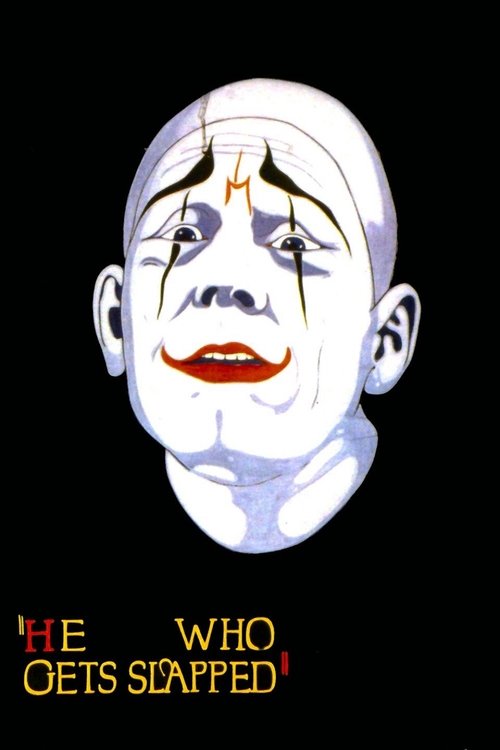
Drama, Silent
The first production to begin filming at the newly formed MGM, directed by the Swedish filmmaker Victor Sjostrom from Leonid Andreyev's play. Lon Chaney plays a scientist humiliated when his patron steals his wife and his work; he flees to a circus and reinvents himself as a clown whose act consists of being slapped by the audience, turning private shame into public spectacle. Chaney's performance is a study in dignified suffering, and the film gave early prominent roles to Norma Shearer and John Gilbert, both soon to be MGM stars. It was also the first film to feature Leo the Lion as the MGM logo. The Library of Congress added it to the National Film Registry in 2017. The film entered the public domain in the United States in 2020.
Drama · Silent
He Who Gets Slapped
1924 - Drama
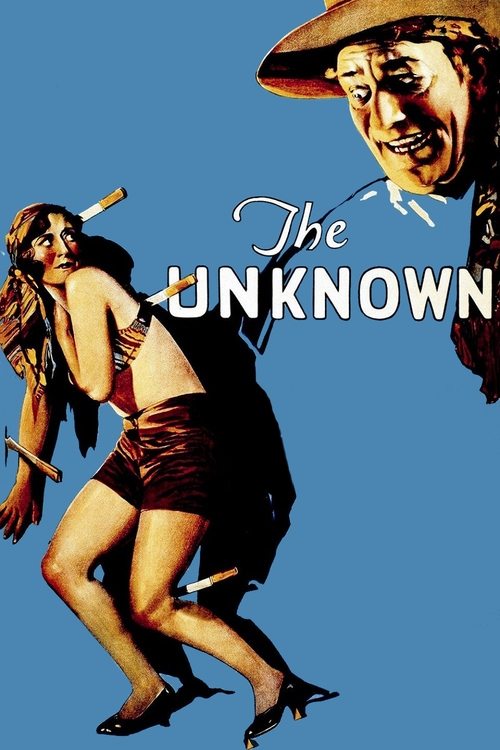
Horror, Thriller
A circus knife thrower known as "Alonzo the Armless" performs with his feet and falls for the carnival girl Nanon, who cannot bear to be touched by a man. What no one knows is that Alonzo's arms are strapped to his body to hide a double thumb that marks him as a criminal on the run. When Nanon finally overcomes her fear and turns to another man, Alonzo takes a terrible step to become what he has pretended to be. Lon Chaney gives one of his most disturbing performances, and a young Joan Crawford is the love interest in her first major role. Tod Browning, who would go on to make Freaks and Dracula, sets the whole story in a circus of grotesques. The film was considered lost until a print turned up in 1968. It entered the public domain in the United States in 2023.
Horror · Thriller · Silent
The Unknown
1927 - Horror
Drama, Western
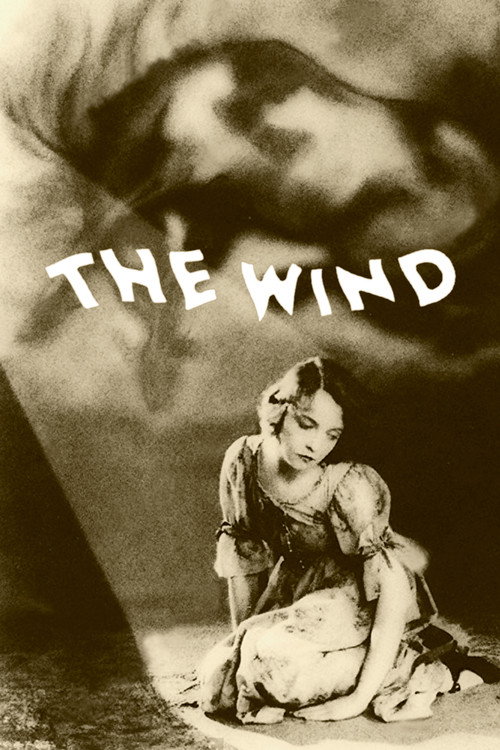
A young woman from Virginia moves to her cousin's ranch on the western prairie, where the constant wind drives her to the edge of madness. Lillian Gish conceived the project herself, chose the novel, hired her leading man Lars Hanson, and assigned Victor Sjostrom (credited as Victor Seastrom) to direct, reuniting the team from The Scarlet Letter. The film was shot in the Mojave Desert with wind machines blasting the cast for days, and Gish's performance in the climactic sandstorm is one of the most physically committed in silent cinema. MGM forced a more hopeful ending than the novel's, but the film's power is in the imagery of a woman swallowed by an empty landscape. The Wind was selected for the National Film Registry in 1993. The film entered the public domain in the United States in 2024.
Drama · Western · Silent
The Wind
1928 - Drama