George O'Brien
5 credits on HibingeTV
American film actor, a leading man of the silent and early sound era. Born in 1899, he was a champion boxer and decorated Marine before becoming a star in Westerns. F.W. Murnau cast him as The Man in Sunrise (1927), perhaps his most famous role, where his physical intensity anchored the film's emotional extremes. He remained a popular Western star into the sound era before rejoining the military in World War II.
Acted In
Drama, Romance
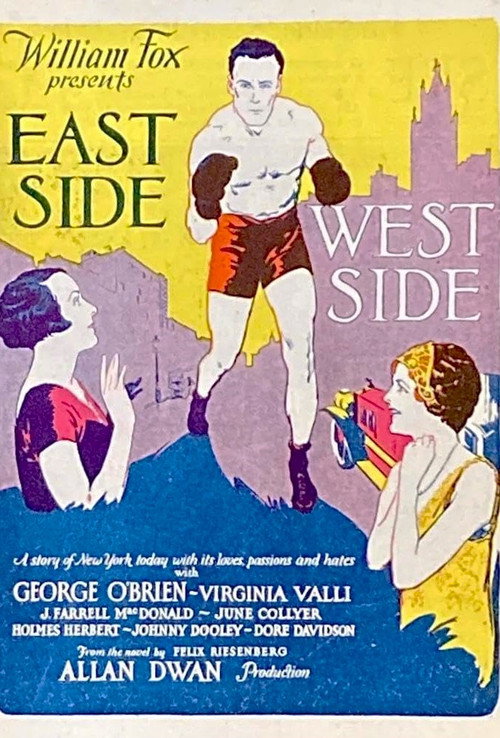
Directed by Allan Dwan and based on Felix Riesenberg's 1927 novel, this silent drama was shot extensively on location in New York City, from the Bowery to Fifth Avenue to Harlem. George O'Brien stars as a man who rises from the Lower East Side slums to the world of high society, with Virginia Valli as the woman he loves and June Collyer as the socialite who comes between them. The film culminates in a spectacular maritime disaster sequence loosely inspired by the sinking of the RMS Titanic. O'Brien, fresh from his lead in Murnau's *Sunrise* earlier that same year, anchors the production with his naturalistic presence. As a work published before 1930, the film is in the public domain in the United States.
Drama · Romance · Silent
East Side, West Side
1927 - as Dave
Drama, Epic
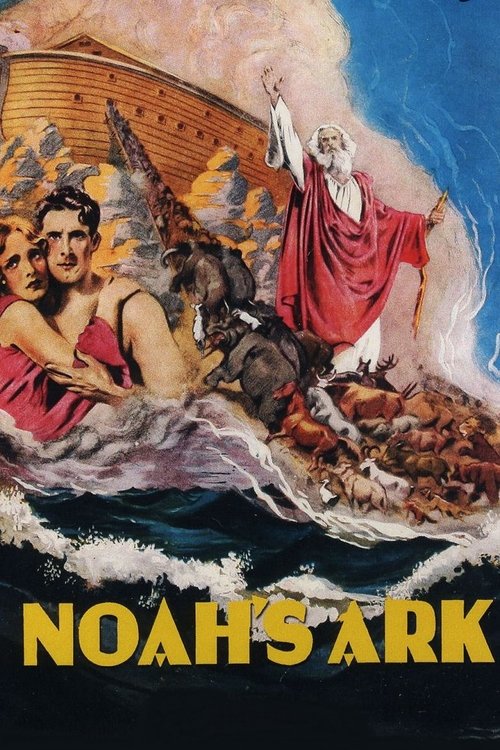
A modern love story and the biblical tale of Noah and the Flood run in parallel, building to a spectacular deluge that swept extras to their injuries and helped end silent-era recklessness. Dolores Costello and George O'Brien star in Michael Curtiz's part-sound Warners epic. The film entered the public domain through non-renewal.
Drama · Epic
Noah's Ark
1928 - as Travis
Drama, Silent
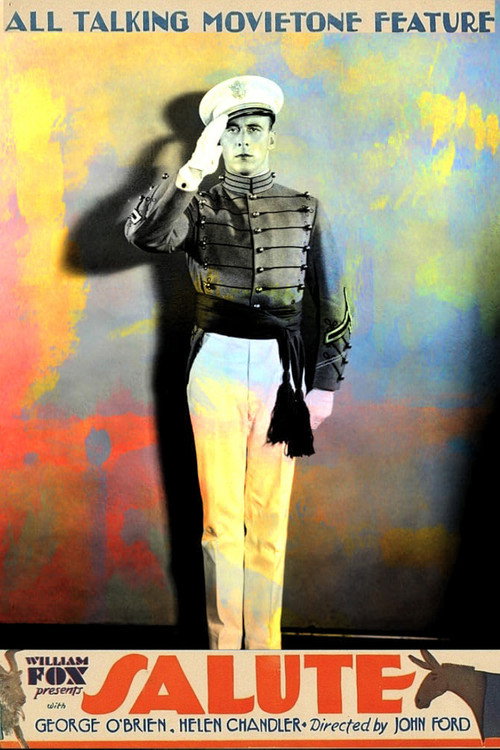
John Ford's Salute is a military drama set at the United States Naval Academy in Annapolis, where two brothers — one a West Point cadet, the other a Navy midshipman — find themselves on opposite sides during the annual Army-Navy football game. George O'Brien stars as the older brother, with Helen Chandler as the love interest. The film features early sound sequences and was made during the transition from silent to sound cinema. A young John Wayne, then a prop man and extra at Fox, served as an assistant on the production. As a work published before 1930, the film is in the public domain in the United States.
Drama · Silent · War
Salute
1929 - as John Randall
Romance, Drama
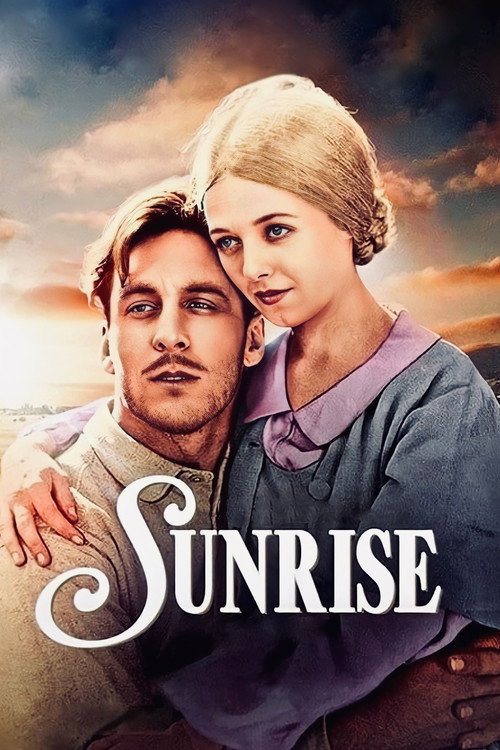
F.W. Murnau's first American film and one of the high points of silent cinema. A farmer is lured by a woman from the city into a plan to drown his wife and run away with her; the wife escapes, the husband is consumed by guilt, and the two travel by tram to the city, where their marriage is slowly, tenderly rebuilt. The story is simple, almost a fable, but Murnau tells it with layered dissolves, forced perspective, and tracking shots that move through spaces as if the camera were breathing. Charles Rosher and Karl Struss shared the first ever Academy Award for cinematography, and the film won the only Oscar ever given for "Unique and Artistic Picture." Janet Gaynor's performance is the quiet center of the film. Its copyright was renewed in 1954, and it entered the public domain on January 1, 2023.
Romance · Drama · Silent
Sunrise: A Song of Two Humans
1927 - as The Man
Western, History
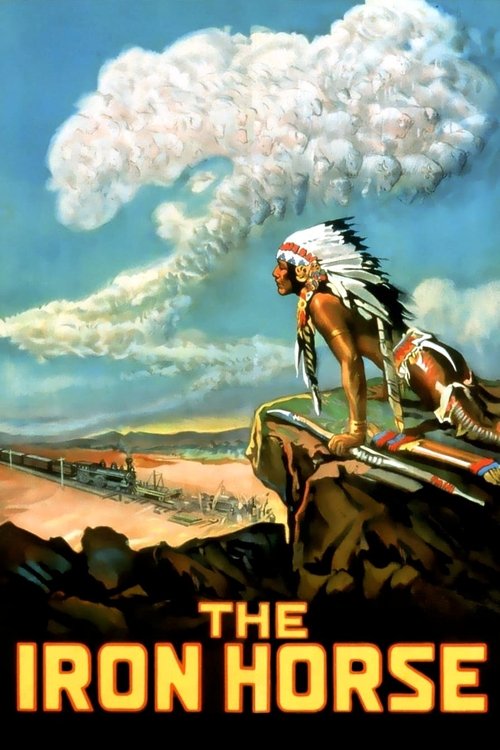
John Ford's first large-scale Western chronicles the building of the first transcontinental railroad, framed as a romance between a surveyor's son and the daughter of a railroad boss. Ford shot on location with thousands of extras, real locomotives, and a reconstructed frontier town, giving the film a documentary weight rare for the genre at the time. The Iron Horse was a major hit for Fox and established Ford as a director who could handle epic scope, the beginning of his long association with the Western. Abraham Lincoln appears as a guiding presence, and the film treats the railroad as the fulfillment of his vision of a united continent. The Library of Congress selected it for the National Film Registry in 2011. The film entered the public domain in the United States in 2020.
Western · History · Silent
The Iron Horse
1924 - as Davy Brandon