Erich Pommer
5 credits on HibingeTV
German film producer and one of the most important figures of the Weimar-era cinema. Born in 1889, he rose to head production at Ufa, where he oversaw The Cabinet of Dr. Caligari (1920), Dr. Mabuse (1922), Die Nibelungen (1924), and Faust (1926), defining the look of German Expressionist film. He pushed for high budgets and technical ambition, and his productions gave work to directors including Fritz Lang and F.W. Murnau. He left Germany with the rise of the Nazis and worked in Britain and Hollywood, then returned to Germany after the war. He died in 1966.
Produced
Fantasy, Adventure
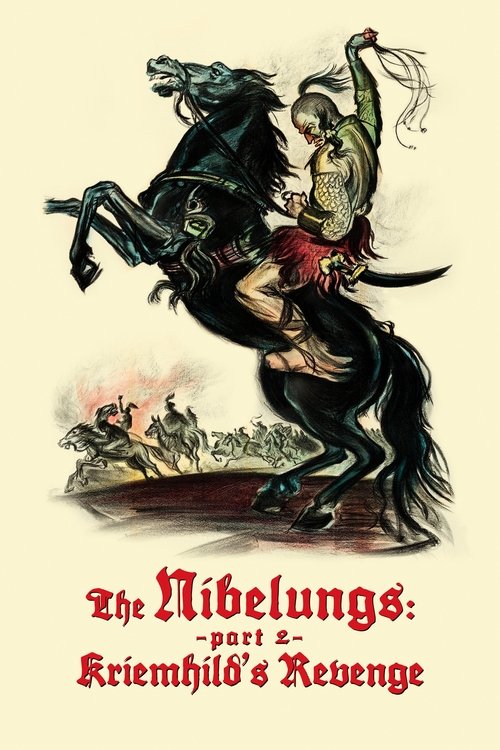
The second half of Fritz Lang's Nibelungenlied adaptation, picking up after Siegfried's murder. Kriemhild marries the Hun king Etzel (Attila) to gather an army, then engineers a massacre of the Burgundians at his court. Where the first film was a myth of heroism, this one is a study of grief hardening into vengeance, ending in a burning hall strewn with bodies. Lang's staging of the climactic siege, with Huns setting the hall alight and Burgundians choosing death, is one of the most violent images in silent cinema. The two films together were meant as a national epic for Weimar Germany, and their ambivalence about loyalty, honor, and revenge has been read and re-read through every German crisis since. The film entered the public domain in the United States in 2020.
Fantasy · Adventure · Drama · Silent
Die Nibelungen: Kriemhild's Revenge
1924 - Fantasy
Fantasy, Adventure
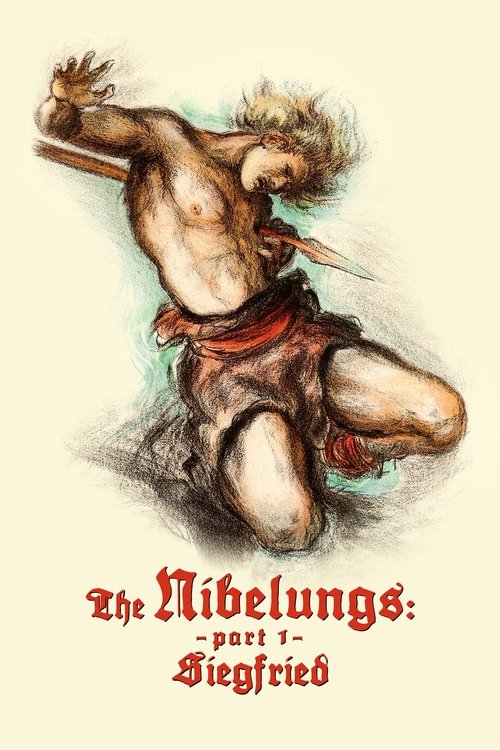
The first half of Fritz Lang's two-part adaptation of the medieval Nibelungenlied, written with his wife Thea von Harbou. Siegfried of Xanten forges a magic sword, slays a dragon, bathes in its blood to become invulnerable, and travels to Worms to woo the Burgundian princess Kriemhild. Lang stages the legend on a monumental scale, with carved forests, a mechanical dragon, and geometric compositions that turn myth into architecture. The film was a prestige production for UFA, meant to assert German cinema's ambition after the First World War, and its visual grandeur has influenced fantasy filmmaking ever since. The story continues in the companion film, Die Nibelungen: Kriemhild's Revenge. The film entered the public domain in the United States in 2020.
Fantasy · Adventure · Drama · Silent
Die Nibelungen: Siegfried
1924 - Fantasy
Crime, Thriller
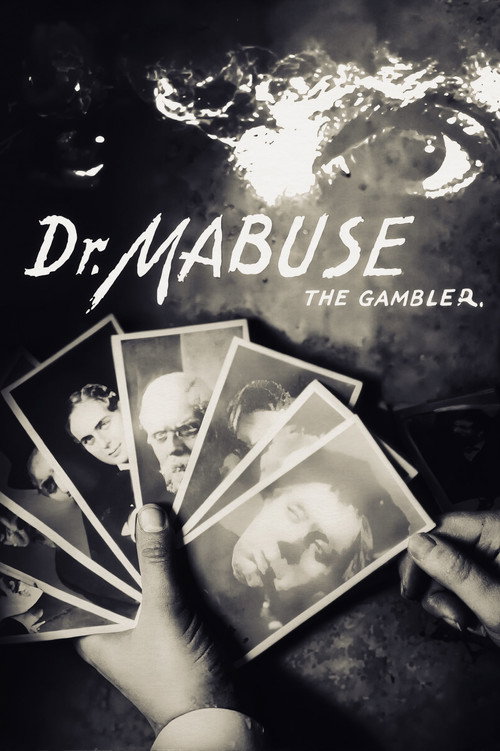
Fritz Lang's two-part criminal epic introduced cinema's first great supervillain. Dr. Mabuse (Rudolf Klein-Rogge) is a hypnotist, master of disguise, and criminal psychologist who manipulates Berlin's decadent gambling clubs, ruins the industrialist Hull, and destroys the young Count Told — all while state prosecutor von Wenk (Bernhard Goetzke) doggedly hunts the phantom pulling the strings. Adapted from Norbert Jacques's novel and subtitled *A Picture of the Time*, the film is both a cracking crime saga and a portrait of Weimar Germany's postwar instability. Mabuse's chilling final descent into madness made him an archetype Lang would revisit twice more. Published in 1922, it is in the public domain in the United States.
Crime · Thriller · Silent
Dr. Mabuse, the Gambler
1922 - Crime
Fantasy, Horror
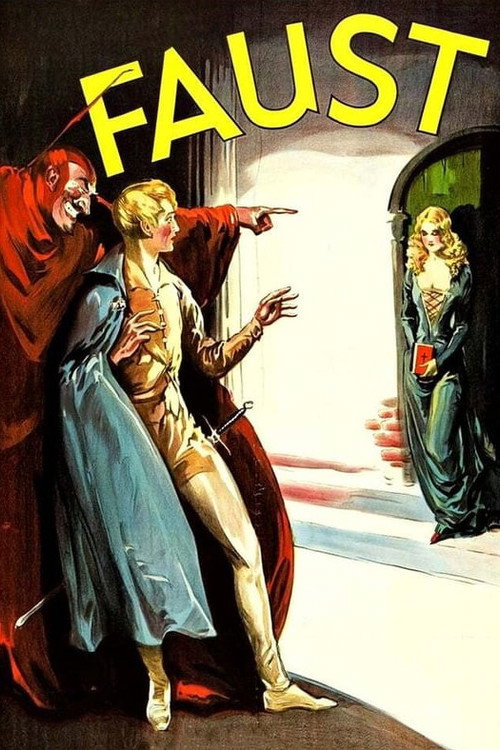
F.W. Murnau's final German film is a lavish silent adaptation of the Faust legend, drawing on Goethe and older folk versions of the tale. An archangel and Mephisto wager over the soul of an aged scholar, and the devil unleashes a plague to drive Faust to desperation. The pact gives Faust youth and worldly pleasure, but the story turns on his seduction of the innocent Gretchen and the tragedy that follows. Emil Jannings plays Mephisto as a leering, theatrical tempter, while Gosta Ekman ages and de-ages across the picture. The film is a high point of German Expressionism, famous for its optical tricks, painted skies, and the surreal image of Mephisto's wings spreading over a miniature town. It was a financial disappointment on release but has been revered by critics ever since. The film entered the public domain in the United States in 2022.
Fantasy · Horror · Drama · Silent
Faust
1926 - Fantasy
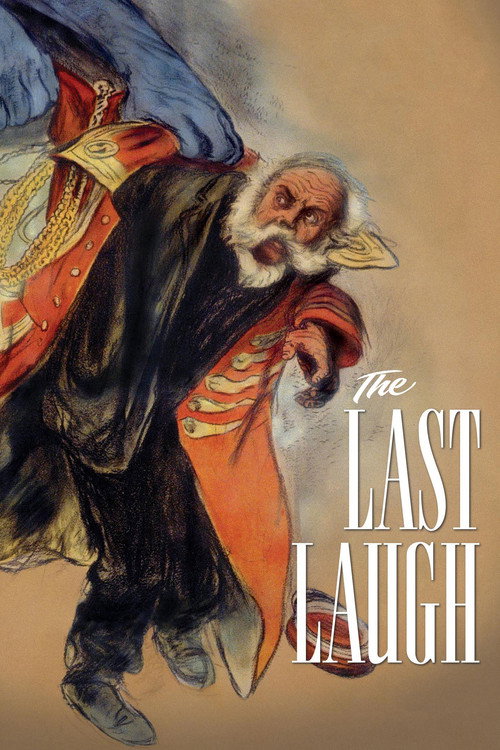
Drama, Silent
F.W. Murnau's study of a proud hotel doorman, played by Emil Jannings, who is demoted to washroom attendant and stripped of the uniform that gave him his identity. Working from a screenplay by Carl Mayer, Murnau tells nearly the whole story without a single intertitle, letting Karl Freund's unchained camera convey the porter's humiliation and fantasies of grandeur. The camera rides up elevators, swings through the hotel lobby, and tilts with the porter's drunken reeling, techniques that astonished audiences in 1924. A tacked-on happy ending, imposed against Murnau's wishes, only underscores the bleakness that precedes it. The film was a landmark of German Kammerspielfilm and a direct influence on the move toward purely visual storytelling in the late silent era. The film entered the public domain in the United States in 2020.
Drama · Silent
The Last Laugh
1924 - Drama