Edna Purviance
5 credits on HibingeTV
American film actress (1895-1958) best known as Charlie Chaplin's leading lady in over 30 films, including The Kid (1921), The Gold Rush (1925), and A Woman of Paris (1923), which Chaplin wrote specifically for her as a starring vehicle. Though she appeared in many of the most famous films of the silent era, Purviance was a reserved, naturalistic actress whose subtle performances contrasted with Chaplin's broad physical comedy. She retired from acting in the late 1920s but remained on Chaplin's payroll for the rest of her life.
Acted In
Comedy, Silent
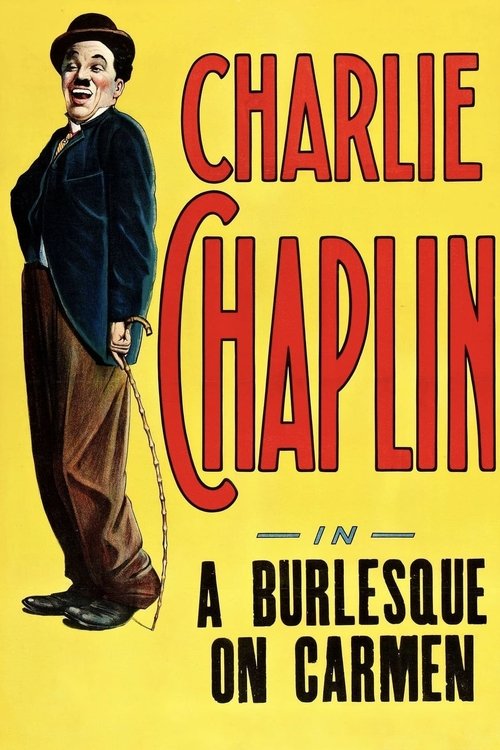
Chaplin's spoof of Cecil B. DeMille's Carmen, released the same year as the film it mocks. Chaplin plays Darn Hosiery, the Don José figure — a dim Spanish officer seduced and ruined by the gypsy Carmen (Edna Purviance) — with Ben Turpin as the toreador Remendado, mangling his name in the bargain. The parody is affectionate but pointed, and its mock-tragic ending is a real gag rather than a whimper. Essanay later padded the two-reeler out to four reels with discarded footage for a 1918 re-release, prompting Chaplin to sue the studio; most surviving prints derive from that expanded version. As a work published before 1930, it is in the public domain in the United States.
Comedy · Silent
A Burlesque on Carmen
1915 - as Carmen
Drama, Romance
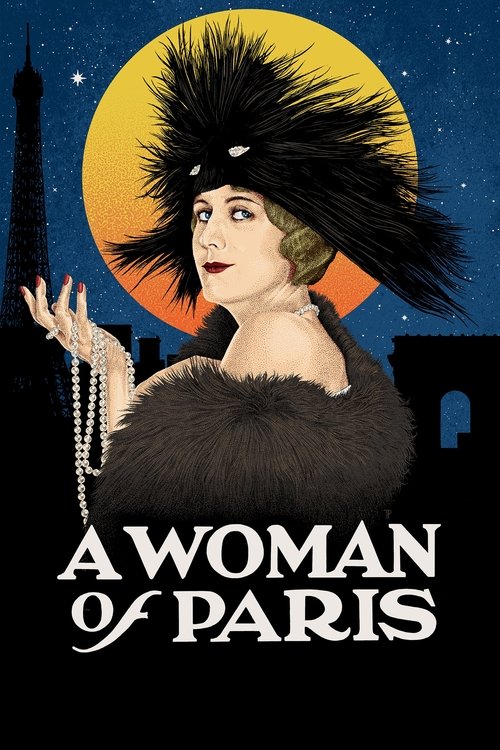
Charlie Chaplin's first serious drama, written and directed by him as a starring vehicle for his longtime leading lady Edna Purviance—Chaplin himself appears only in a brief, uncredited cameo. Marie St. Clair (Purviance) believes she has been abandoned by her lover Jean and moves to Paris, where she becomes the mistress of wealthy playboy Pierre Revel (Adolphe Menjou). Years later, Jean reappears, and Marie must choose between respectability and the glamorous life she has built. Chaplin's sophisticated approach to adult relationships, his satirical eye for high society, and his rejection of melodramatic conventions stunned audiences and critics. The film was a commercial failure but influenced directors from Lubitsch to Renoir, and is now regarded as one of the great silent dramas. The film is in the public domain.
Drama · Romance · Silent
A Woman of Paris
1923 - as Marie St. Clair
Comedy, Silent
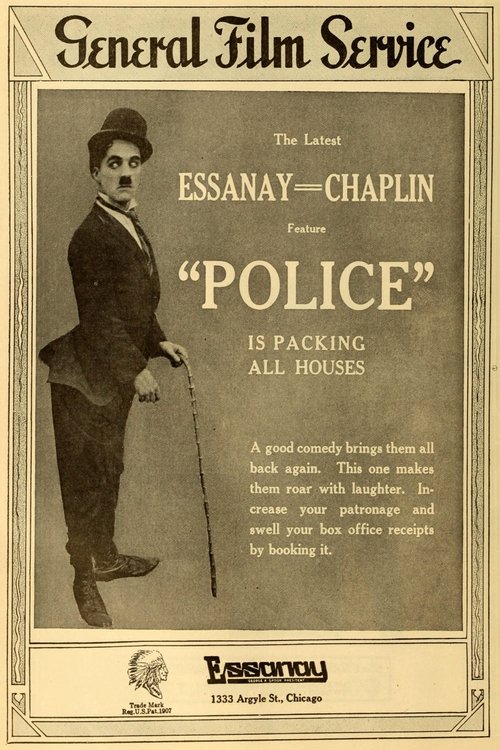
Chaplin's last film for Essanay before he jumped to Mutual for ten times the salary. Released from prison, Chaplin's ex-convict is determined to go straight, but the world won't let him: a bogus parson swindles him out of what little money he has, and an old cellmate ropes him into a bungled burglary. Inside the house, the family's daughter (Edna Purviance) takes pity on the would-be thief, giving the short a surprising streak of sympathy for its outcast hero. Less frenetic than the earlier Essanays, Police points toward the blend of slapstick and sentiment Chaplin would perfect at Mutual. As a work published before 1930, it is in the public domain in the United States.
Comedy · Silent
Police
1916 - as Daughter of the House
Comedy, Silent
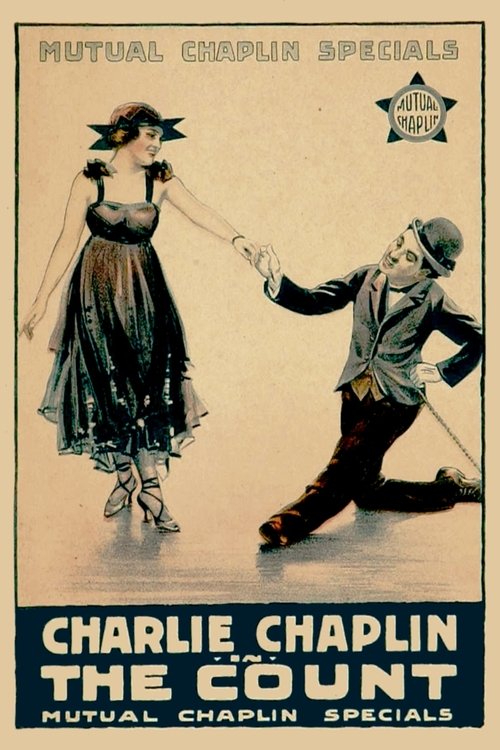
A Mutual two-reeler and one of the best of Chaplin's 1916 run. Charlie is a tailor's apprentice who burns a count's trousers with a hot iron and gets fired; the tailor then sneaks off to impersonate the count at a society party, and Charlie turns up in the same borrowed identity. Eric Campbell, Chaplin's towering half-courted villain of the Mutual years, plays the rival suitor, and Edna Purviance is the object of everyone's attention. The party sequence — Charlie dancing, wolfing food off other people's plates, and dodging Campbell — is some of the purest slapstick he ever filmed. As a work published before 1930, it is in the public domain in the United States.
Comedy · Silent
The Count
1916 - as Miss Moneybags
Comedy, Drama
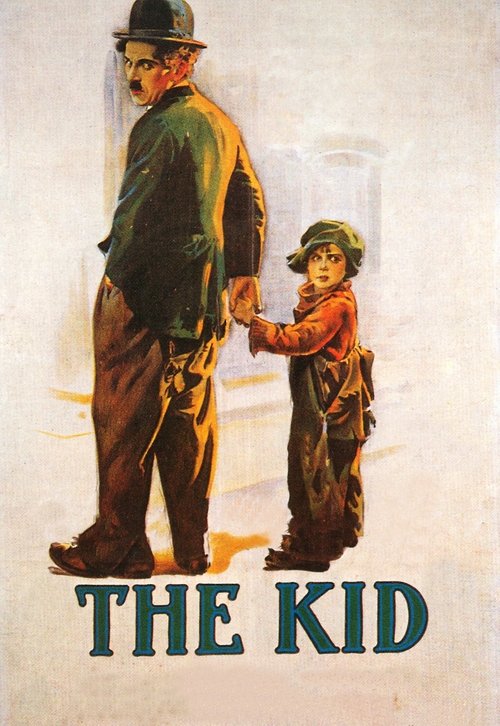
Charlie Chaplin's first feature film and one of the greatest films of the silent era. The Tramp discovers an abandoned baby in an alley and, after trying to leave it, raises the boy as his own. Five years later, the Kid (Jackie Coogan) is his partner in a glass-replacing scam, and the two share a tender, scrappy life together. When the boy falls ill and welfare officials try to take him away, the Tramp fights to keep him. Chaplin balanced broad comedy with genuine pathos, and Coogan's performance made him the first major child star in film history. The dream sequence, in which Chaplin imagines heaven as a rooftop populated by angels and devils, is one of the most imaginative passages in silent cinema. The film was co-founded through United Artists, the distribution company Chaplin had helped create in 1919. As a work published before 1930, it is in the public domain in the United States.
Comedy · Drama · Silent
The Kid
1921 - as The Woman