D.W. Griffith
20 credits on HibingeTV
American film director, born David Wark Griffith in 1875. One of the pioneering figures of the feature film, he developed much of the grammar of cinematic storytelling at the Biograph Company in the 1900s and 1910s. His films include The Birth of a Nation (1915), Intolerance (1916), and Broken Blossoms (1919). He co-founded United Artists. Abraham Lincoln (1930) was his first all-talking picture and one of his last films. His later career was overshadowed by the controversy over The Birth of a Nation and the rise of sound. He died in 1948.
Directed
Drama, Silent
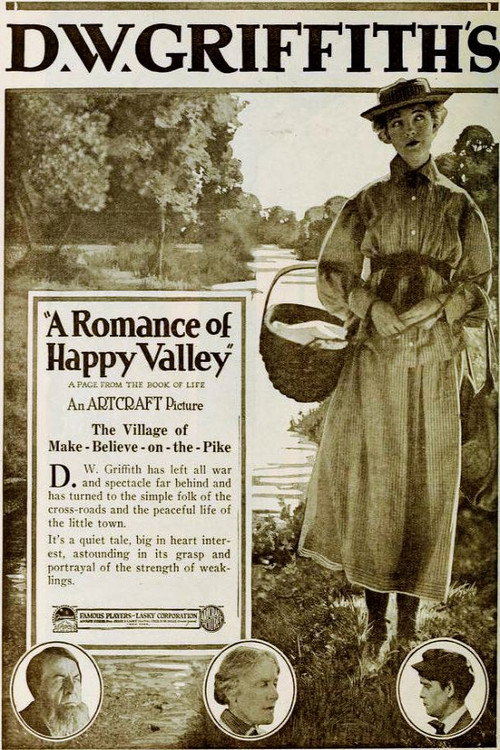
A silent drama directed by D.W. Griffith, starring Lillian Gish and Robert Harron. John Logan Jr. leaves his parents and sweetheart, Jennie Timberlake, in the rural Kentucky of Happy Valley to seek his fortune in New York City. Those he left behind fall into hardship in his absence, while John is seduced by the wealth and cynicism of the city. The film was believed lost for nearly fifty years until a print was discovered in the State Film Archives of the Soviet Union in 1965 and donated to the Museum of Modern Art. Carol Dempster, who would become Griffith's leading lady of the 1920s, made her film debut in a small role as a girl John meets in New York. As a work published before 1930, the film is in the public domain in the United States.
Drama · Silent
A Romance of Happy Valley
1919 - Drama
Biography, Drama
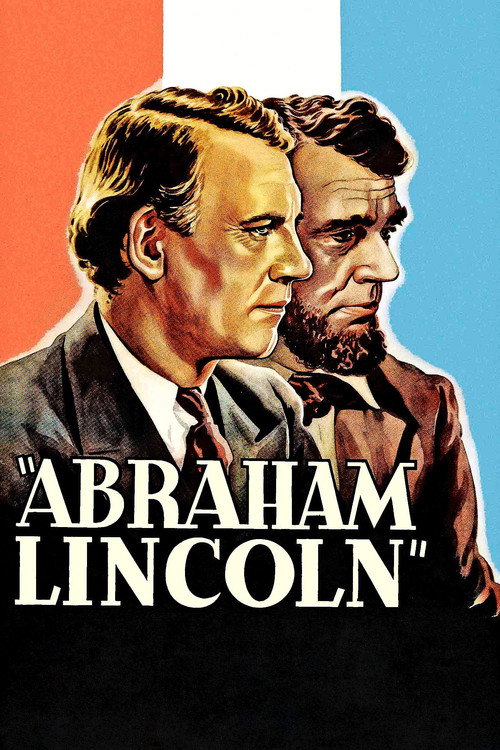
D.W. Griffith's first all-talking picture is a biographical portrait of Abraham Lincoln, from his youth as a rail-splitter and storekeeper in New Salem through his romance with Ann Rutledge, his marriage to Mary Todd, his legal career, his election to the presidency, and his leadership during the Civil War, ending with his assassination at Ford's Theatre. Walter Huston plays Lincoln with a plainspoken gravity, and Una Merkel is Ann Rutledge. The film, scripted in part by Stephen Vincent Benét, was Griffith's penultimate film and one of his last major productions. It was not a commercial success on release but has been reassessed as a late work of a foundational director. Published in 1930, it entered the public domain in the United States on January 1, 2026.
Biography · Drama · History
Abraham Lincoln
1930 - Biography
Drama, Romance
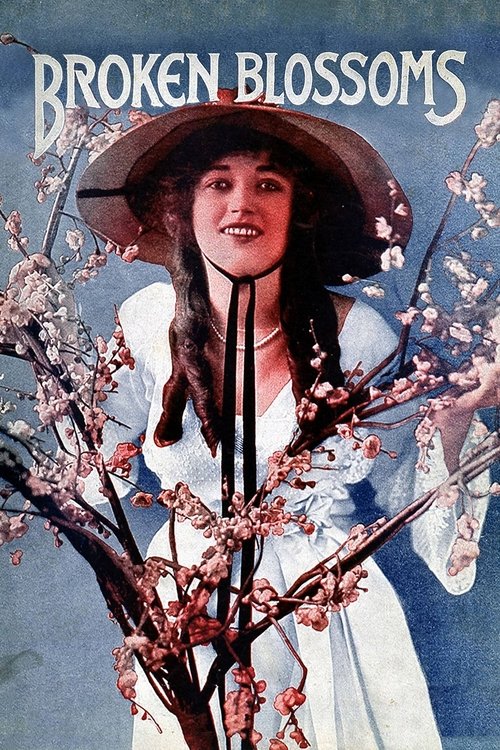
D.W. Griffith's tragic melodrama, subtitled *The Yellow Man and the Girl*, was his deliberate turn away from spectacle toward intimacy after the scale of *Intolerance*. Lillian Gish gives one of the great performances of the silent era as Lucy, the abused daughter of a brutal London prize-fighter (Donald Crisp), who finds fleeting tenderness with Cheng Huan (Richard Barthelmess), a Chinese shopkeeper whose dreams of peace have curdled in the Limehouse fog. The interracial romance at its center was daring for 1919, though the casting and caricature reflect the era's prejudices. Shot in hazy, oppressive studio interiors, it is among Griffith's most visually beautiful films. Published in 1919, it is in the public domain in the United States.
Drama · Romance · Silent
Broken Blossoms
1919 - Drama
Drama, Silent
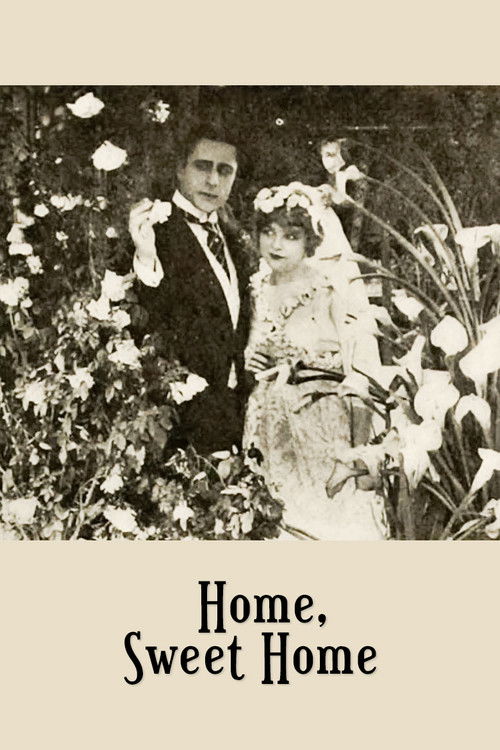
A D.W. Griffith silent feature built around the life of John Howard Payne, the impoverished songwriter who wrote "Home, Sweet Home," and three episodic stories in which the song redeems its hearers. Henry B. Walthall plays Payne, with Lillian Gish, Mae Marsh, and Robert Harron in the surrounding tales. Shot by G.W. Bitzer and advertised at the time as the first "all-star" cast, the film was produced at the Reliance-Majestic studio and distributed by Mutual. As a work published before 1930, it is in the public domain in the United States.
Drama · Silent
Home, Sweet Home
1914 - Drama
Drama, History
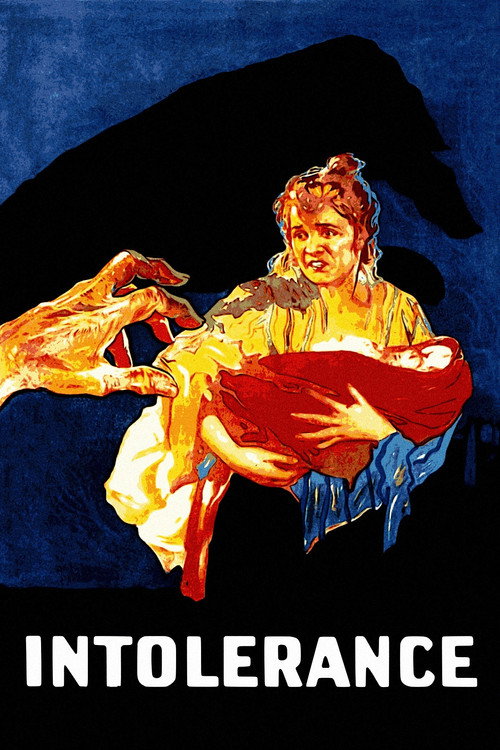
D.W. Griffith's mammoth reply to the criticism of The Birth of a Nation, intercutting four stories of intolerance across the ages: the fall of Babylon, the crucifixion of Christ, the St. Bartholomew's Day massacre, and a modern labor conflict. The Babylonian sets, with their towering walls and armies of extras, remain among the largest ever built, and the cross-cutting between the strands influenced nearly every epic that followed. Lillian Gish, Mae Marsh, Robert Harron, and Constance Talmadge lead the enormous cast. As a work published before 1930, the film is in the public domain in the United States.
Drama · History · Silent
Intolerance
1916 - Drama
Mystery, Crime
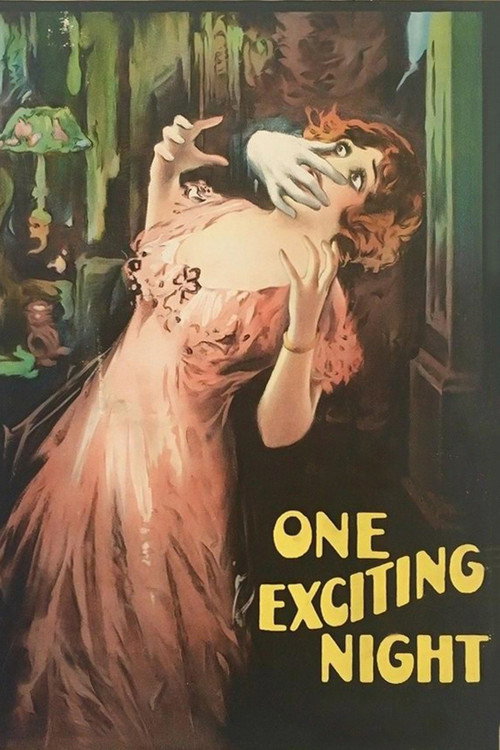
A 1922 American Gothic silent mystery film directed by D. W. Griffith. The plot revolves around a series of murders on a wealthy estate and the attempts of the cast to uncover the murderer's identity. A young orphan girl (Carol Dempster), courted by an unpleasant older wealthy man who has a hold over her adoptive mother, falls in love with a young stranger (Henry Hull) at a party. Odd noises begin to be heard as a group of bootleggers clandestinely try to get away with their hidden loot. One of them is killed and the young man is suspected of being the killer. Griffith reassembled the cast and shot a new ending involving a terrifying hurricane, using a combination of real hurricane footage and studio special effects. The film is in the public domain.
Mystery · Crime · Silent
One Exciting Night
1922 - Mystery
Drama, Silent
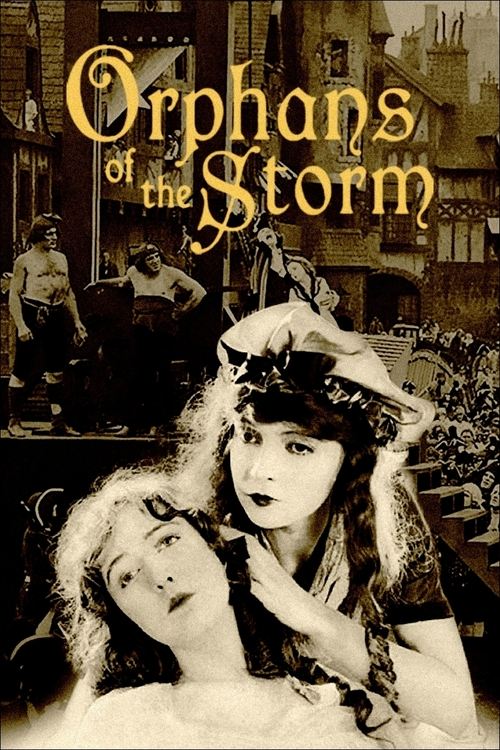
D.W. Griffith's lavish silent epic, set against the French Revolution. Two orphaned sisters, the sighted Henriette (Lillian Gish) and the blind Louise (Dorothy Gish), travel to Paris seeking a cure and are swept apart by aristocratic abduction and the coming Terror, until a kindly chevalier (Joseph Schildkraut) and the rise of Danton (Monte Blue) turn the tide. Griffith built enormous period sets and staged crowd scenes on a scale to rival Intolerance, and the film marked Lillian Gish's final role for him. As a work published before 1930, it is in the public domain in the United States.
Drama · Silent
Orphans of the Storm
1921 - Drama
Horror, Drama
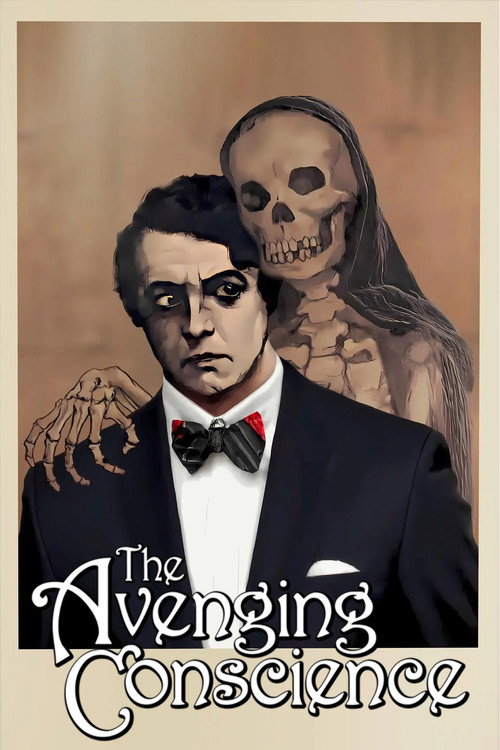
A D.W. Griffith silent feature inspired by the works of Edgar Allan Poe, particularly "The Tell-Tale Heart" and "Annabel Lee." A young man (Henry B. Walthall) lives under the tyrannical rule of his uncle, whose murder he plots and commits. But guilt gnaws at him—apparitions of Poe's vision haunt his waking hours, and the beating of a dead heart seems to echo from beneath the floorboards. Griffith blends psychological horror with pastoral romance, intercutting the nephew's torment with scenes of courtship with his sweetheart (Blanche Sweet). Cinematographer G.W. Bitzer's inventive use of tinting and irises gives the film a dreamlike, Expressionist quality that anticipates the German Expressionist movement. Released August 2, 1914, the film is in the public domain.
Horror · Drama · Crime · Silent
The Avenging Conscience
1914 - Horror
Drama, History
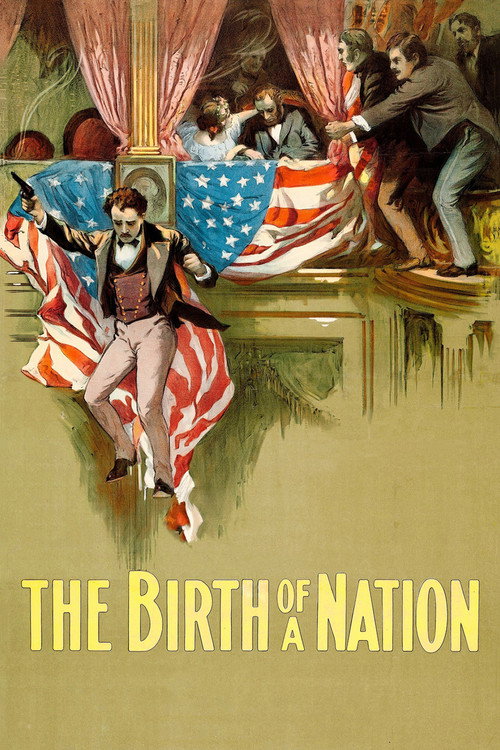
D.W. Griffith's Civil War and Reconstruction epic was the first true blockbuster — the film that proved the feature-length movie could be a mass cultural event. Its technical innovations in cross-cutting, night photography, and large-scale battle staging reshaped the language of cinema. It is also infamous propaganda: adapted from Thomas Dixon's novel *The Clansman*, it depicts the Ku Klux Klan as heroic saviors and portrays Black characters — mostly white actors in blackface — through vicious racist caricature. The film sparked protests led by the newly formed NAACP and helped inspire the Klan's real-world revival. It is presented here as a historically significant work that must be understood in that context. Published in 1915, it is in the public domain in the United States.
Drama · History · War · Silent
The Birth of a Nation
1915 - Drama
Crime, Drama
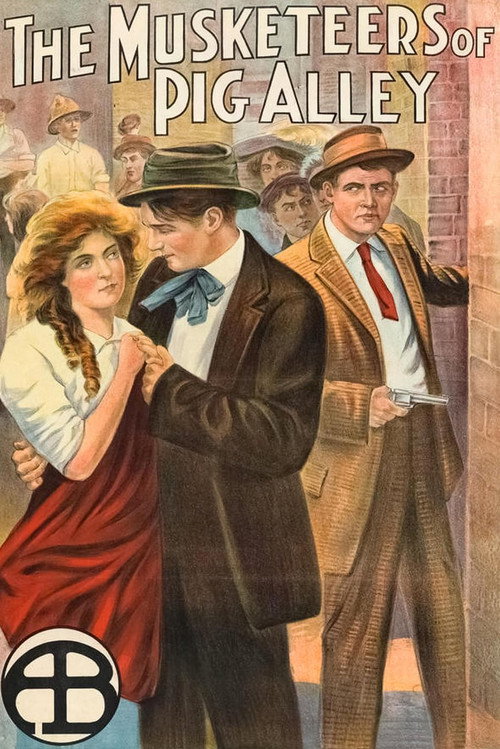
A poor tenement woman is robbed by the Snapper Kid's gang, and when a rival mob moves in on Pig Alley the two hoods collide in a shootout that Griffith films with pioneering close, mobile camerawork. Often cited as the first gangster film. The film entered the public domain through non-renewal.
Crime · Drama
The Musketeers of Pig Alley
1912 - Crime
Drama, Silent
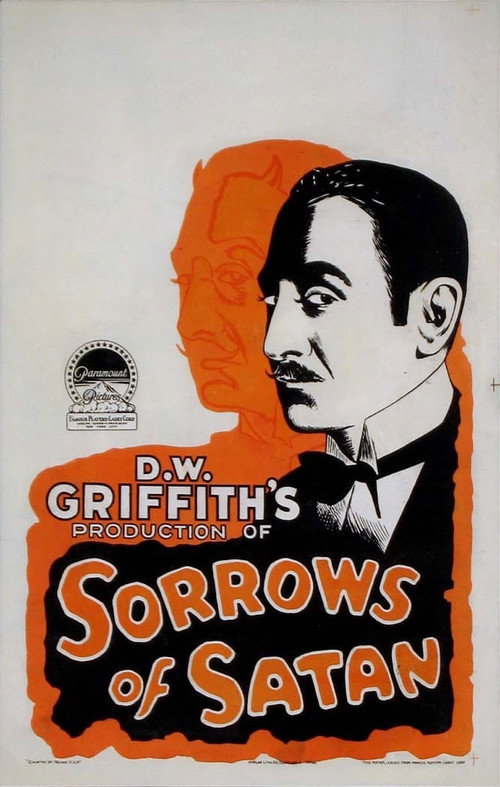
D.W. Griffith's lavish adaptation of Marie Corelli's bestselling novel. A penniless writer (Ricardo Cortez) is granted wealth and fame by a suave stranger (Adolphe Menjou) who is Satan in disguise, only to find that every wish brings misery, while the woman who truly loves him (Carol Dempster) stands beyond his corrupted reach. One of Griffith's most expensive productions, the film pairs its Faustian plot with opulent sets and a European cast including Lya De Putti. As a work published before 1930, it is in the public domain in the United States.
Drama · Silent
The Sorrows of Satan
1926 - Drama
Produced
Drama, Romance
D.W. Griffith's tragic melodrama, subtitled *The Yellow Man and the Girl*, was his deliberate turn away from spectacle toward intimacy after the scale of *Intolerance*. Lillian Gish gives one of the great performances of the silent era as Lucy, the abused daughter of a brutal London prize-fighter (Donald Crisp), who finds fleeting tenderness with Cheng Huan (Richard Barthelmess), a Chinese shopkeeper whose dreams of peace have curdled in the Limehouse fog. The interracial romance at its center was daring for 1919, though the casting and caricature reflect the era's prejudices. Shot in hazy, oppressive studio interiors, it is among Griffith's most visually beautiful films. Published in 1919, it is in the public domain in the United States.
Drama · Romance · Silent
Broken Blossoms
1919 - Drama
Drama, Silent
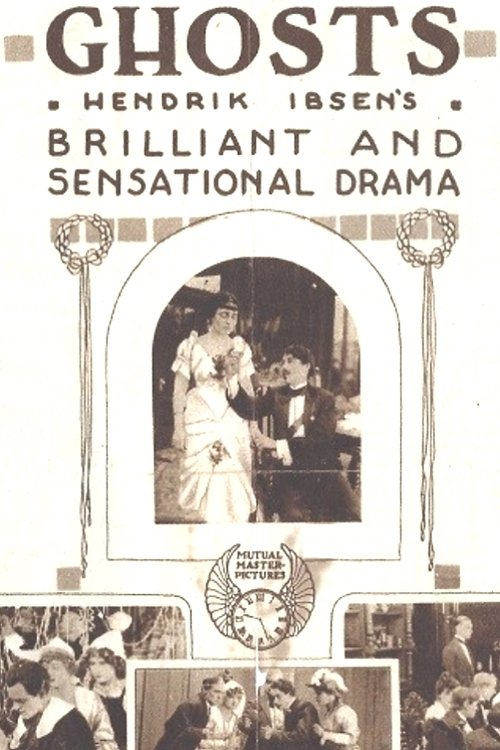
One of the earliest screen adaptations of Henrik Ibsen, this silent film was produced by D.W. Griffith and directed by George Nichols. Henry B. Walthall, fresh from *The Birth of a Nation*, plays a dual role as both Captain Arling, a dissolute father, and Oswald, the grown son who inherits his father's alcoholism and disease. When Oswald falls in love with the family maid, Regina, not knowing she is his half-sister, the family doctor intervenes to stop the marriage, and the sins of the father are visited upon the son. Erich von Stroheim, then a young technical assistant at Griffith's studio, served as wardrobe assistant and appeared in a bit part. The film was rereleased in 1919 under the title *The Curse*. As a work published before 1930, the film is in the public domain in the United States.
Drama · Silent
Ghosts
1915 - Drama
Drama, Silent
A D.W. Griffith silent feature built around the life of John Howard Payne, the impoverished songwriter who wrote "Home, Sweet Home," and three episodic stories in which the song redeems its hearers. Henry B. Walthall plays Payne, with Lillian Gish, Mae Marsh, and Robert Harron in the surrounding tales. Shot by G.W. Bitzer and advertised at the time as the first "all-star" cast, the film was produced at the Reliance-Majestic studio and distributed by Mutual. As a work published before 1930, it is in the public domain in the United States.
Drama · Silent
Home, Sweet Home
1914 - Drama
Comedy, Drama
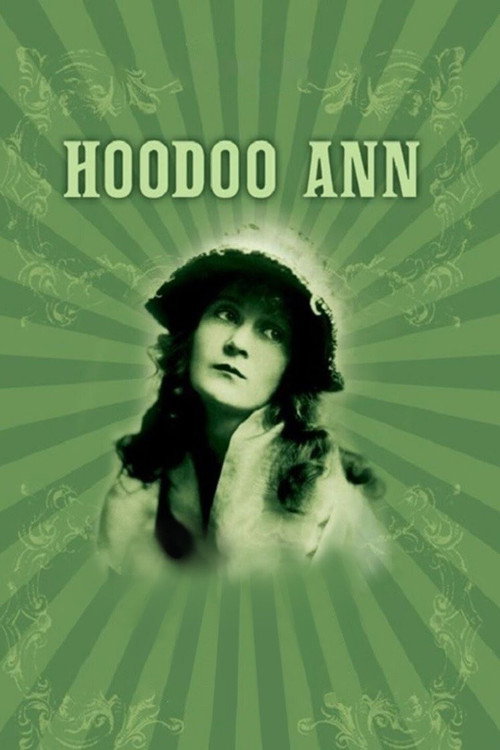
An orphan abandoned on a Friday the thirteenth grows up believing she is cursed, and a string of mishaps seems to prove it, until she rescues a fellow orphan from a fire and is adopted by a grieving couple. Mae Marsh plays the superstitious heroine with the naturalness Griffith prized, opposite Robert Harron as the boy next door. Written and supervised by D.W. Griffith and directed by Lloyd Ingraham for the Fine Arts Film Company, the comedy-drama was released through Triangle. As a work published before 1930, it is in the public domain in the United States.
Comedy · Drama · Silent
Hoodoo Ann
1916 - Comedy
Drama, History
D.W. Griffith's mammoth reply to the criticism of The Birth of a Nation, intercutting four stories of intolerance across the ages: the fall of Babylon, the crucifixion of Christ, the St. Bartholomew's Day massacre, and a modern labor conflict. The Babylonian sets, with their towering walls and armies of extras, remain among the largest ever built, and the cross-cutting between the strands influenced nearly every epic that followed. Lillian Gish, Mae Marsh, Robert Harron, and Constance Talmadge lead the enormous cast. As a work published before 1930, the film is in the public domain in the United States.
Drama · History · Silent
Intolerance
1916 - Drama
Mystery, Crime
A 1922 American Gothic silent mystery film directed by D. W. Griffith. The plot revolves around a series of murders on a wealthy estate and the attempts of the cast to uncover the murderer's identity. A young orphan girl (Carol Dempster), courted by an unpleasant older wealthy man who has a hold over her adoptive mother, falls in love with a young stranger (Henry Hull) at a party. Odd noises begin to be heard as a group of bootleggers clandestinely try to get away with their hidden loot. One of them is killed and the young man is suspected of being the killer. Griffith reassembled the cast and shot a new ending involving a terrifying hurricane, using a combination of real hurricane footage and studio special effects. The film is in the public domain.
Mystery · Crime · Silent
One Exciting Night
1922 - Mystery
Drama, Silent
D.W. Griffith's lavish silent epic, set against the French Revolution. Two orphaned sisters, the sighted Henriette (Lillian Gish) and the blind Louise (Dorothy Gish), travel to Paris seeking a cure and are swept apart by aristocratic abduction and the coming Terror, until a kindly chevalier (Joseph Schildkraut) and the rise of Danton (Monte Blue) turn the tide. Griffith built enormous period sets and staged crowd scenes on a scale to rival Intolerance, and the film marked Lillian Gish's final role for him. As a work published before 1930, it is in the public domain in the United States.
Drama · Silent
Orphans of the Storm
1921 - Drama
Horror, Drama
A D.W. Griffith silent feature inspired by the works of Edgar Allan Poe, particularly "The Tell-Tale Heart" and "Annabel Lee." A young man (Henry B. Walthall) lives under the tyrannical rule of his uncle, whose murder he plots and commits. But guilt gnaws at him—apparitions of Poe's vision haunt his waking hours, and the beating of a dead heart seems to echo from beneath the floorboards. Griffith blends psychological horror with pastoral romance, intercutting the nephew's torment with scenes of courtship with his sweetheart (Blanche Sweet). Cinematographer G.W. Bitzer's inventive use of tinting and irises gives the film a dreamlike, Expressionist quality that anticipates the German Expressionist movement. Released August 2, 1914, the film is in the public domain.
Horror · Drama · Crime · Silent
The Avenging Conscience
1914 - Horror
Drama, History
D.W. Griffith's Civil War and Reconstruction epic was the first true blockbuster — the film that proved the feature-length movie could be a mass cultural event. Its technical innovations in cross-cutting, night photography, and large-scale battle staging reshaped the language of cinema. It is also infamous propaganda: adapted from Thomas Dixon's novel *The Clansman*, it depicts the Ku Klux Klan as heroic saviors and portrays Black characters — mostly white actors in blackface — through vicious racist caricature. The film sparked protests led by the newly formed NAACP and helped inspire the Klan's real-world revival. It is presented here as a historically significant work that must be understood in that context. Published in 1915, it is in the public domain in the United States.
Drama · History · War · Silent
The Birth of a Nation
1915 - Drama