Conrad Veidt
6 credits on HibingeTV
German actor. Born in 1893, Veidt was a major star of German silent cinema. He played the sleepwalker Cesare in The Cabinet of Dr. Caligari (1920) and the title role in The Man Who Laughs (1928), whose grinning visage later inspired the look of the Joker. He fled Nazi Germany in the 1930s and continued his career in Britain and Hollywood, where he played the Nazi major Strasser in Casablanca (1942). He died in 1943.
Acted In
War, Romance
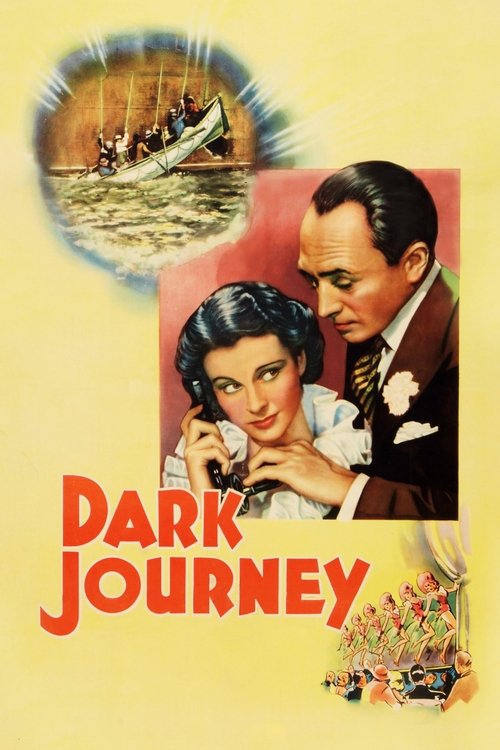
Stockholm, 1918: a French spy running a high-fashion dress shop, played by Vivien Leigh, falls for the German counterintelligence chief assigned to catch her, played by Conrad Veidt. Both know what the other is; neither can quite stop. Victor Saville directs the London Films production as an elegant cat-and-mouse romance where every ballroom scene doubles as tradecraft. Leigh, on the verge of Gone with the Wind, and Veidt, the great German exile who had played Cesare in Caligari, make an improbably magnetic pair, and the neutral Swedish setting lets the film keep its sympathies ambiguous. It is in the public domain in the United States.
War · Romance · Thriller
Dark Journey
1937 - as Baron Karl Von Marwitz
Adventure, Drama
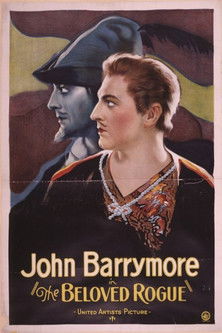
A loose, swashbuckling portrait of the 15th-century French poet Francois Villon, played by John Barrymore at the height of his stage and screen fame. Villon is a tavern brawler and versifier who runs afoul of King Louis XI, played by the German actor Conrad Veidt in a Hollywood sojourn between Caligari and his later work in The Cabinet of Dr. Caligari's shadow. The production was lavish, with sets by William Cameron Menzies and an estimated million-dollar budget. The only surviving domestic print was found years later in Barrymore's own former mansion by its next occupant, Edgar Bergen, and donated to the American Film Institute. It entered the public domain in the United States in 2023.
Adventure · Drama · Silent
The Beloved Rogue
1927 - as King Louis XI
Horror, Silent
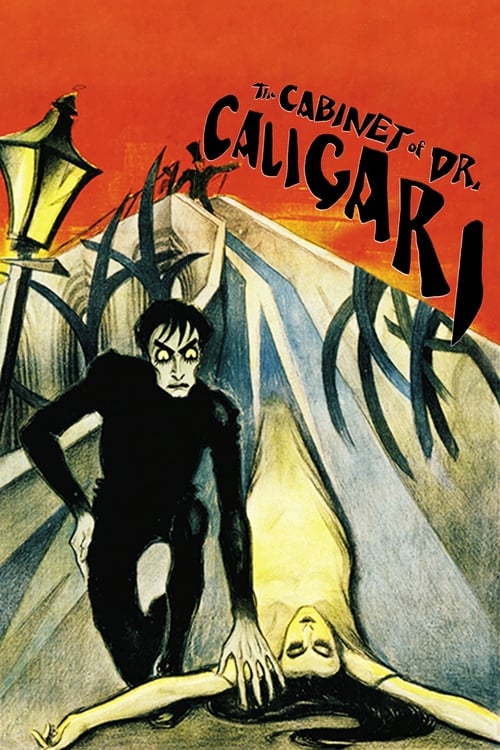
In a German village, a series of murders follows the arrival of a fairground showman named Dr. Caligari, who displays a sleepwalker named Cesare and claims he can answer any question. Cesare is made to kill at night. The story is told by a young man named Francis, and the truth of what he describes is called into question by the ending. The film defined German Expressionist cinema. Every set was painted with sharp angles and distorted perspective, with no right angles, so that the world itself looks like it is bending. The visual style was a direct influence on film noir and on horror for the next century. Werner Krauss plays Caligari and Conrad Veidt plays Cesare; both performances are unsettling and physical. The film is in the public domain as a pre-1930 work.
Horror · Silent
The Cabinet of Dr. Caligari
1920 - as Cesare
Horror, Thriller
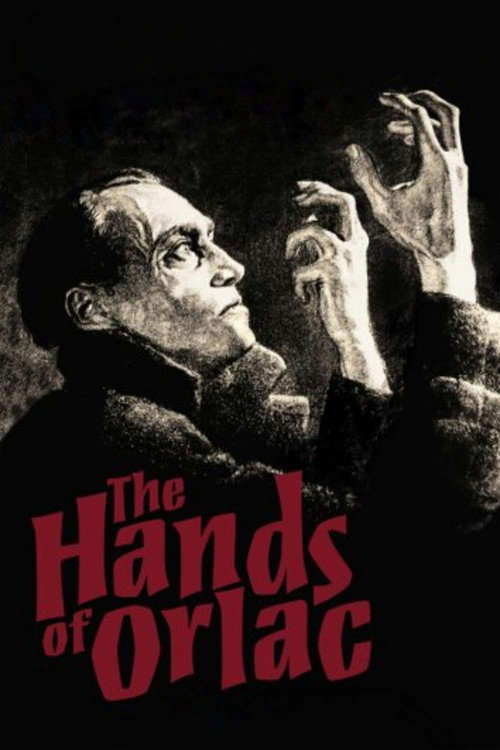
Robert Wiene, the director of The Cabinet of Dr. Caligari, turned Maurice Renard's novel into a late Expressionist horror about a concert pianist whose hands are crushed in a train wreck and replaced with those of an executed murderer. Conrad Veidt plays Orlac as a man slowly convinced that the graft has passed the killer's violence into his own body, his long fingers curling and twitching as if with a will of their own. The film trades Caligari's painted sets for shadowed, realistic spaces, but keeps the same dread of identity dissolving from within. The premise has been remade twice, most notably as Mad Love (1935) with Peter Lorre, but Wiene's original remains the purest version of the body-horror idea. The film entered the public domain in the United States in 2020.
Horror · Thriller · Silent
The Hands of Orlac
1924 - as Paul Orlac
Drama, Horror
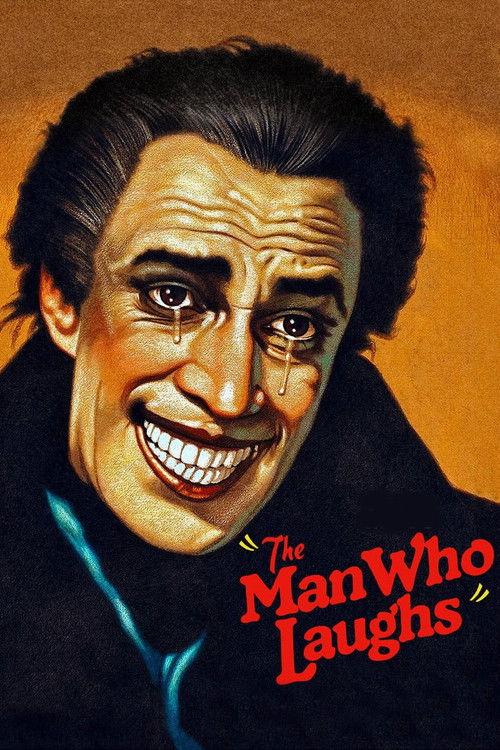
Paul Leni's adaptation of the Victor Hugo novel, made at Universal during the silent horror boom that followed The Phantom of the Opera. Conrad Veidt plays Gwynplaine, a nobleman disfigured as a child with a permanent carved grin, who becomes a fairground attraction and falls for the blind girl Dea. Veidt's fixed, grotesque smile is the image the film is remembered for, and it is widely cited as a visual reference for the Joker in Batman. Leni, a German Expressionist who came to Hollywood to design for the screen, fills the frame with baroque shadows and carnival imagery. He died of sepsis the year the film was released, making this one of his last works. The 1928 film entered the United States public domain on January 1, 2024.
Drama · Horror · Romance · Silent
The Man Who Laughs
1928 - as Gwynplaine
Fantasy, Horror
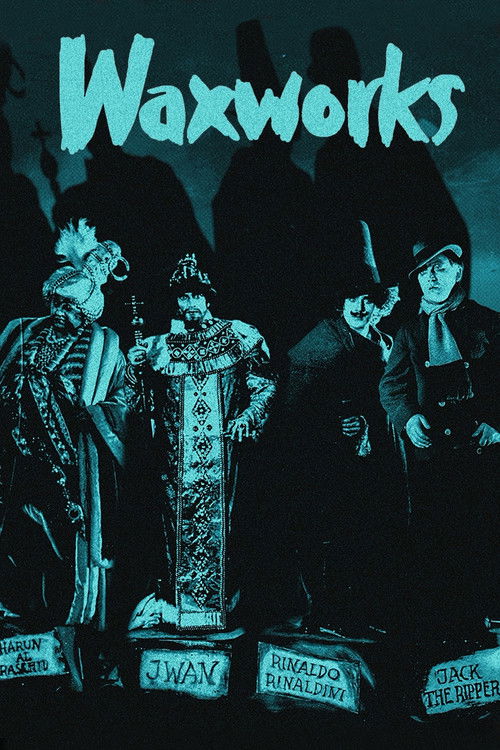
Paul Leni's German Expressionist anthology strings together three tales a wandering poet invents for the figures in a wax museum. Emil Jannings plays the Caliph Harun al-Rashid, slipping through Baghdad in disguise to court a baker's wife; Conrad Veidt is Ivan the Terrible, spiraling into paranoid madness over a poisoned hourglass; and Werner Krauss is a nightmarish Jack the Ripper who seems to step out of the poet's dreams. Leni's sets tilt and bend, his shadows are painted on, and the camera pushes in close on faces twisted by fear and obsession. The film was a bridge between German Expressionism and the horror cinema Leni would help found after he emigrated to Hollywood, where he directed The Cat and the Canary (1927). The film entered the public domain in the United States in 2020.
Fantasy · Horror · Silent
Waxworks
1924 - as Ivan the Terrible