Charlie Chaplin
34 credits on HibingeTV
English comic actor, filmmaker, and composer who became one of the most recognizable figures in film history. Born in London in 1889, he grew up in poverty and began performing in music halls as a child. He moved to America in 1910 and developed the Tramp character at Keystone Studios. By 1918 he was one of the most famous people in the world. He co-founded United Artists in 1919. His feature films include The Kid (1921), The Gold Rush (1925), The Circus (1928), City Lights (1931), and Modern Times (1936). He continued making films through the 1960s and died in 1977.
Directed
Comedy, Silent
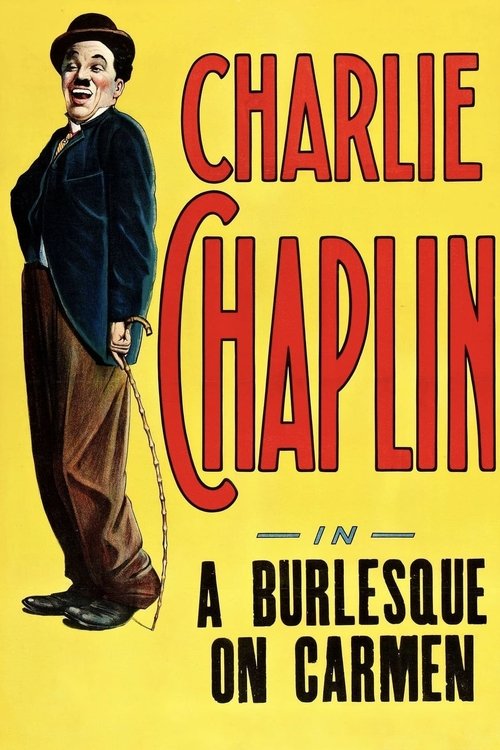
Chaplin's spoof of Cecil B. DeMille's Carmen, released the same year as the film it mocks. Chaplin plays Darn Hosiery, the Don José figure — a dim Spanish officer seduced and ruined by the gypsy Carmen (Edna Purviance) — with Ben Turpin as the toreador Remendado, mangling his name in the bargain. The parody is affectionate but pointed, and its mock-tragic ending is a real gag rather than a whimper. Essanay later padded the two-reeler out to four reels with discarded footage for a 1918 re-release, prompting Chaplin to sue the studio; most surviving prints derive from that expanded version. As a work published before 1930, it is in the public domain in the United States.
Comedy · Silent
A Burlesque on Carmen
1915 - Comedy
Comedy, Silent
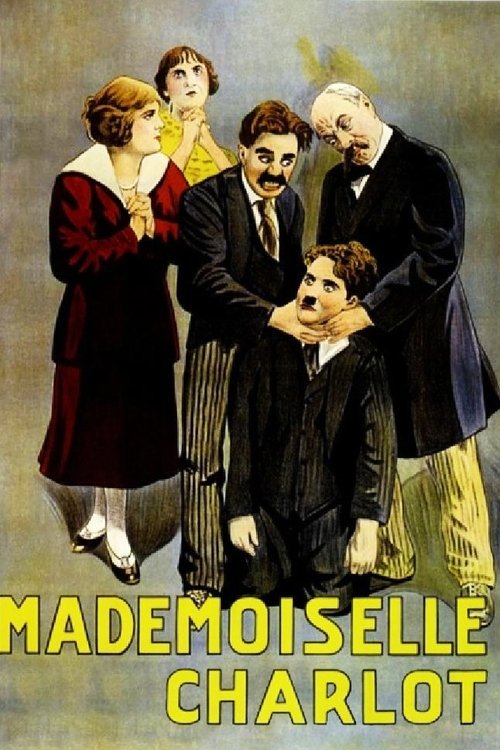
A Charlie Chaplin Essanay comedy in which the Tramp disrupts a family outing in the park. After charming a young woman and infuriating her father and suitor, Chaplin retreats to a hotel where he encounters the family again. In the film's famous sequence, Chaplin disguises himself as a woman to evade pursuit, leading to a farcical series of mistaken identities and flirtations—including the girl's father making advances toward the cross-dressed Tramp. The film showcases Chaplin's mastery of gender-bending comedy, a device he would refine throughout his career. The film is in the public domain.
Comedy · Silent
A Woman
1915 - Comedy
Drama, Romance
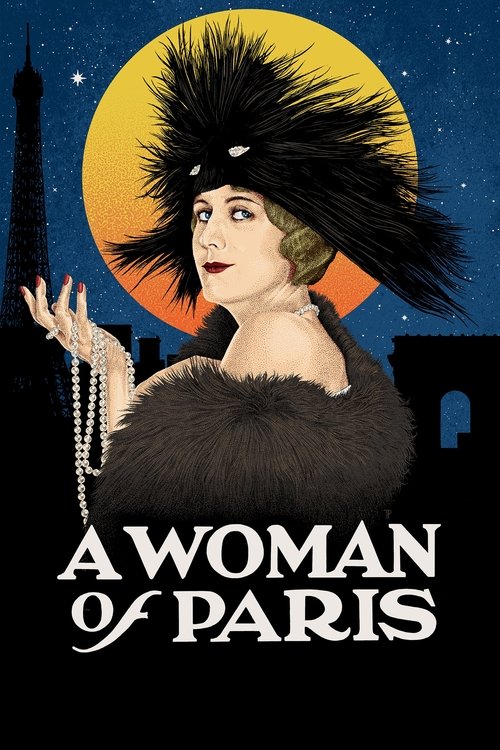
Charlie Chaplin's first serious drama, written and directed by him as a starring vehicle for his longtime leading lady Edna Purviance—Chaplin himself appears only in a brief, uncredited cameo. Marie St. Clair (Purviance) believes she has been abandoned by her lover Jean and moves to Paris, where she becomes the mistress of wealthy playboy Pierre Revel (Adolphe Menjou). Years later, Jean reappears, and Marie must choose between respectability and the glamorous life she has built. Chaplin's sophisticated approach to adult relationships, his satirical eye for high society, and his rejection of melodramatic conventions stunned audiences and critics. The film was a commercial failure but influenced directors from Lubitsch to Renoir, and is now regarded as one of the great silent dramas. The film is in the public domain.
Drama · Romance · Silent
A Woman of Paris
1923 - Drama
Comedy, Silent
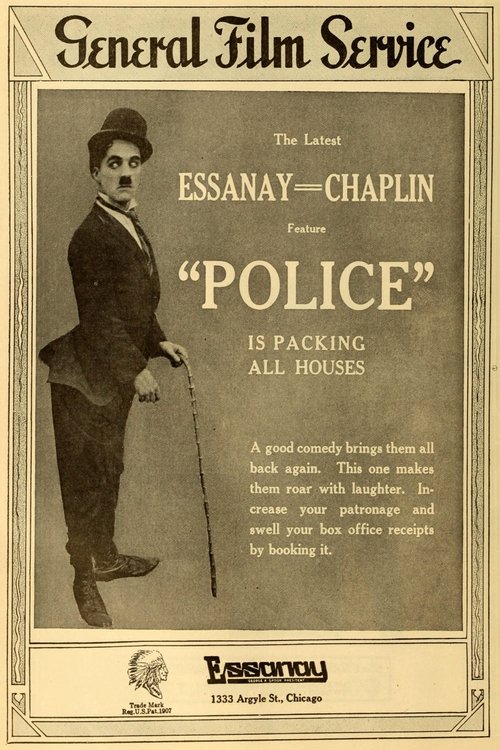
Chaplin's last film for Essanay before he jumped to Mutual for ten times the salary. Released from prison, Chaplin's ex-convict is determined to go straight, but the world won't let him: a bogus parson swindles him out of what little money he has, and an old cellmate ropes him into a bungled burglary. Inside the house, the family's daughter (Edna Purviance) takes pity on the would-be thief, giving the short a surprising streak of sympathy for its outcast hero. Less frenetic than the earlier Essanays, Police points toward the blend of slapstick and sentiment Chaplin would perfect at Mutual. As a work published before 1930, it is in the public domain in the United States.
Comedy · Silent
Police
1916 - Comedy
Comedy, War
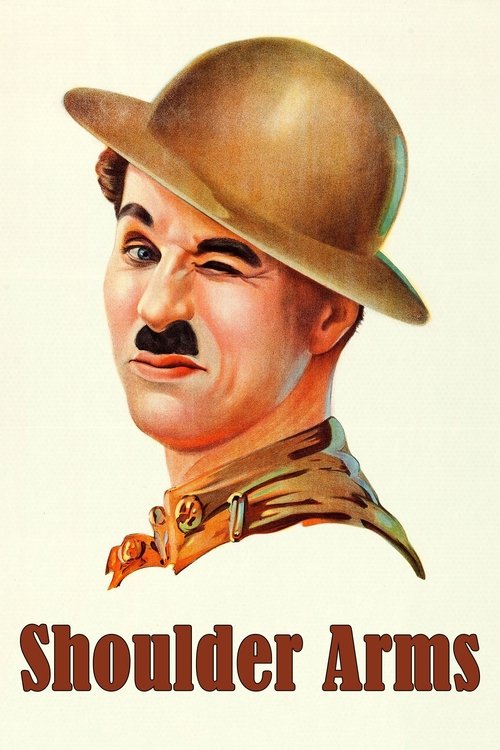
A Charlie Chaplin comedy set during World War I, released just weeks before the Armistice. Chaplin's Little Fellow enlists in the army, endures the absurdities of military training, and is sent to the trenches of France, where his bumbling courage leads him to capture a group of German soldiers and infiltrate enemy lines. The film was a risky proposition—making comedy out of an ongoing war—but it was a enormous hit with both audiences and soldiers, who appreciated its humane, anti-authoritarian spirit. Chaplin's genius for finding comedy in adversity is on full display, particularly in the famous sequence where he sleeps in a flooded trench while standing upright. The film is in the public domain.
Comedy · War · Silent
Shoulder Arms
1918 - Comedy
Comedy, Silent
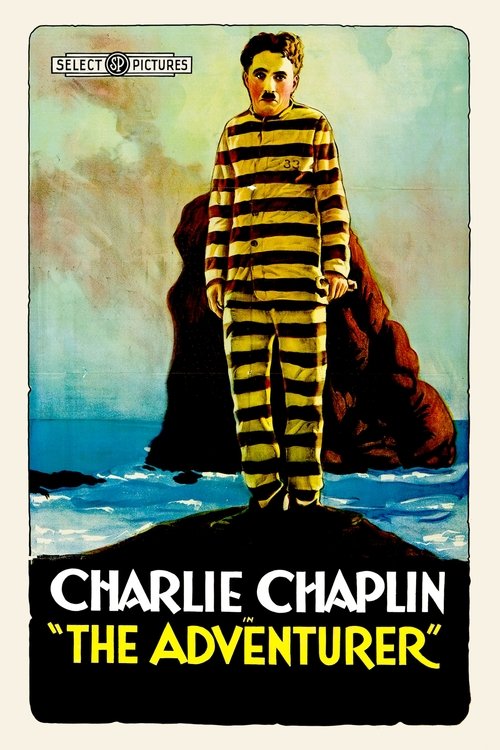
The last of Charlie Chaplin's twelve Mutual comedies, directed by and starring Chaplin. He plays an escaped convict who rescues a wealthy family from a cave-in and is taken in as their butler. His new respectability is threatened when a detective recognizes him, leading to a spectacular chase through the city and down to the docks. The film features some of Chaplin's most celebrated physical sequences, including the famous opening escape along a cliffside and the dockside finale where he balances on a rolling barrel. The Mutual shorts are widely considered the finest work of Chaplin's early career, and The Adventurer is a fitting capstone. The film is in the public domain.
Comedy · Silent
The Adventurer
1917 - Comedy
Comedy, Silent
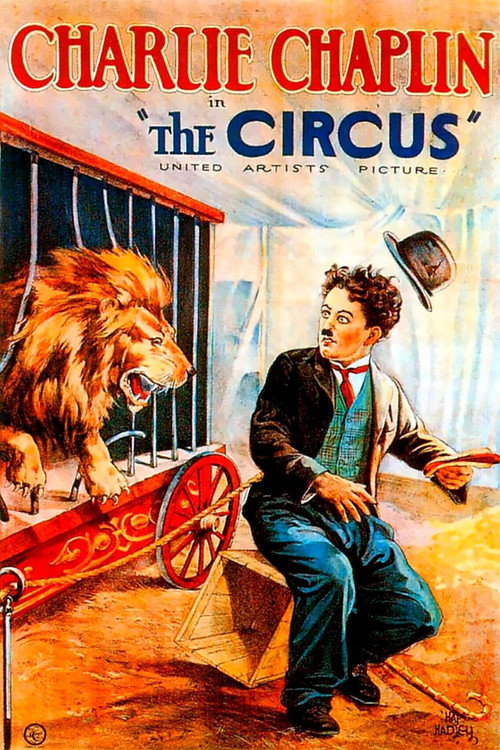
Chaplin's Tramp stumbles into a circus and accidentally becomes the star of the show. The audience laughs at him, not with his act but at his bumbling, and the ringmaster realizes the Tramp is the draw. The Tramp himself is oblivious, thinking he is a serious performer. He falls for the ringmaster's daughter, who in turn falls for the tightrope walker. Chaplin produced, directed, wrote, edited, and starred in the film, and composed the score years later. It won an Academy Award for versatility and genius in acting, writing, directing, and producing.
Comedy · Silent
The Circus
1928 - Comedy
Comedy, Silent
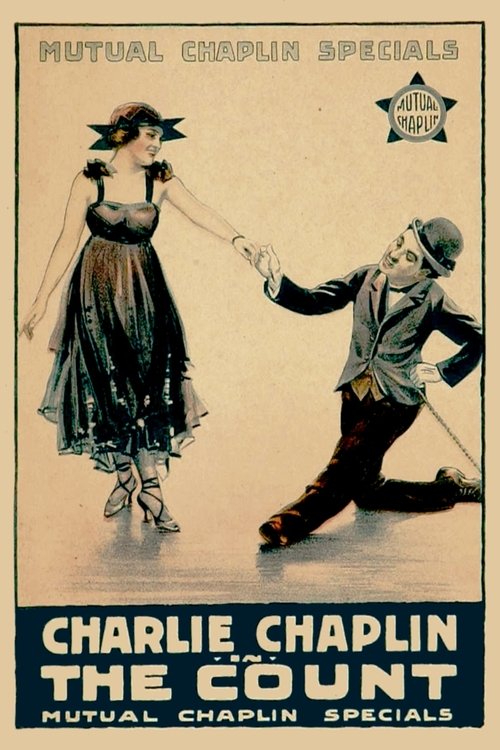
A Mutual two-reeler and one of the best of Chaplin's 1916 run. Charlie is a tailor's apprentice who burns a count's trousers with a hot iron and gets fired; the tailor then sneaks off to impersonate the count at a society party, and Charlie turns up in the same borrowed identity. Eric Campbell, Chaplin's towering half-courted villain of the Mutual years, plays the rival suitor, and Edna Purviance is the object of everyone's attention. The party sequence — Charlie dancing, wolfing food off other people's plates, and dodging Campbell — is some of the purest slapstick he ever filmed. As a work published before 1930, it is in the public domain in the United States.
Comedy · Silent
The Count
1916 - Comedy
Comedy, Silent
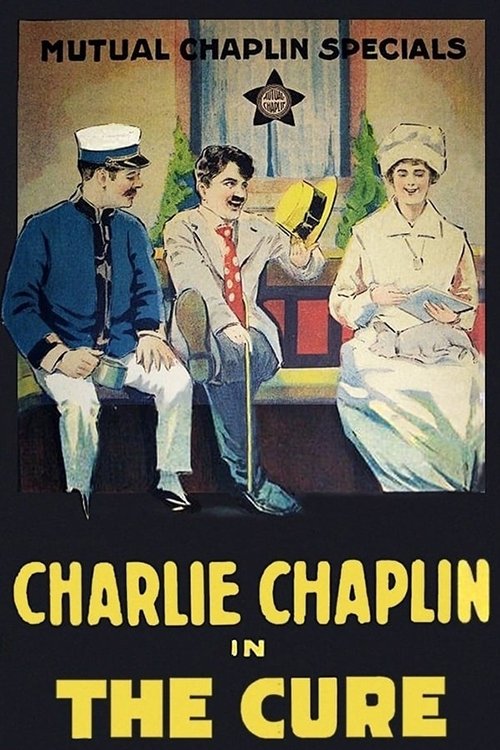
A Charlie Chaplin short from his Mutual period, directed by and starring Chaplin. He plays a wealthy alcoholic who arrives at a spa to dry out, bringing a trunk full of liquor instead of luggage. His attempts to "cure" himself are undermined by his own ingenuity, as he shares his stash with the other patients and undermines the spa's strict regimen. The film features one of Chaplin's most celebrated comic devices—the revolving door—and a famous sequence where he accidentally gets everyone drunk at the health spa. The film's gentle satire of wellness culture and its inventive physical comedy make it one of the highlights of the Mutual series. The film is in the public domain.
Comedy · Silent
The Cure
1917 - Comedy
Comedy, Adventure
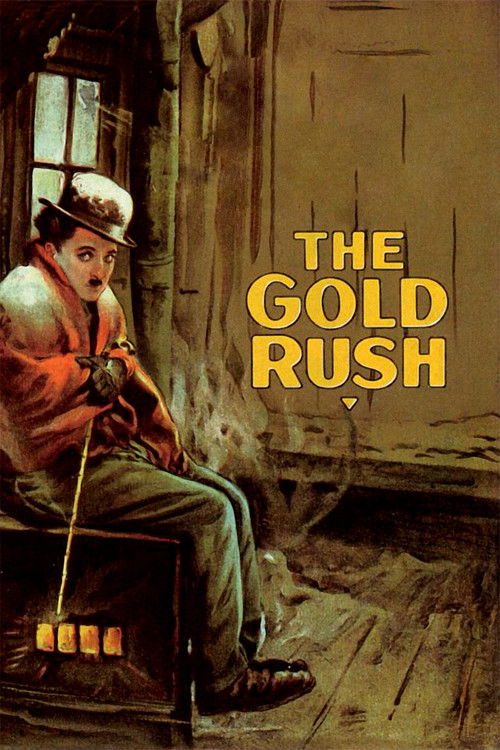
Charlie Chaplin's Little Tramp heads to the Klondike during the gold rush and finds himself stranded in a remote cabin through a blizzard, starving alongside a towering prospector named Big Jim McKay. The famous sequence of Chaplin boiling and eating his boot, twirling the laces like spaghetti, began here. The film follows the prospector into a frontier town, where he falls for a dance-hall girl named Georgia and tries, mostly badly, to win her regard. Chaplin wrote, directed, produced, scored, and starred, and the production was enormous: a full Alaskan town built on a Hollywood backlot, real location work in the Sierra Nevada, and a shoot that ran more than a year. The result is the film Chaplin said he most wanted to be remembered by. Published in 1925, it is in the public domain in the United States.
Comedy · Adventure · Silent
The Gold Rush
1925 - Comedy
Comedy, Drama
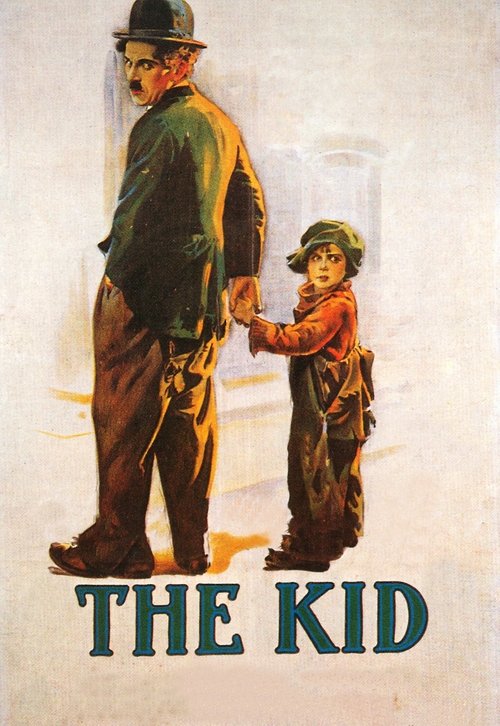
Charlie Chaplin's first feature film and one of the greatest films of the silent era. The Tramp discovers an abandoned baby in an alley and, after trying to leave it, raises the boy as his own. Five years later, the Kid (Jackie Coogan) is his partner in a glass-replacing scam, and the two share a tender, scrappy life together. When the boy falls ill and welfare officials try to take him away, the Tramp fights to keep him. Chaplin balanced broad comedy with genuine pathos, and Coogan's performance made him the first major child star in film history. The dream sequence, in which Chaplin imagines heaven as a rooftop populated by angels and devils, is one of the most imaginative passages in silent cinema. The film was co-founded through United Artists, the distribution company Chaplin had helped create in 1919. As a work published before 1930, it is in the public domain in the United States.
Comedy · Drama · Silent
The Kid
1921 - Comedy
Comedy, Silent
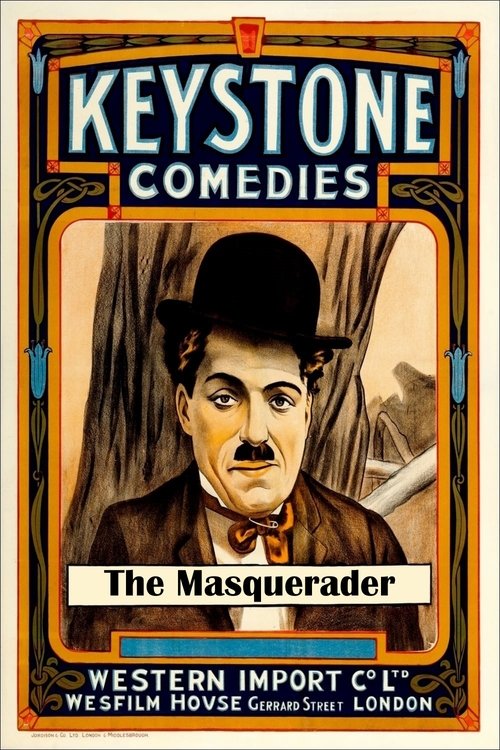
A Keystone one-reeler from Charlie Chaplin's first year in pictures, set behind the scenes at a movie studio — a sly bit of self-reference from Mack Sennett's comedy factory. Chaplin plays a film actor who keeps ruining takes until the director fires him; he returns in drag as a strikingly elegant actress and turns the set upside down before being unmasked. Roscoe "Fatty" Arbuckle and Chester Conklin play fellow actors, and the studio door glimpsed in the film is Keystone's own. Written and directed by Chaplin in 1914, it is in the public domain in the United States.
Comedy · Silent
The Masquerader
1914 - Comedy
Comedy, Silent
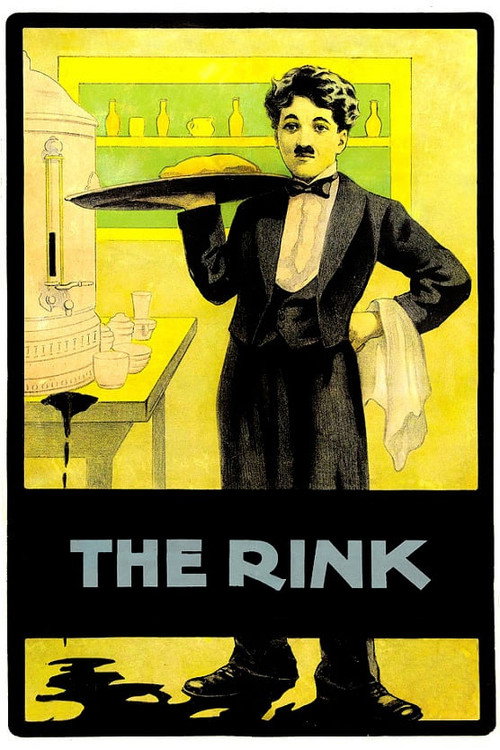
A short Chaplin two-reeler. The Tramp works as a waiter, makes a mess of things, then goes to a roller skating rink where he causes more chaos. The skating scenes are genuinely impressive; Chaplin was a skilled skater and does his own stunts. The film was based on a sketch called "Skating Rinks" that Chaplin had performed on stage before he went into films. At 24 minutes it is a quick watch and a good introduction to Chaplin's silent short work for anyone who has only seen his features.
Comedy · Silent
The Rink
1916 - Comedy
Comedy, Silent
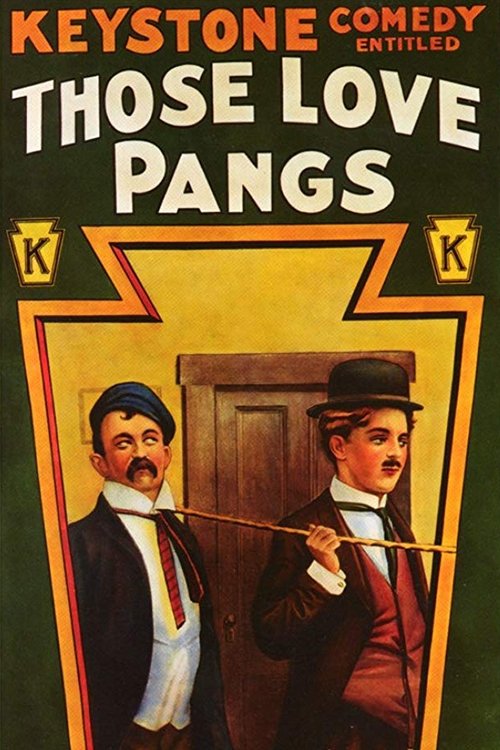
One of the Keystone one-reelers Charlie Chaplin directed as well as starred in during his astonishing first year in pictures, Those Love Pangs — released in some markets as The Rival Mashers — casts Chaplin and Chester Conklin as competing mashers who chase the same girls through a park and into a movie theater, where the brawl that erupts in front of the screen mirrors the slapstick playing on it. Chaplin was still refining the Tramp here, but the short already shows his gift for building gags on top of gags. Made for Mack Sennett's Keystone Studios in 1914, it is in the public domain in the United States.
Comedy · Silent
Those Love Pangs
1914 - Comedy
Produced
Comedy, Silent
Chaplin's Tramp stumbles into a circus and accidentally becomes the star of the show. The audience laughs at him, not with his act but at his bumbling, and the ringmaster realizes the Tramp is the draw. The Tramp himself is oblivious, thinking he is a serious performer. He falls for the ringmaster's daughter, who in turn falls for the tightrope walker. Chaplin produced, directed, wrote, edited, and starred in the film, and composed the score years later. It won an Academy Award for versatility and genius in acting, writing, directing, and producing.
Comedy · Silent
The Circus
1928 - Comedy
Comedy, Drama
Charlie Chaplin's first feature film and one of the greatest films of the silent era. The Tramp discovers an abandoned baby in an alley and, after trying to leave it, raises the boy as his own. Five years later, the Kid (Jackie Coogan) is his partner in a glass-replacing scam, and the two share a tender, scrappy life together. When the boy falls ill and welfare officials try to take him away, the Tramp fights to keep him. Chaplin balanced broad comedy with genuine pathos, and Coogan's performance made him the first major child star in film history. The dream sequence, in which Chaplin imagines heaven as a rooftop populated by angels and devils, is one of the most imaginative passages in silent cinema. The film was co-founded through United Artists, the distribution company Chaplin had helped create in 1919. As a work published before 1930, it is in the public domain in the United States.
Comedy · Drama · Silent
The Kid
1921 - Comedy
Acted In
Comedy, Silent
Chaplin's spoof of Cecil B. DeMille's Carmen, released the same year as the film it mocks. Chaplin plays Darn Hosiery, the Don José figure — a dim Spanish officer seduced and ruined by the gypsy Carmen (Edna Purviance) — with Ben Turpin as the toreador Remendado, mangling his name in the bargain. The parody is affectionate but pointed, and its mock-tragic ending is a real gag rather than a whimper. Essanay later padded the two-reeler out to four reels with discarded footage for a 1918 re-release, prompting Chaplin to sue the studio; most surviving prints derive from that expanded version. As a work published before 1930, it is in the public domain in the United States.
Comedy · Silent
A Burlesque on Carmen
1915 - as Darn Hosiery
Comedy, Silent
A Charlie Chaplin Essanay comedy in which the Tramp disrupts a family outing in the park. After charming a young woman and infuriating her father and suitor, Chaplin retreats to a hotel where he encounters the family again. In the film's famous sequence, Chaplin disguises himself as a woman to evade pursuit, leading to a farcical series of mistaken identities and flirtations—including the girl's father making advances toward the cross-dressed Tramp. The film showcases Chaplin's mastery of gender-bending comedy, a device he would refine throughout his career. The film is in the public domain.
Comedy · Silent
A Woman
1915 - as The Tramp
Comedy, Silent
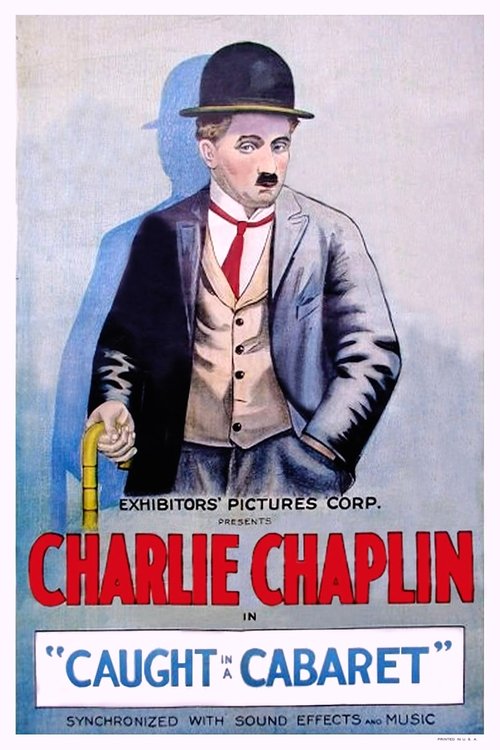
Charlie Chaplin plays a waiter at a cheap cabaret who passes himself off to a society girl as a foreign dignitary, then has to juggle both lives when her wealthy family invites him to a garden party. The imposture collapses in a brawl back at the cabaret, with Mabel Normand's character watching her two worlds collide. Made at Keystone in Chaplin's first year on screen, the film was directed by Normand, his co-star, though Chaplin later claimed he had taken over direction himself. Whoever called the shots, it is an early showcase for the Tramp's gift for turning class resentment into slapstick. A 1914 release, it is in the public domain.
Comedy · Silent
Caught in a Cabaret
1914 - as Waiter
Comedy, Silent
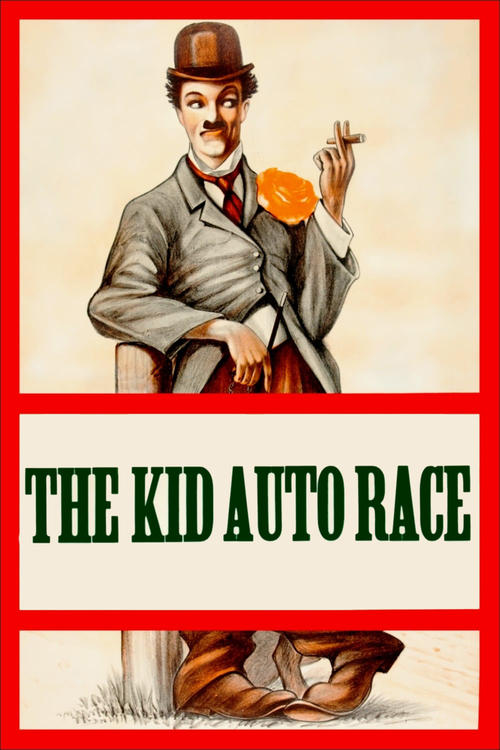
The film that introduced the world to Charlie Chaplin's Tramp character. Chaplin plays a spectator at a children's soapbox derby in Venice, California, who keeps wandering into the frame of a newsreel camera, annoying the filmmaker and the crowd. The Tramp's costume—bowler hat, tight jacket, baggy pants, cane, and mustache—appears here for the first time, though the character's personality was still rough and improvisational. The film was shot in a single day at an actual soapbox derby, with Chaplin improvising his gags amid real crowds who didn't know they were watching cinema history. The film is in the public domain.
Comedy · Silent
Kid Auto Races at Venice
1914 - as The Tramp
Comedy, Silent
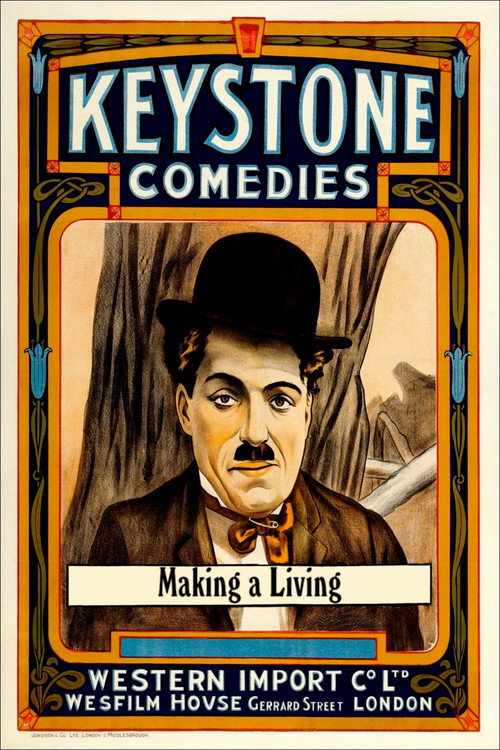
Charlie Chaplin's very first film, directed by Henry Lehrman for Keystone Studios. Chaplin plays a smooth-talking swindler who competes with another man for the affections of a woman, then fakes his own death to get a newspaper story published. The character is not yet the Tramp—Chaplin wears a top hat, frock coat, and monocle, and his performance is broad and stagey, still rooted in the music hall tradition. Chaplin was reportedly unhappy with Lehrman's direction and editing, and the experience motivated him to demand creative control over his subsequent films, leading to the revolution in screen comedy that followed. The film is in the public domain.
Comedy · Silent
Making a Living
1914 - as A Swindler
Comedy, Silent
Chaplin's last film for Essanay before he jumped to Mutual for ten times the salary. Released from prison, Chaplin's ex-convict is determined to go straight, but the world won't let him: a bogus parson swindles him out of what little money he has, and an old cellmate ropes him into a bungled burglary. Inside the house, the family's daughter (Edna Purviance) takes pity on the would-be thief, giving the short a surprising streak of sympathy for its outcast hero. Less frenetic than the earlier Essanays, Police points toward the blend of slapstick and sentiment Chaplin would perfect at Mutual. As a work published before 1930, it is in the public domain in the United States.
Comedy · Silent
Police
1916 - as Charlie, Convict 999
Comedy, War
A Charlie Chaplin comedy set during World War I, released just weeks before the Armistice. Chaplin's Little Fellow enlists in the army, endures the absurdities of military training, and is sent to the trenches of France, where his bumbling courage leads him to capture a group of German soldiers and infiltrate enemy lines. The film was a risky proposition—making comedy out of an ongoing war—but it was a enormous hit with both audiences and soldiers, who appreciated its humane, anti-authoritarian spirit. Chaplin's genius for finding comedy in adversity is on full display, particularly in the famous sequence where he sleeps in a flooded trench while standing upright. The film is in the public domain.
Comedy · War · Silent
Shoulder Arms
1918 - as The Doughboy
Comedy, Silent
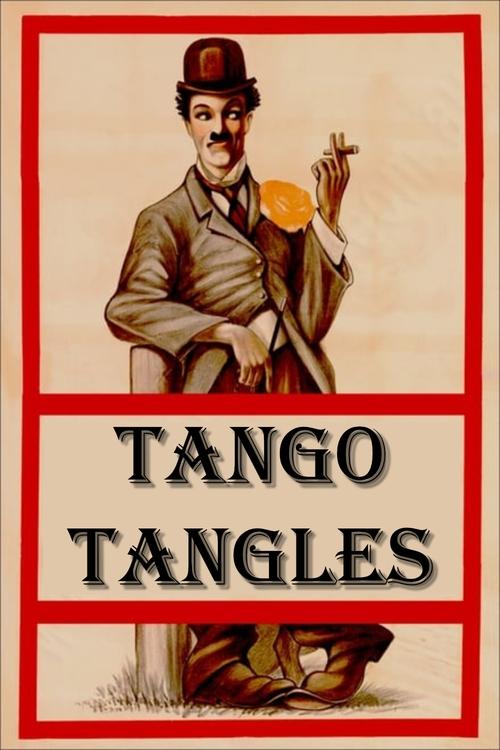
A Keystone comedy directed by Mack Sennett, featuring Charlie Chaplin and Roscoe "Fatty" Arbuckle together on screen. Set in a dance hall, the film features Chaplin as a troublemaker who disrupts the dancing, while Arbuckle appears as a large, clumsy tango enthusiast. The film is a rough, raw example of the Keystone style—fast, chaotic, and full of physical mayhem—made before Chaplin developed the Tramp character that would make him world-famous. Seeing Chaplin and Arbuckle together is a rare treat; both would go on to become two of the most important figures in silent comedy. The film is in the public domain.
Comedy · Silent
Tango Tangles
1914 - as The Tramp
Comedy, Silent
The last of Charlie Chaplin's twelve Mutual comedies, directed by and starring Chaplin. He plays an escaped convict who rescues a wealthy family from a cave-in and is taken in as their butler. His new respectability is threatened when a detective recognizes him, leading to a spectacular chase through the city and down to the docks. The film features some of Chaplin's most celebrated physical sequences, including the famous opening escape along a cliffside and the dockside finale where he balances on a rolling barrel. The Mutual shorts are widely considered the finest work of Chaplin's early career, and The Adventurer is a fitting capstone. The film is in the public domain.
Comedy · Silent
The Adventurer
1917 - as The Convict
Comedy, Silent
Chaplin's Tramp stumbles into a circus and accidentally becomes the star of the show. The audience laughs at him, not with his act but at his bumbling, and the ringmaster realizes the Tramp is the draw. The Tramp himself is oblivious, thinking he is a serious performer. He falls for the ringmaster's daughter, who in turn falls for the tightrope walker. Chaplin produced, directed, wrote, edited, and starred in the film, and composed the score years later. It won an Academy Award for versatility and genius in acting, writing, directing, and producing.
Comedy · Silent
The Circus
1928 - as The Tramp
Comedy, Silent
A Mutual two-reeler and one of the best of Chaplin's 1916 run. Charlie is a tailor's apprentice who burns a count's trousers with a hot iron and gets fired; the tailor then sneaks off to impersonate the count at a society party, and Charlie turns up in the same borrowed identity. Eric Campbell, Chaplin's towering half-courted villain of the Mutual years, plays the rival suitor, and Edna Purviance is the object of everyone's attention. The party sequence — Charlie dancing, wolfing food off other people's plates, and dodging Campbell — is some of the purest slapstick he ever filmed. As a work published before 1930, it is in the public domain in the United States.
Comedy · Silent
The Count
1916 - as Tailor's Apprentice
Comedy, Silent
A Charlie Chaplin short from his Mutual period, directed by and starring Chaplin. He plays a wealthy alcoholic who arrives at a spa to dry out, bringing a trunk full of liquor instead of luggage. His attempts to "cure" himself are undermined by his own ingenuity, as he shares his stash with the other patients and undermines the spa's strict regimen. The film features one of Chaplin's most celebrated comic devices—the revolving door—and a famous sequence where he accidentally gets everyone drunk at the health spa. The film's gentle satire of wellness culture and its inventive physical comedy make it one of the highlights of the Mutual series. The film is in the public domain.
Comedy · Silent
The Cure
1917 - as The Inebriate
Comedy, Adventure
Charlie Chaplin's Little Tramp heads to the Klondike during the gold rush and finds himself stranded in a remote cabin through a blizzard, starving alongside a towering prospector named Big Jim McKay. The famous sequence of Chaplin boiling and eating his boot, twirling the laces like spaghetti, began here. The film follows the prospector into a frontier town, where he falls for a dance-hall girl named Georgia and tries, mostly badly, to win her regard. Chaplin wrote, directed, produced, scored, and starred, and the production was enormous: a full Alaskan town built on a Hollywood backlot, real location work in the Sierra Nevada, and a shoot that ran more than a year. The result is the film Chaplin said he most wanted to be remembered by. Published in 1925, it is in the public domain in the United States.
Comedy · Adventure · Silent
The Gold Rush
1925 - as The Lone Prospector
Comedy, Drama
Charlie Chaplin's first feature film and one of the greatest films of the silent era. The Tramp discovers an abandoned baby in an alley and, after trying to leave it, raises the boy as his own. Five years later, the Kid (Jackie Coogan) is his partner in a glass-replacing scam, and the two share a tender, scrappy life together. When the boy falls ill and welfare officials try to take him away, the Tramp fights to keep him. Chaplin balanced broad comedy with genuine pathos, and Coogan's performance made him the first major child star in film history. The dream sequence, in which Chaplin imagines heaven as a rooftop populated by angels and devils, is one of the most imaginative passages in silent cinema. The film was co-founded through United Artists, the distribution company Chaplin had helped create in 1919. As a work published before 1930, it is in the public domain in the United States.
Comedy · Drama · Silent
The Kid
1921 - as The Tramp
Comedy, Silent
A Keystone one-reeler from Charlie Chaplin's first year in pictures, set behind the scenes at a movie studio — a sly bit of self-reference from Mack Sennett's comedy factory. Chaplin plays a film actor who keeps ruining takes until the director fires him; he returns in drag as a strikingly elegant actress and turns the set upside down before being unmasked. Roscoe "Fatty" Arbuckle and Chester Conklin play fellow actors, and the studio door glimpsed in the film is Keystone's own. Written and directed by Chaplin in 1914, it is in the public domain in the United States.
Comedy · Silent
The Masquerader
1914 - as Film actor
Comedy, Silent
A short Chaplin two-reeler. The Tramp works as a waiter, makes a mess of things, then goes to a roller skating rink where he causes more chaos. The skating scenes are genuinely impressive; Chaplin was a skilled skater and does his own stunts. The film was based on a sketch called "Skating Rinks" that Chaplin had performed on stage before he went into films. At 24 minutes it is a quick watch and a good introduction to Chaplin's silent short work for anyone who has only seen his features.
Comedy · Silent
The Rink
1916 - as The Tramp
Comedy, Silent
One of the Keystone one-reelers Charlie Chaplin directed as well as starred in during his astonishing first year in pictures, Those Love Pangs — released in some markets as The Rival Mashers — casts Chaplin and Chester Conklin as competing mashers who chase the same girls through a park and into a movie theater, where the brawl that erupts in front of the screen mirrors the slapstick playing on it. Chaplin was still refining the Tramp here, but the short already shows his gift for building gags on top of gags. Made for Mack Sennett's Keystone Studios in 1914, it is in the public domain in the United States.
Comedy · Silent
Those Love Pangs
1914 - as Masher
Comedy
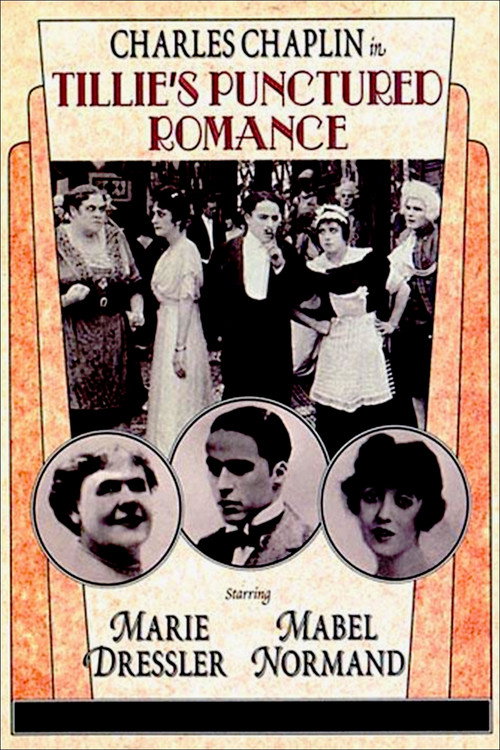
Tillie's Punctured Romance is a 1914 silent comedy film directed by Mack Sennett for Keystone Studios, distributed by Mutual Film. The first feature-length comedy ever made, it stars Charlie Chaplin (in his first feature role), Marie Dressler, and Mabel Normand. Chaplin plays a city con man who seduces a farmer's daughter (Dressler) for her money, only to abandon her when he discovers she's been disinherited. The film was based on Dressler's stage success Tillie's Nightmare and was a massive hit, helping establish Chaplin as a major star. As a 1914 work, the film is in the public domain.
Comedy
Tillie's Punctured Romance
1914 - as The City Guy