Buster Keaton
63 credits on HibingeTV
American actor, director, and comedian. Born Joseph Keaton in 1895, he was one of the three great masters of silent comedy alongside Charlie Chaplin and Harold Lloyd. His deadpan expression, which earned him the nickname "The Great Stone Face," became his trademark. He directed and starred in a string of features in the 1920s, including The General (1926), Sherlock Jr. (1924), and Steamboat Bill, Jr. (1928), performing his own increasingly dangerous stunts. His career declined with the coming of sound, but his work was rediscovered in the 1950s and he worked in film and television until his death in 1966.
Directed
Comedy, Silent
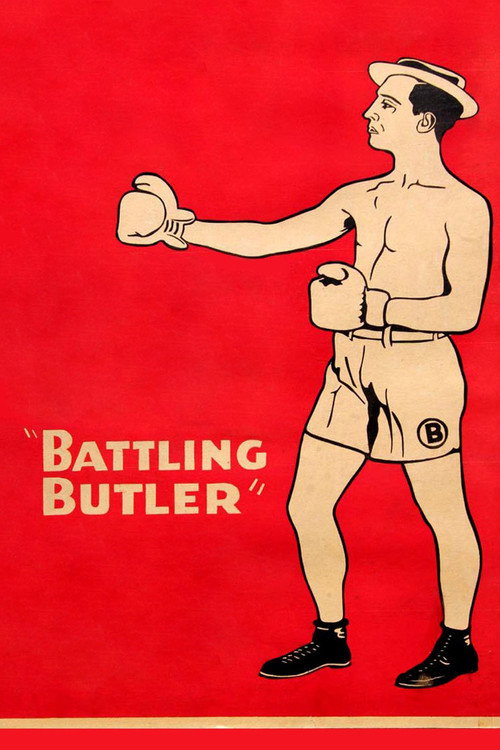
A pampered millionaire named Alfred Butler goes on a camping trip to toughen up and falls for a mountain girl who has no patience for his softness. To win her, Alfred passes himself off as a famous boxer who happens to share his name, and the impersonation spirals toward a real fight he has no hope of winning. Buster Keaton directed and stars, and the film is one of his more plot-driven features, leaning on mistaken identity rather than pure stunt work. It was Keaton's highest-grossing picture at the box office, even if it is less celebrated today than The General or Sherlock Jr. The film entered the public domain in the United States in 2022.
Comedy · Silent
Battling Butler
1926 - Comedy
Comedy, Silent
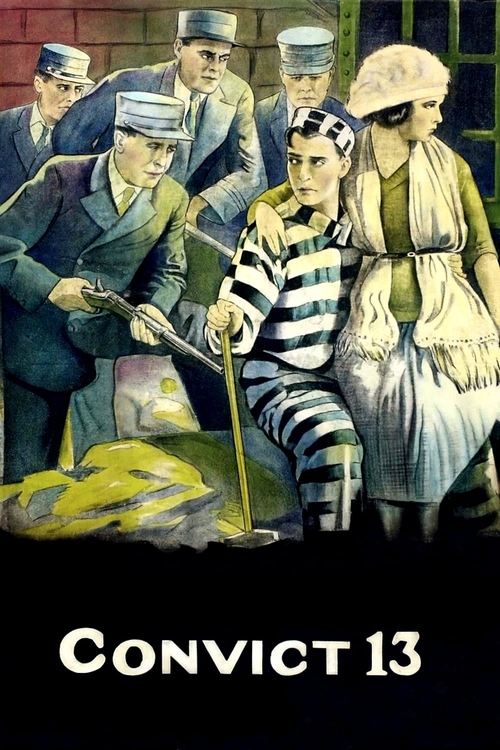
A Buster Keaton short co-directed with Edward F. Cline. Keaton plays a young man who is mistaken for an escaped convict and sentenced to death. After a series of chaotic prison sequences—including a golf game with a noose around his neck—he escapes and tries to rescue his girlfriend from a gang of criminals. The film features some of Keaton's most audacious physical gags, including a scene where he is nearly hanged for real when the prop rope was accidentally replaced with a real one. The film is in the public domain.
Comedy · Silent
Convict 13
1920 - Comedy
Comedy, Silent
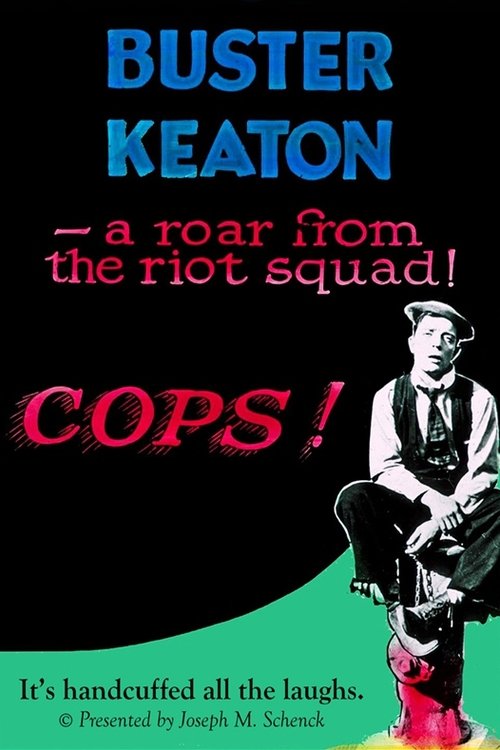
One of Buster Keaton's greatest short comedies, co-directed with Edward F. Cline. Keaton plays a young man trying to win the hand of his girlfriend, whose father insists he must become a successful businessman first. Through a series of mishaps involving a stolen wallet, a horse-drawn wagon of furniture, and a lit bomb, Keaton finds himself pursued through the streets of Los Angeles by the entire Keystone Kops-style police force—hundreds of officers in a escalating chase of breathtaking choreography. The film's famous opening, with Keaton rejected behind a gated door, and its apocalyptic climax, with cops everywhere, make it one of the most perfectly constructed chase comedies ever made. The film is in the public domain.
Comedy · Silent
Cops
1922 - Comedy
Comedy, Silent
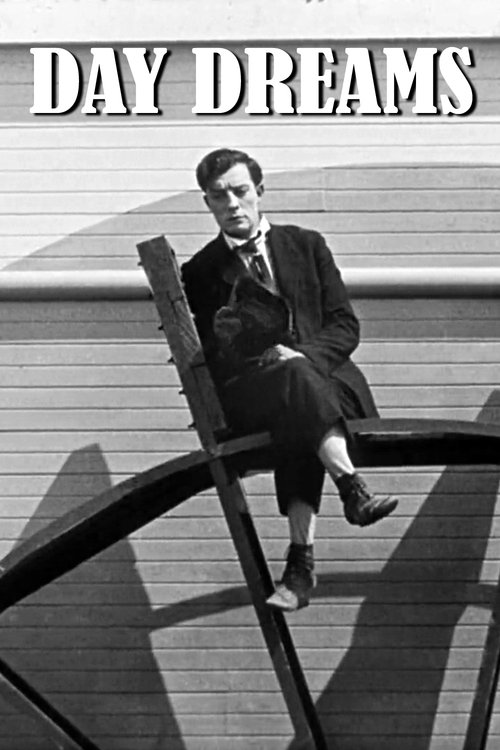
A Buster Keaton short co-directed with Edward F. Cline. Keaton plays a young man who travels to the city to make his fortune, promising to send for his girlfriend once he succeeds. Each letter he writes home describes a glamorous new career—as a steam room attendant, a street cleaner, and an amusement park ride operator—but the reality is far less impressive. The film's structure, alternating between the girlfriend's romantic fantasies and the grim truth of Keaton's menial jobs, creates a comic tension between aspiration and reality. Though not as celebrated as Keaton's other 1922 shorts, it features excellent physical comedy and a memorable amusement park sequence. The film is in the public domain.
Comedy · Silent
Day Dreams
1922 - Comedy
Comedy, Action
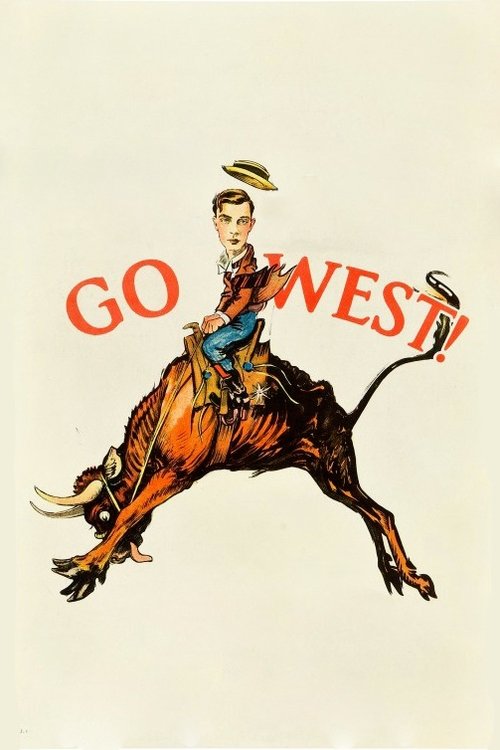
A broke wanderer hops a freight train west and lands a job on a ranch where he is hopeless at everything, until he forms a bond with a dairy cow named Brown Eyes. When the herd is shipped to market, Friendless goes along to protect his companion, and the climax turns into a stampede through downtown Los Angeles as hundreds of cattle thunder through city streets and department stores. The sequence is an enormous practical stunt staged in real streets with a real herd. Keaton wrote, directed, and starred, and the film is unusually warm for him, built around a man and a cow rather than a romance. The film is in the public domain in the United States.
Comedy · Action · Adventure · Silent
Go West
1925 - Comedy
Comedy, Silent
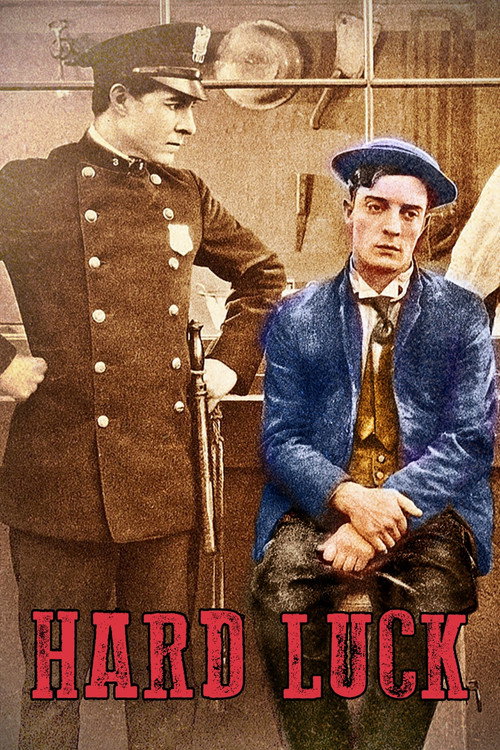
A Buster Keaton short co-directed with Edward F. Cline. Keaton plays a down-on-his-luck man who decides to end it all, but every suicide attempt fails spectacularly—he can't even drown properly. A series of opportunities to better his situation arise, each ending in comic disaster, until he finally finds success in the most unlikely way. The film's famous ending—a wild diving stunt gone wrong—was considered lost for decades and was only rediscovered in the 1990s, making the film complete again. Keaton reportedly considered this his favorite of his short comedies. The film is in the public domain.
Comedy · Silent
Hard Luck
1921 - Comedy
Comedy, Silent
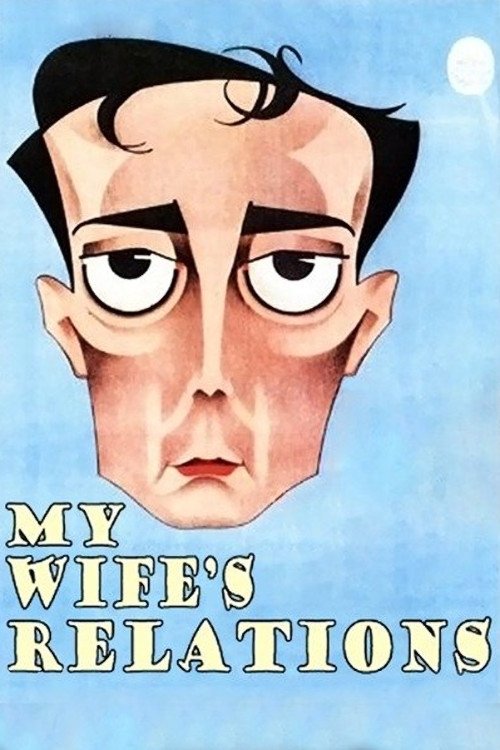
A Buster Keaton short co-directed with Edward F. Cline. Keaton plays a hapless man who is tricked into marrying a woman from a large, combative family of roughnecks. The in-laws torment him relentlessly, but when a bootlegger hides a stash of liquor in their house, Keaton's ingenuity turns the tables on his tormentors. The film's comic premise—Keaton as the outnumbered outsider in a hostile household—allows for a cascade of physical gags and clever set pieces. The film is in the public domain.
Comedy · Silent
My Wife's Relations
1922 - Comedy
Comedy, Silent
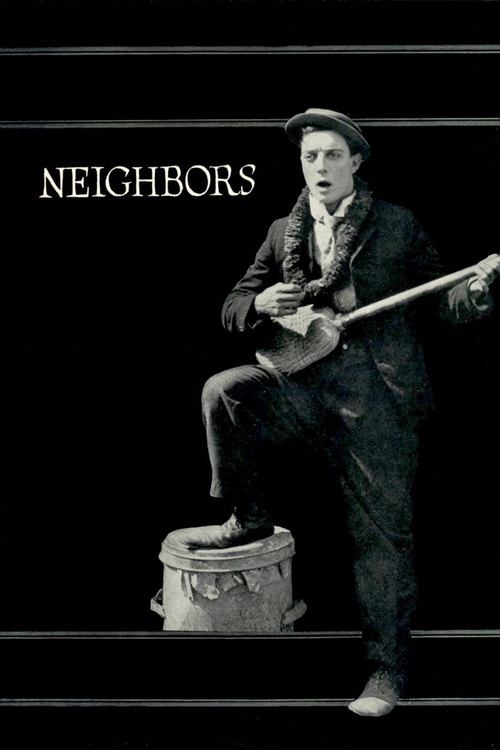
A Buster Keaton short co-directed with Edward F. Cline, often described as a comic Romeo and Juliet. Keaton plays a young man in love with the girl next door, but their families are feuding and have built a fence between their tenement houses. The boy's attempts to reach his beloved involve increasingly elaborate acrobatic stunts, including a spectacular sequence where Keaton is tossed back and forth between the two families like a human projectile. The film's blend of romantic longing and breathtaking physical comedy makes it one of Keaton's most charming early shorts. The film is in the public domain.
Comedy · Silent
Neighbors
1920 - Comedy
Comedy, Silent
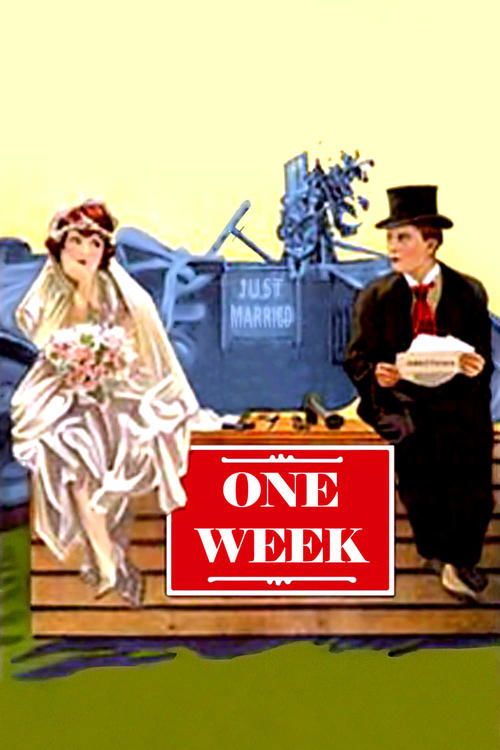
Widely considered one of the greatest comedy shorts ever made, One Week was Buster Keaton's first independent release as a director-star. A newlywed couple receives a prefabricated house in a box, with instructions to assemble it in one week. But a jealous rival has tampered with the numbering, and the resulting house is a surreal architectural nightmare—walls where doors should be, stairs leading nowhere, and a facade that defies gravity. The film culminates in one of Keaton's most celebrated sequences: the house, caught in a storm, is swept onto train tracks and demolished by a locomotive. Keaton's engineering genius and deadpan physical comedy are on full display in every frame. The film was selected for the National Film Registry in 2008. The film is in the public domain.
Comedy · Silent
One Week
1920 - Comedy
Comedy, Action
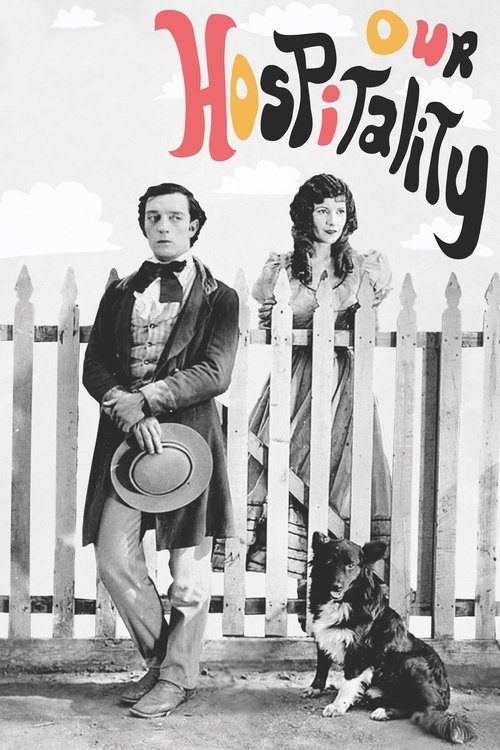
Willie McKay travels south to claim his inheritance, unaware that his family has been locked in a generations-long feud with the Canfields. On the journey he meets and falls for Virginia Canfield, and is invited to the Canfield home, where the men want to kill him but southern hospitality forbids them from shooting a guest under their own roof. Willie stretches his stay as long as he can, then escapes into a chase that moves to a river, where he dangles from a rope over a waterfall and swings to rescue Virginia from the rapids. The falls and cliff stunts were done for real. Keaton's own father, Joe Keaton, plays the train engineer, and his wife Natalie Talmadge plays the lead. The film is in the public domain.
Comedy · Action · Romance · Silent
Our Hospitality
1923 - Comedy
Comedy, Action
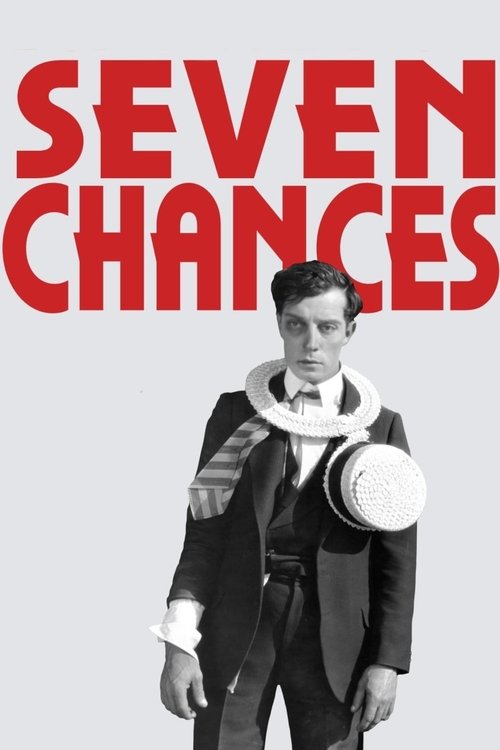
A young broker learns he will inherit seven million dollars only if he is married by seven o'clock that evening. His proposal to his longtime sweetheart goes badly, so his business partner puts an ad in the paper, and soon hundreds of would-be brides in wedding veils descend on the church. Jimmie spends the second half of the film running for his life through the city, chased by the brides and then by a cascading avalanche of boulders that he dodges down a hillside in one of the great chase sequences in silent comedy. Keaton reportedly disliked the play the film was based on but bought it anyway, then let his gag men rework it. The boulder chase grew organically from a handful of rocks into the famous stampede.
Comedy · Action · Romance · Silent
Seven Chances
1925 - Comedy
Comedy, Action
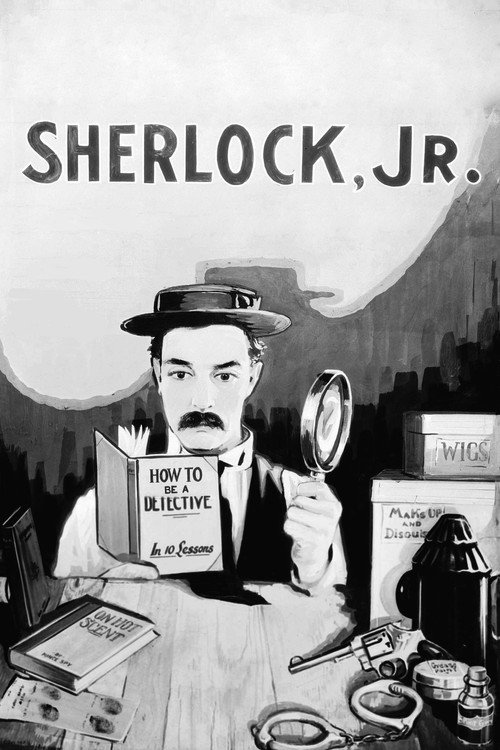
A projectionist who dreams of being a detective is framed for a theft he did not commit and banished by his rival. Back in the booth he falls asleep and walks into the film on screen, becoming the world's greatest detective, Sherlock Jr. The movie inside the movie is a parade of stunts, including a famous sequence where Keaton rides on the handlebars of a motorcycle through traffic, unaware the driver has fallen off. The scene where the screen keeps cutting to new locations while Keaton stays in place was one of the earliest jokes about editing itself. Keaton wrote, directed, and performed his own stunts, and broke his neck on the water-tower gag without realizing it for years.
Comedy · Action · Silent
Sherlock Jr.
1924 - Comedy
Comedy, Silent
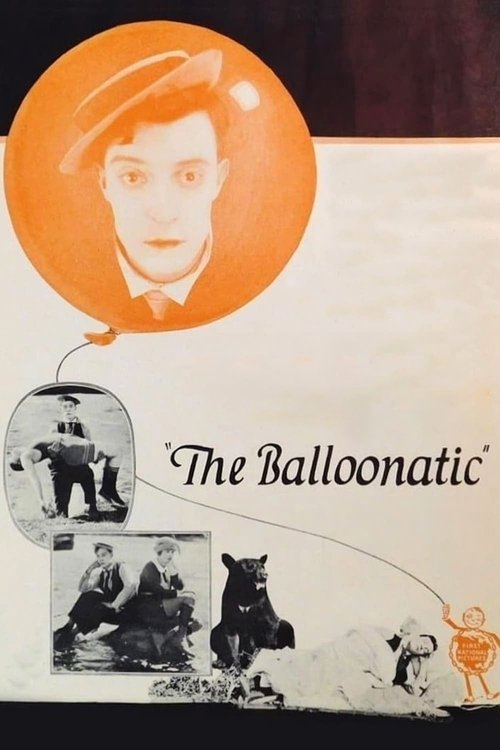
A Buster Keaton short co-directed with Edward F. Cline. Keaton plays a young man who wanders into a balloon and accidentally launches himself into the sky. He crash-lands in the wilderness, where he encounters a young woman and demonstrates his survival skills—or lack thereof. The film features a series of inventive gags involving canoes, fishing, and campfire cooking, all executed with Keaton's trademark deadpan precision. Though one of his lesser-known shorts, The Balloonatic showcases Keaton's ability to find comedy in any setting, from the sky to the rapids. The film is in the public domain.
Comedy · Silent · Adventure
The Balloonatic
1923 - Comedy
Comedy, Silent
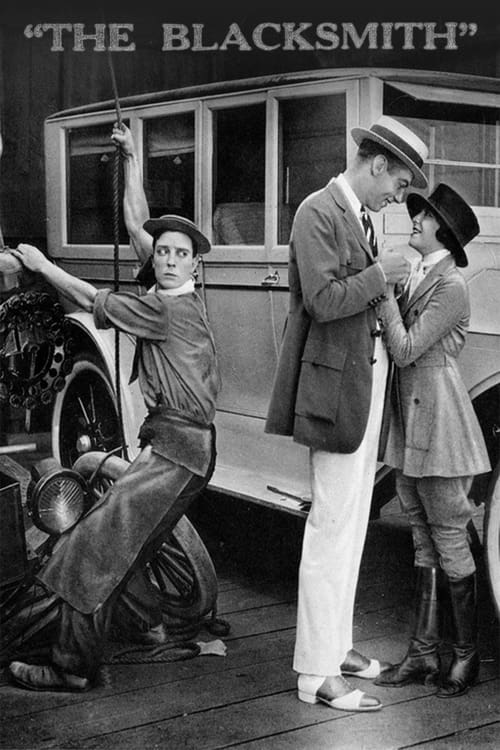
Buster Keaton plays the long-suffering assistant to a monumental blacksmith (Joe Roberts) in this two-reel silent comedy co-directed with Malcolm St. Clair. In twenty minutes Keaton wrecks a Rolls-Royce, mis-shoes a horse, turns the shop's anvil into a weapon, and woos the local girl (Virginia Fox) through escalating disaster. The film is packed with signature Keaton engineering gags — the hinged car body, the horse that lifts a customer skyward — and a nude-statue routine that got the short censored in some territories. Made at the peak of Keaton's shorts period for producer Joseph M. Schenck, a year before he moved into features. Published in 1922, it is in the public domain in the United States.
Comedy · Silent
The Blacksmith
1922 - Comedy
Comedy, Silent
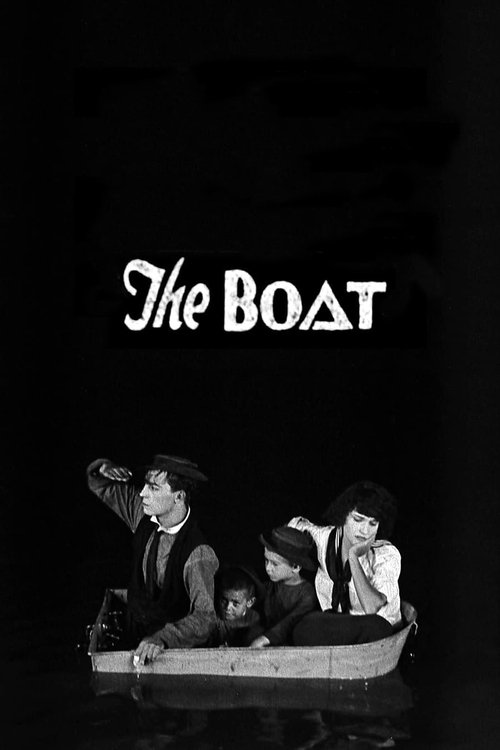
A Buster Keaton short co-directed with Edward F. Cline. Keaton plays a man who builds a boat—the "Damfino"—in his basement, only to discover it's too large to fit through the door. After demolishing his house to get it out, he launches the vessel with his family aboard, and things go from bad to worse as the boat proves spectacularly unseaworthy. The film's nautical gags showcase Keaton's gift for engineering-driven comedy, with each mechanical failure cascading into the next. The name "Damfino" (a play on "damn if I know") becomes the film's running punchline, uttered by Keaton each time disaster strikes. The film is in the public domain.
Comedy · Silent
The Boat
1921 - Comedy
Comedy, Silent
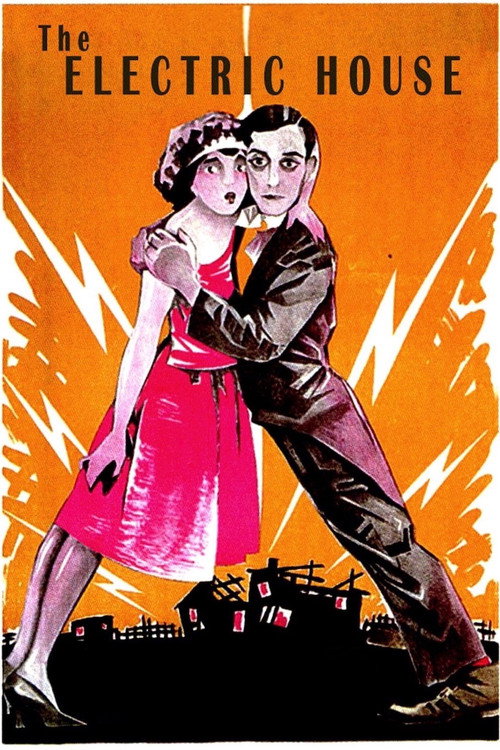
A Buster Keaton short co-directed with Edward F. Cline. Keaton plays a botanist who, through a mix-up, is hired to electrify a wealthy man's house. He installs a series of automated gadgets—an escalator staircase, a self-setting dinner table, a motorized pool table—that all go hilariously wrong. The film is a showcase for Keaton's engineering ingenuity, with each mechanical contraption designed to fail in the most spectacular way possible. The escalator sequence, where Keaton is repeatedly carried up and dumped back down the stairs, is one of his most celebrated mechanical gags. The film is in the public domain.
Comedy · Silent
The Electric House
1922 - Comedy
Comedy, Western
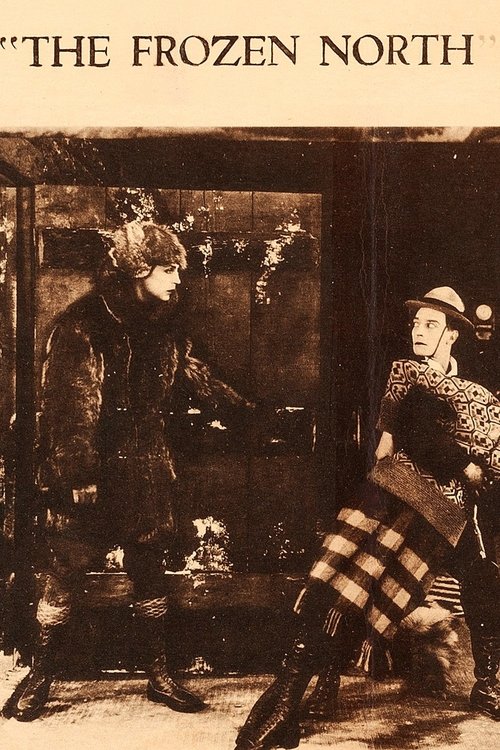
The Frozen North is a 1922 silent comedy short co-directed by and starring Buster Keaton, with Edward F. Cline. Keaton parodies William S. Hart's Western films, playing a rugged cowboy who arrives in a frozen northern landscape and attempts a series of Western-movie tropes with disastrous results. The short is notable for its surreal humor and self-referential gags, including Keaton breaking the fourth wall. As a 1922 work, the film is in the public domain.
Comedy · Western
The Frozen North
1922 - Comedy
Comedy, Action
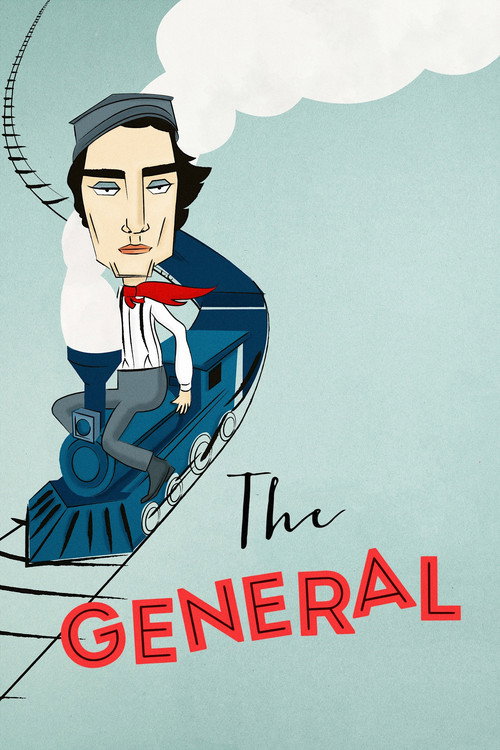
Johnnie Gray is a railroad engineer in the South who is turned down for service when the Civil War breaks out because he is more useful driving trains than fighting. His sweetheart thinks he is a coward. Union spies steal his locomotive, The General, with Annabelle on board, and Johnnie gives chase in another engine. The chase runs in both directions and is built almost entirely from real trains, real track, and real stunts, with no miniatures. The famous shot of a locomotive plunging into a river was a single take with a real engine, and the wreckage sat in the river for years. The film was a commercial disappointment on release but is now regarded as one of the greatest comedies ever made. Buster Keaton produced, directed, and starred, and performed his own stunts.
Comedy · Action · Silent
The General
1926 - Comedy
Comedy
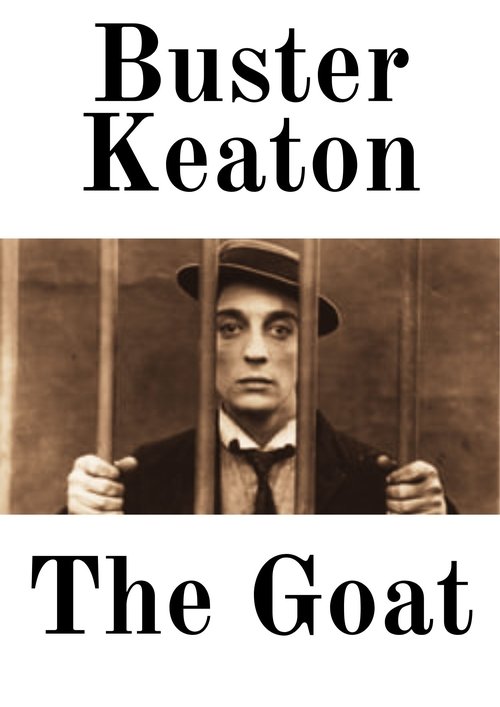
The Goat is a 1921 silent comedy short co-directed by and starring Buster Keaton, with Malcolm St. Clair. Through a series of mistaken identities, Keaton becomes wanted as both a criminal and a dead man. The short features some of Keaton's most inventive chase sequences and visual gags, including a memorable scene where Keaton escapes on a motorcycle. As a 1921 work, the film is in the public domain.
Comedy
The Goat
1921 - Comedy
Comedy, Horror
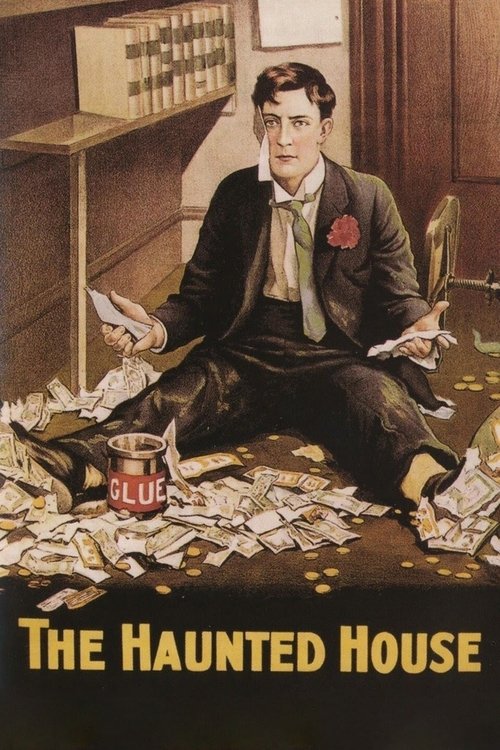
The Haunted House is a 1921 silent comedy short co-directed by and starring Buster Keaton, with Edward F. Cline. Keaton plays a bank clerk who ends up in a haunted house that is actually a front for a counterfeiting operation. The short features elaborate mechanical gags, including a collapsing staircase and a series of trap doors, as well as a memorable dream sequence where Keaton goes to heaven and hell. As a 1921 work, the film is in the public domain.
Comedy · Horror
The Haunted House
1921 - Comedy
Comedy, Crime
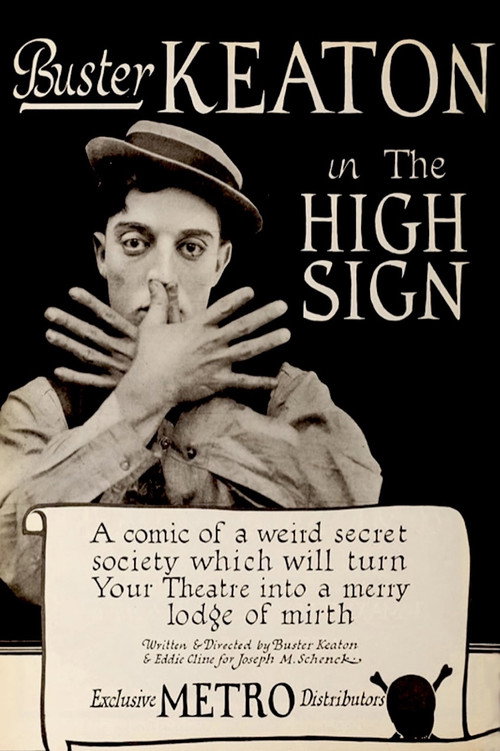
The High Sign is a 1921 silent comedy short co-directed by and starring Buster Keaton, with Edward F. Cline. Although made first, Keaton shelved it, considering it too close to his earlier Arbuckle-era style, and it was released later the same year. Keaton plays a drifter who joins a secret society called the Blinking Buzzards and is hired to assassinate a wealthy man, only to end up protecting him instead. The short features Keaton's famous homemade newspaper-reading gag. As a 1921 work, the film is in the public domain.
Comedy · Crime
The High Sign
1921 - Comedy
Comedy
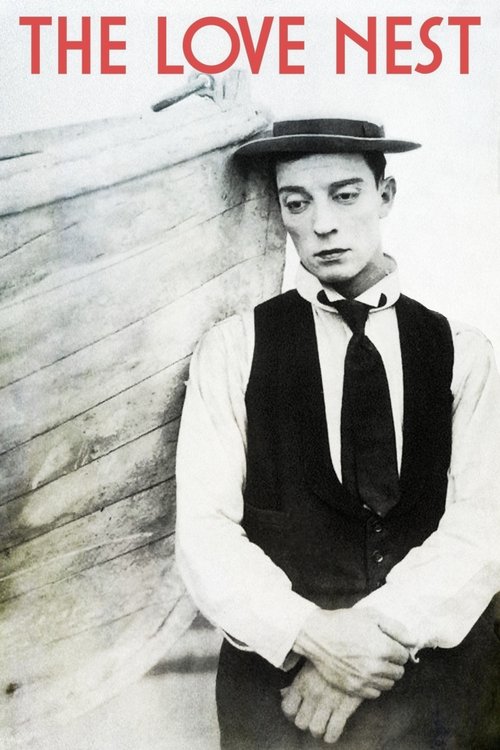
The Love Nest is a 1923 silent comedy short co-directed by and starring Buster Keaton, with Edward F. Cline. Keaton sets out to sea on a whaling ship to forget his romantic troubles, only to encounter a brutal captain who throws crew members overboard at the slightest provocation. The short features Keaton's inventive physical comedy aboard the ship, including a memorable gag with a hatchet. This was Keaton's last independent two-reel comedy before moving on to feature films. The film is in the public domain.
Comedy
The Love Nest
1923 - Comedy
Comedy, Action
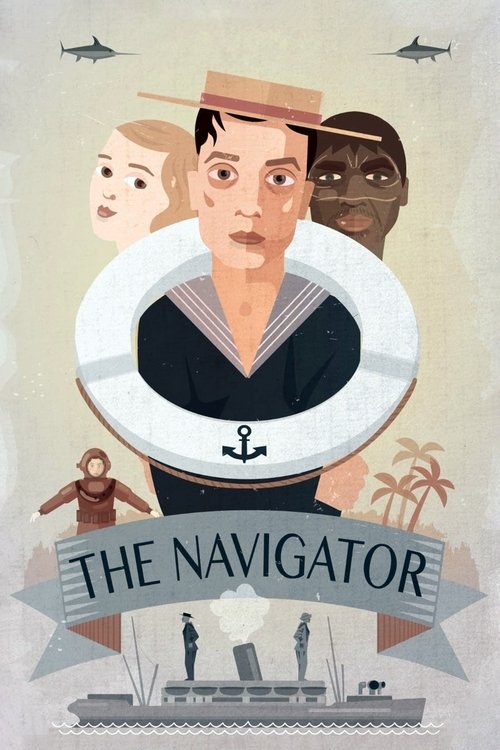
A spoiled rich man and the woman who turned down his proposal end up alone together on an abandoned ocean liner drifting out to sea. Neither can cook, open a can, or manage the simplest chore, and the comedy comes from watching two helpless people improvise a household on an enormous scale, rigging kitchen gadgets with ropes and pulleys. When the ship drifts near a cannibal island, Rollo has to fend off boarders in a deep-sea diving suit, and the famous underwater sequences were filmed in a real tank with Keaton inside the heavy gear. The ship was a real decommissioned passenger liner the production bought for the shoot. Keaton co-directed with Donald Crisp and performed his own stunts.
Comedy · Action · Silent
The Navigator
1924 - Comedy
Comedy, Western
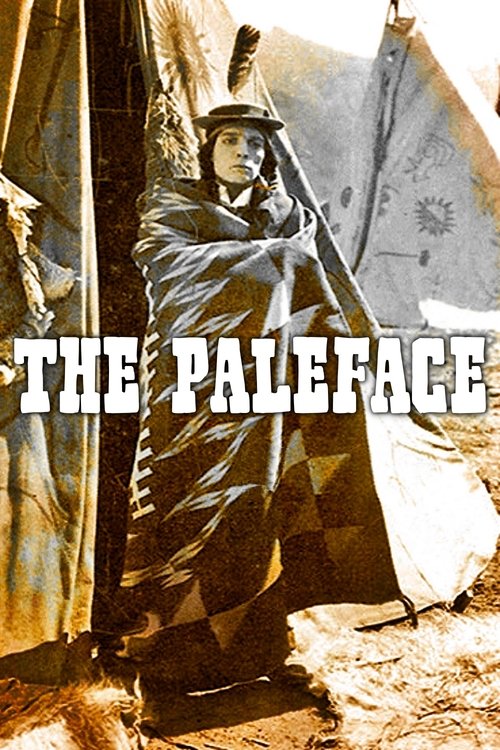
The Paleface is a 1922 silent comedy short co-directed by and starring Buster Keaton, with Edward F. Cline. Keaton plays a butterfly collector who wanders into a Western town and is captured by cannibal Indians. When he discovers their land is being stolen by corrupt oil prospectors, he helps the tribe expose the scheme. The short features Keaton's trademark physical comedy and deadpan reactions in a Western setting. As a 1922 work, the film is in the public domain.
Comedy · Western
The Paleface
1922 - Comedy
Comedy
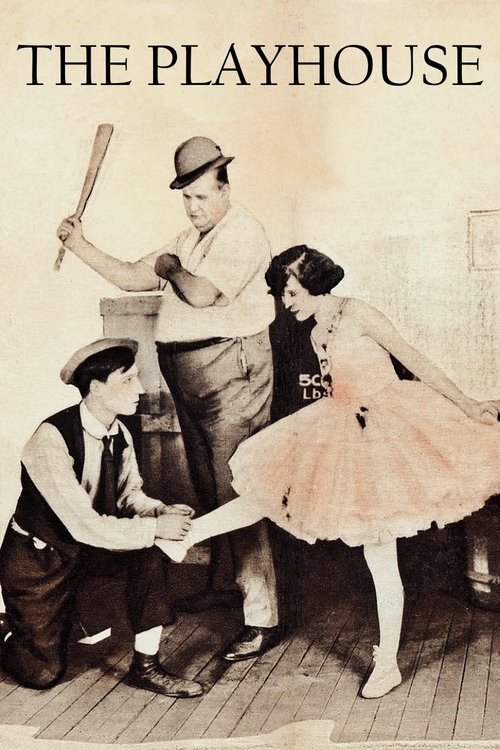
The Playhouse is a 1921 silent comedy short co-directed by and starring Buster Keaton, with Edward F. Cline. The film opens with a famous dream sequence in which Keaton plays every role in a theater — the audience, the orchestra, the performers, the stagehands, and even a monkey. The sequence was achieved through multiple exposure, with Keaton filming the same scene dozens of times. After the dream, the film follows Keaton as a stagehand pursuing a romance with an actress. The opening sequence is widely regarded as one of the greatest technical achievements of the silent era. The film is in the public domain.
Comedy
The Playhouse
1921 - Comedy
Comedy
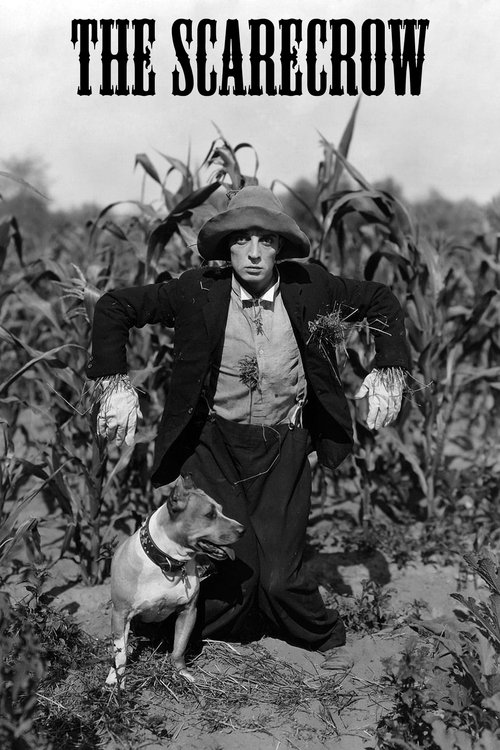
The Scarecrow is a 1920 silent comedy short co-directed by and starring Buster Keaton, with Edward F. Cline. Keaton and Joe Roberts play farmhands sharing a room filled with Rube Goldberg-style space-saving contraptions. When Keaton is chased by Roberts after a misunderstanding involving Roberts' daughter, he disguises himself as a scarecrow. The short features one of Keaton's most celebrated chase sequences and a memorable scene where he runs through a house while it collapses around him. As a 1920 work, the film is in the public domain.
Comedy
The Scarecrow
1920 - Comedy
Comedy, Romance
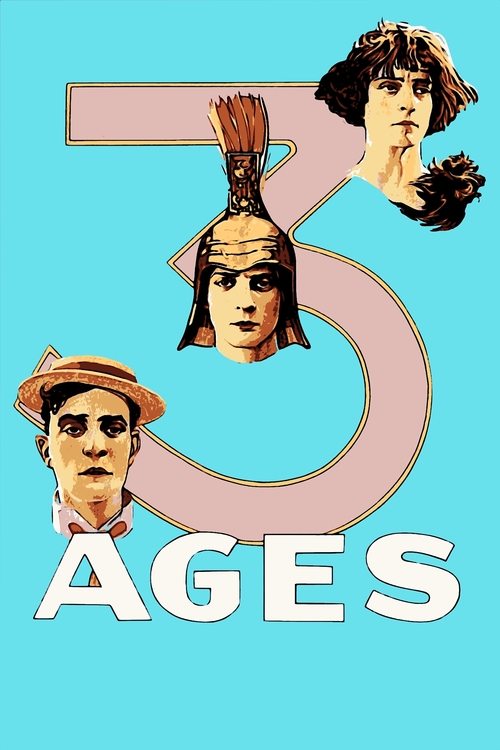
Three Ages is a 1923 silent comedy feature co-directed by and starring Buster Keaton, with Edward F. Cline. Keaton's first feature film, it parodies D.W. Griffith's Intolerance by telling three parallel love stories set in the Stone Age, the Roman era, and the modern age. In each segment, Keaton competes with a larger, more formidable rival for the affections of a woman. The film was designed so that the three segments could be released separately as two-reelers if the feature format proved unsuccessful. The film is in the public domain.
Comedy · Romance
Three Ages
1923 - Comedy
Produced
Acted In
Comedy, Silent
A pampered millionaire named Alfred Butler goes on a camping trip to toughen up and falls for a mountain girl who has no patience for his softness. To win her, Alfred passes himself off as a famous boxer who happens to share his name, and the impersonation spirals toward a real fight he has no hope of winning. Buster Keaton directed and stars, and the film is one of his more plot-driven features, leaning on mistaken identity rather than pure stunt work. It was Keaton's highest-grossing picture at the box office, even if it is less celebrated today than The General or Sherlock Jr. The film entered the public domain in the United States in 2022.
Comedy · Silent
Battling Butler
1926 - as Alfred Butler
Comedy, Action
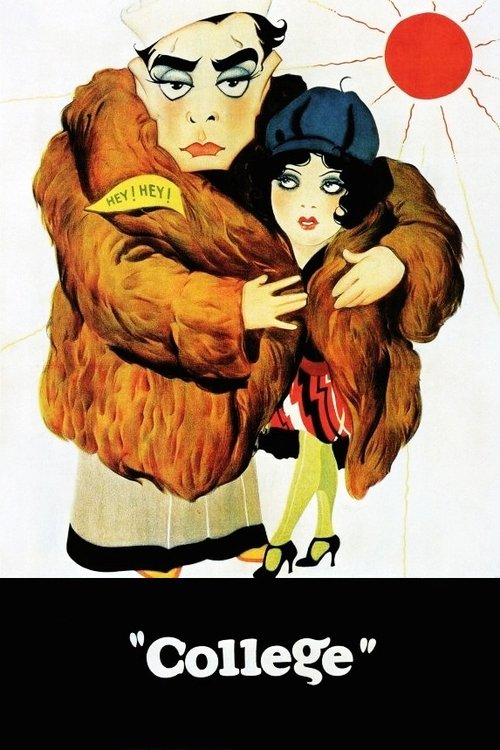
A bookish high school graduate gives a graduation speech condemning athletics, which costs him the girl, who prefers the jock. Ronald follows her to college and tries to win her back by joining every sports team on campus, failing at baseball, track, and rowing in a string of set pieces built around his total lack of athletic ability. When the girl is threatened by the school bully, Ronald finally gets to act instead of fumble, sprinting and pole-vaulting across campus in a rescue that reuses every sport he failed at earlier. James W. Horne directed, with Keaton producing and doing his own stunts, including the pole vault into a second-story window. The film is in the public domain in the United States.
Comedy · Action · Silent
College
1927 - as Ronald
Comedy, Silent
A Buster Keaton short co-directed with Edward F. Cline. Keaton plays a young man who is mistaken for an escaped convict and sentenced to death. After a series of chaotic prison sequences—including a golf game with a noose around his neck—he escapes and tries to rescue his girlfriend from a gang of criminals. The film features some of Keaton's most audacious physical gags, including a scene where he is nearly hanged for real when the prop rope was accidentally replaced with a real one. The film is in the public domain.
Comedy · Silent
Convict 13
1920 - as The Young Man
Comedy, Silent
One of Buster Keaton's greatest short comedies, co-directed with Edward F. Cline. Keaton plays a young man trying to win the hand of his girlfriend, whose father insists he must become a successful businessman first. Through a series of mishaps involving a stolen wallet, a horse-drawn wagon of furniture, and a lit bomb, Keaton finds himself pursued through the streets of Los Angeles by the entire Keystone Kops-style police force—hundreds of officers in a escalating chase of breathtaking choreography. The film's famous opening, with Keaton rejected behind a gated door, and its apocalyptic climax, with cops everywhere, make it one of the most perfectly constructed chase comedies ever made. The film is in the public domain.
Comedy · Silent
Cops
1922 - as The Young Man
Comedy, Silent
A Buster Keaton short co-directed with Edward F. Cline. Keaton plays a young man who travels to the city to make his fortune, promising to send for his girlfriend once he succeeds. Each letter he writes home describes a glamorous new career—as a steam room attendant, a street cleaner, and an amusement park ride operator—but the reality is far less impressive. The film's structure, alternating between the girlfriend's romantic fantasies and the grim truth of Keaton's menial jobs, creates a comic tension between aspiration and reality. Though not as celebrated as Keaton's other 1922 shorts, it features excellent physical comedy and a memorable amusement park sequence. The film is in the public domain.
Comedy · Silent
Day Dreams
1922 - as The Young Man
Comedy, War
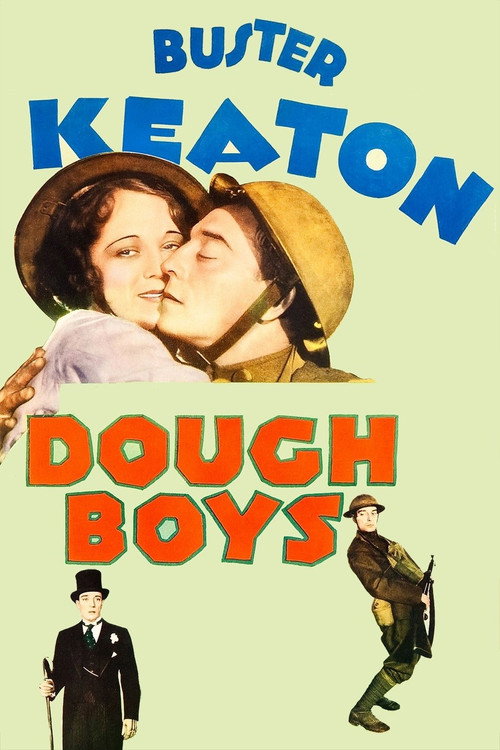
Buster Keaton's most successful sound picture, directed by Edward Sedgwick for MGM. Keaton plays Elmer J. Butts, a wealthy young man who accidentally enlists in the army during World War I after trying to follow his girlfriend's brother into the service. Through a series of mix-ups, the hapless millionaire finds himself in the trenches of France, where his ineptitude becomes an asset. The film was Keaton's biggest box office success of the sound era, though by his own account he had minimal creative control—the gags were largely devised by Sedgwick and the MGM story department. Still, Keaton's physical comedy shines through, particularly in a memorable sequence where he disguises himself as a tree. The film is in the public domain.
Comedy · War
Doughboys
1930 - as Elmer J. Butts
Comedy, Action
A broke wanderer hops a freight train west and lands a job on a ranch where he is hopeless at everything, until he forms a bond with a dairy cow named Brown Eyes. When the herd is shipped to market, Friendless goes along to protect his companion, and the climax turns into a stampede through downtown Los Angeles as hundreds of cattle thunder through city streets and department stores. The sequence is an enormous practical stunt staged in real streets with a real herd. Keaton wrote, directed, and starred, and the film is unusually warm for him, built around a man and a cow rather than a romance. The film is in the public domain in the United States.
Comedy · Action · Adventure · Silent
Go West
1925 - as Friendless
Comedy, Silent
A Buster Keaton short co-directed with Edward F. Cline. Keaton plays a down-on-his-luck man who decides to end it all, but every suicide attempt fails spectacularly—he can't even drown properly. A series of opportunities to better his situation arise, each ending in comic disaster, until he finally finds success in the most unlikely way. The film's famous ending—a wild diving stunt gone wrong—was considered lost for decades and was only rediscovered in the 1990s, making the film complete again. Keaton reportedly considered this his favorite of his short comedies. The film is in the public domain.
Comedy · Silent
Hard Luck
1921 - as The Young Man
Comedy, Romance
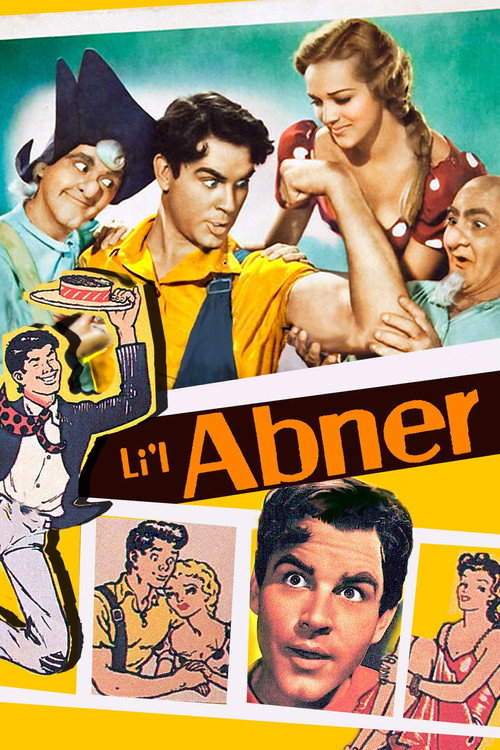
The first screen adaptation of Al Capp's wildly popular comic strip brings Dogpatch to life. Brawny, dim-witted Li'l Abner (Jeff York, billed as Granville Owen) spends his days dodging marriage-hungry Daisy Mae Scraggs (Martha O'Driscoll) while his Mammy (Mona Ray) rules the holler with a rolling pin. When a scientist discovers the Yokum family tonic could make millions, city slickers descend on Dogpatch just ahead of Sadie Hawkins Day. Silent comedy legend Buster Keaton steals scenes as the perpetually unlucky Lonesome Polecat. Produced by Vogue Pictures and released by RKO, the film's copyright was never renewed. It is in the public domain in the United States.
Comedy · Romance
Li'l Abner
1940 - as Lonesome Polecat
Comedy, Silent
A Buster Keaton short co-directed with Edward F. Cline. Keaton plays a hapless man who is tricked into marrying a woman from a large, combative family of roughnecks. The in-laws torment him relentlessly, but when a bootlegger hides a stash of liquor in their house, Keaton's ingenuity turns the tables on his tormentors. The film's comic premise—Keaton as the outnumbered outsider in a hostile household—allows for a cascade of physical gags and clever set pieces. The film is in the public domain.
Comedy · Silent
My Wife's Relations
1922 - as The Groom
Comedy, Silent
A Buster Keaton short co-directed with Edward F. Cline, often described as a comic Romeo and Juliet. Keaton plays a young man in love with the girl next door, but their families are feuding and have built a fence between their tenement houses. The boy's attempts to reach his beloved involve increasingly elaborate acrobatic stunts, including a spectacular sequence where Keaton is tossed back and forth between the two families like a human projectile. The film's blend of romantic longing and breathtaking physical comedy makes it one of Keaton's most charming early shorts. The film is in the public domain.
Comedy · Silent
Neighbors
1920 - as The Boy
Comedy, Silent
Widely considered one of the greatest comedy shorts ever made, One Week was Buster Keaton's first independent release as a director-star. A newlywed couple receives a prefabricated house in a box, with instructions to assemble it in one week. But a jealous rival has tampered with the numbering, and the resulting house is a surreal architectural nightmare—walls where doors should be, stairs leading nowhere, and a facade that defies gravity. The film culminates in one of Keaton's most celebrated sequences: the house, caught in a storm, is swept onto train tracks and demolished by a locomotive. Keaton's engineering genius and deadpan physical comedy are on full display in every frame. The film was selected for the National Film Registry in 2008. The film is in the public domain.
Comedy · Silent
One Week
1920 - as The Groom
Comedy, Action
Willie McKay travels south to claim his inheritance, unaware that his family has been locked in a generations-long feud with the Canfields. On the journey he meets and falls for Virginia Canfield, and is invited to the Canfield home, where the men want to kill him but southern hospitality forbids them from shooting a guest under their own roof. Willie stretches his stay as long as he can, then escapes into a chase that moves to a river, where he dangles from a rope over a waterfall and swings to rescue Virginia from the rapids. The falls and cliff stunts were done for real. Keaton's own father, Joe Keaton, plays the train engineer, and his wife Natalie Talmadge plays the lead. The film is in the public domain.
Comedy · Action · Romance · Silent
Our Hospitality
1923 - as Willie McKay
Comedy, Western
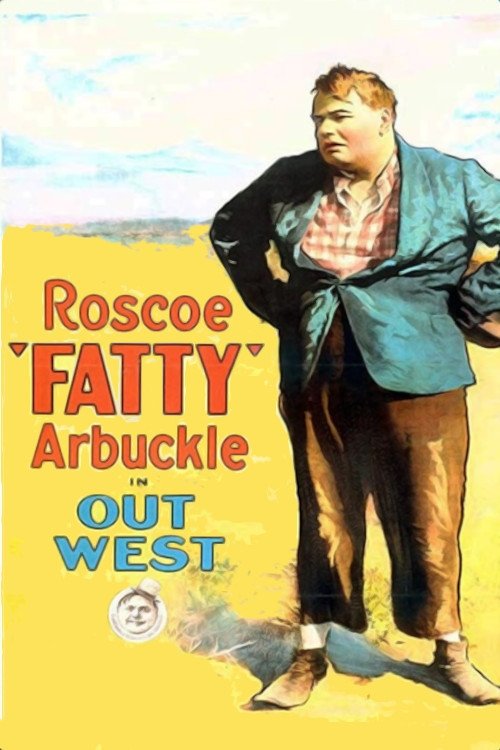
A silent Western comedy directed by and starring Roscoe "Fatty" Arbuckle, with Buster Keaton and Al St. John in supporting roles. The film is a parody of Western movie conventions, with Arbuckle as a drifter who arrives in a lawless frontier town, tangles with a saloon owner, and rescues a damsel in distress. Keaton, still in his early years as a supporting player in Arbuckle's Comique films, has a smaller role but already displays the comic precision that would make him a star. The film features the kind of rough-and-tumble slapstick that defined Arbuckle's Comique comedies, with plenty of barroom brawls, pratfalls, and visual gags. The film is in the public domain.
Comedy · Western · Silent
Out West
1918 - as Saloon patron
Comedy
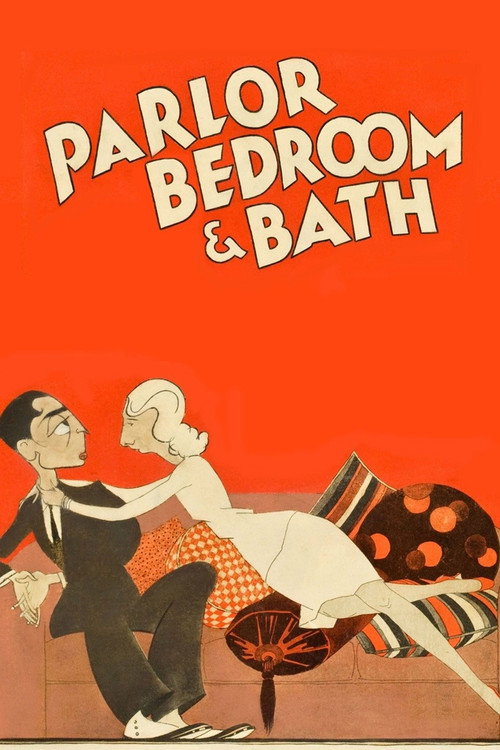
A Buster Keaton sound comedy directed by Edward Sedgwick for MGM. Keaton plays Reginald Irving, a hotel clerk who is recruited to impersonate a playboy in order to help a wealthy man convince his girlfriend's disapproving sister that he has a respectable friend. The scheme requires Irving to romance the sister, leading to a series of comic complications across multiple hotel rooms. The film is a bedroom farce in the classic mode, but Keaton's minimal creative control at MGM is evident—the gags are more dialogue-driven than his silent masterpieces, and his physical comedy is constrained by the studio's formula. Still, Keaton's timing and presence elevate the material above the average MGM comedy of the period. The film is in the public domain.
Comedy
Parlor, Bedroom and Bath
1931 - as Reginald Irving
Comedy, Action
A young broker learns he will inherit seven million dollars only if he is married by seven o'clock that evening. His proposal to his longtime sweetheart goes badly, so his business partner puts an ad in the paper, and soon hundreds of would-be brides in wedding veils descend on the church. Jimmie spends the second half of the film running for his life through the city, chased by the brides and then by a cascading avalanche of boulders that he dodges down a hillside in one of the great chase sequences in silent comedy. Keaton reportedly disliked the play the film was based on but bought it anyway, then let his gag men rework it. The boulder chase grew organically from a handful of rocks into the famous stampede.
Comedy · Action · Romance · Silent
Seven Chances
1925 - as Jimmie Shannon
Comedy, Action
A projectionist who dreams of being a detective is framed for a theft he did not commit and banished by his rival. Back in the booth he falls asleep and walks into the film on screen, becoming the world's greatest detective, Sherlock Jr. The movie inside the movie is a parade of stunts, including a famous sequence where Keaton rides on the handlebars of a motorcycle through traffic, unaware the driver has fallen off. The scene where the screen keeps cutting to new locations while Keaton stays in place was one of the earliest jokes about editing itself. Keaton wrote, directed, and performed his own stunts, and broke his neck on the water-tower gag without realizing it for years.
Comedy · Action · Silent
Sherlock Jr.
1924 - as The Projectionist / Sherlock Jr.
Comedy
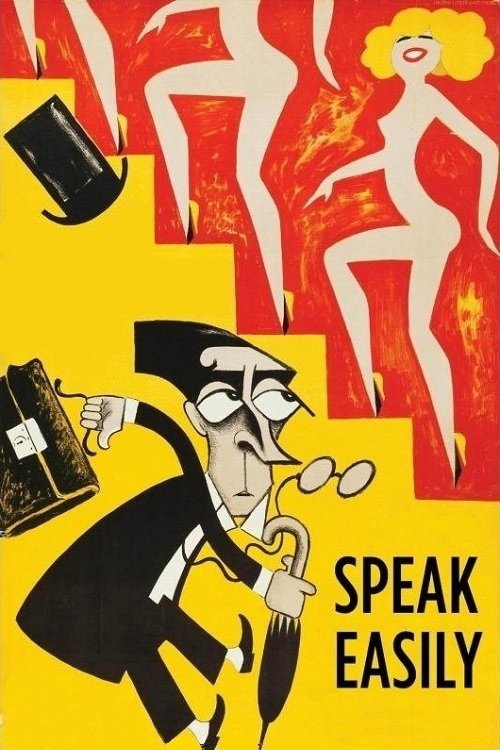
A Buster Keaton sound comedy directed by Edward Sedgwick for MGM, co-starring Jimmy Durante and Thelma Todd. Keaton plays a sheltered professor who inherits a fortune and, believing he has only months to live, joins a traveling musical show to experience life. Durante plays the show's manager, and Todd is the performer who catches the professor's eye. The film pairs Keaton's deadpan physical comedy with Durante's manic energy, an MGM attempt to replicate the comedy-duo formula. While Keaton's creative control was limited under MGM, the film features some fine physical sequences and the contrast between the two comedians' styles is genuinely funny. The film is in the public domain.
Comedy
Speak Easily
1932 - as Professor Timothy Pulsifer
Comedy, Action
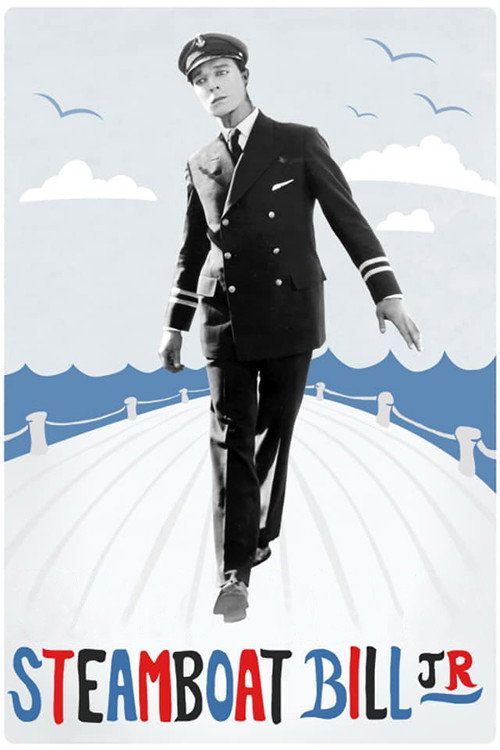
A steamboat captain's effete college son comes home to a Mississippi river town and falls for the daughter of his father's business rival. Willie tries to live up to the image of the rough riverman his father wants, with little success, until a cyclone tears through the town. The storm sequence is the film's centerpiece, with buildings collapsing around Keaton, and it contains the most famous single shot in silent comedy: the full facade of a house drops over him and he survives only because he is standing exactly where an open window in the wall passes around his body. The real clearance was a matter of inches. Keaton's deadpan expression never changes throughout. This was his last independent production before moving to MGM.
Comedy · Action · Silent
Steamboat Bill, Jr.
1928 - as William Canfield Jr.
Comedy, Silent
A Buster Keaton short co-directed with Edward F. Cline. Keaton plays a young man who wanders into a balloon and accidentally launches himself into the sky. He crash-lands in the wilderness, where he encounters a young woman and demonstrates his survival skills—or lack thereof. The film features a series of inventive gags involving canoes, fishing, and campfire cooking, all executed with Keaton's trademark deadpan precision. Though one of his lesser-known shorts, The Balloonatic showcases Keaton's ability to find comedy in any setting, from the sky to the rapids. The film is in the public domain.
Comedy · Silent · Adventure
The Balloonatic
1923 - as The Young Man
Comedy, Silent
Buster Keaton plays the long-suffering assistant to a monumental blacksmith (Joe Roberts) in this two-reel silent comedy co-directed with Malcolm St. Clair. In twenty minutes Keaton wrecks a Rolls-Royce, mis-shoes a horse, turns the shop's anvil into a weapon, and woos the local girl (Virginia Fox) through escalating disaster. The film is packed with signature Keaton engineering gags — the hinged car body, the horse that lifts a customer skyward — and a nude-statue routine that got the short censored in some territories. Made at the peak of Keaton's shorts period for producer Joseph M. Schenck, a year before he moved into features. Published in 1922, it is in the public domain in the United States.
Comedy · Silent
The Blacksmith
1922 - as Blacksmith's Assistant
Comedy, Silent
A Buster Keaton short co-directed with Edward F. Cline. Keaton plays a man who builds a boat—the "Damfino"—in his basement, only to discover it's too large to fit through the door. After demolishing his house to get it out, he launches the vessel with his family aboard, and things go from bad to worse as the boat proves spectacularly unseaworthy. The film's nautical gags showcase Keaton's gift for engineering-driven comedy, with each mechanical failure cascading into the next. The name "Damfino" (a play on "damn if I know") becomes the film's running punchline, uttered by Keaton each time disaster strikes. The film is in the public domain.
Comedy · Silent
The Boat
1921 - as The Boat Builder
Comedy, Romance
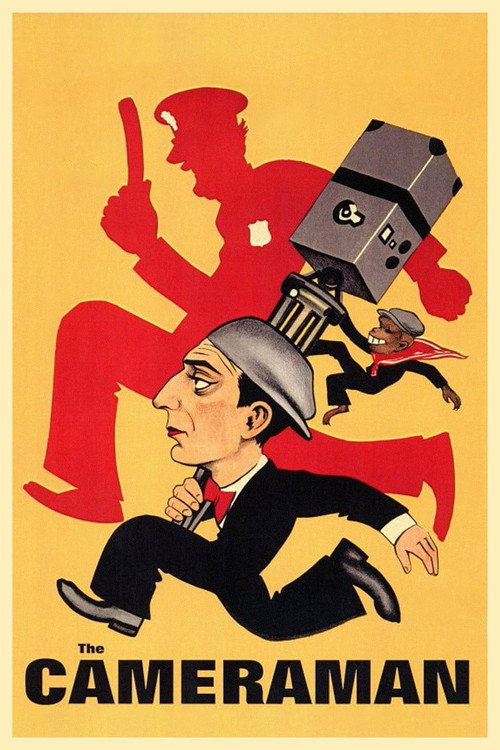
Buster Keaton's last true silent feature, made after his move to MGM and the last film over which he retained real creative control. He plays a tintype photographer who falls for a studio secretary and decides the way to win her is to become a newsreel cameraman. The gags are built around the camera and the newsreel business: a botched assignment at a Chinese tong war, a famous single-take baseball sequence filmed at Yankee Stadium, and a runaway bedroom that rolls down a hill with Keaton trapped inside. The chemistry with Marceline Day is easy and unforced. MGM would soon team Keaton with sound pictures and a production process that ground him down, which is why The Cameraman is often called the end of his golden period. The 1928 film entered the United States public domain on January 1, 2024.
Comedy · Romance · Silent
The Cameraman
1928 - as Luke Shannon
Comedy, Silent
A Buster Keaton short co-directed with Edward F. Cline. Keaton plays a botanist who, through a mix-up, is hired to electrify a wealthy man's house. He installs a series of automated gadgets—an escalator staircase, a self-setting dinner table, a motorized pool table—that all go hilariously wrong. The film is a showcase for Keaton's engineering ingenuity, with each mechanical contraption designed to fail in the most spectacular way possible. The escalator sequence, where Keaton is repeatedly carried up and dumped back down the stairs, is one of his most celebrated mechanical gags. The film is in the public domain.
Comedy · Silent
The Electric House
1922 - as The Botanist
Comedy, Western
The Frozen North is a 1922 silent comedy short co-directed by and starring Buster Keaton, with Edward F. Cline. Keaton parodies William S. Hart's Western films, playing a rugged cowboy who arrives in a frozen northern landscape and attempts a series of Western-movie tropes with disastrous results. The short is notable for its surreal humor and self-referential gags, including Keaton breaking the fourth wall. As a 1922 work, the film is in the public domain.
Comedy · Western
The Frozen North
1922 - as The Bad Man
Comedy, Action
Johnnie Gray is a railroad engineer in the South who is turned down for service when the Civil War breaks out because he is more useful driving trains than fighting. His sweetheart thinks he is a coward. Union spies steal his locomotive, The General, with Annabelle on board, and Johnnie gives chase in another engine. The chase runs in both directions and is built almost entirely from real trains, real track, and real stunts, with no miniatures. The famous shot of a locomotive plunging into a river was a single take with a real engine, and the wreckage sat in the river for years. The film was a commercial disappointment on release but is now regarded as one of the greatest comedies ever made. Buster Keaton produced, directed, and starred, and performed his own stunts.
Comedy · Action · Silent
The General
1926 - as Johnnie Gray
Comedy
The Goat is a 1921 silent comedy short co-directed by and starring Buster Keaton, with Malcolm St. Clair. Through a series of mistaken identities, Keaton becomes wanted as both a criminal and a dead man. The short features some of Keaton's most inventive chase sequences and visual gags, including a memorable scene where Keaton escapes on a motorcycle. As a 1921 work, the film is in the public domain.
Comedy
The Goat
1921 - as The Goat
Comedy, Horror
The Haunted House is a 1921 silent comedy short co-directed by and starring Buster Keaton, with Edward F. Cline. Keaton plays a bank clerk who ends up in a haunted house that is actually a front for a counterfeiting operation. The short features elaborate mechanical gags, including a collapsing staircase and a series of trap doors, as well as a memorable dream sequence where Keaton goes to heaven and hell. As a 1921 work, the film is in the public domain.
Comedy · Horror
The Haunted House
1921 - as Bank Clerk
Comedy, Crime
The High Sign is a 1921 silent comedy short co-directed by and starring Buster Keaton, with Edward F. Cline. Although made first, Keaton shelved it, considering it too close to his earlier Arbuckle-era style, and it was released later the same year. Keaton plays a drifter who joins a secret society called the Blinking Buzzards and is hired to assassinate a wealthy man, only to end up protecting him instead. The short features Keaton's famous homemade newspaper-reading gag. As a 1921 work, the film is in the public domain.
Comedy · Crime
The High Sign
1921 - as Our Hero
Comedy
The Love Nest is a 1923 silent comedy short co-directed by and starring Buster Keaton, with Edward F. Cline. Keaton sets out to sea on a whaling ship to forget his romantic troubles, only to encounter a brutal captain who throws crew members overboard at the slightest provocation. The short features Keaton's inventive physical comedy aboard the ship, including a memorable gag with a hatchet. This was Keaton's last independent two-reel comedy before moving on to feature films. The film is in the public domain.
Comedy
The Love Nest
1923 - as Buster Keaton
Comedy, Action
A spoiled rich man and the woman who turned down his proposal end up alone together on an abandoned ocean liner drifting out to sea. Neither can cook, open a can, or manage the simplest chore, and the comedy comes from watching two helpless people improvise a household on an enormous scale, rigging kitchen gadgets with ropes and pulleys. When the ship drifts near a cannibal island, Rollo has to fend off boarders in a deep-sea diving suit, and the famous underwater sequences were filmed in a real tank with Keaton inside the heavy gear. The ship was a real decommissioned passenger liner the production bought for the shoot. Keaton co-directed with Donald Crisp and performed his own stunts.
Comedy · Action · Silent
The Navigator
1924 - as Rollo Treadway
Comedy, Western
The Paleface is a 1922 silent comedy short co-directed by and starring Buster Keaton, with Edward F. Cline. Keaton plays a butterfly collector who wanders into a Western town and is captured by cannibal Indians. When he discovers their land is being stolen by corrupt oil prospectors, he helps the tribe expose the scheme. The short features Keaton's trademark physical comedy and deadpan reactions in a Western setting. As a 1922 work, the film is in the public domain.
Comedy · Western
The Paleface
1922 - as Little Chief Paleface
Comedy
The Playhouse is a 1921 silent comedy short co-directed by and starring Buster Keaton, with Edward F. Cline. The film opens with a famous dream sequence in which Keaton plays every role in a theater — the audience, the orchestra, the performers, the stagehands, and even a monkey. The sequence was achieved through multiple exposure, with Keaton filming the same scene dozens of times. After the dream, the film follows Keaton as a stagehand pursuing a romance with an actress. The opening sequence is widely regarded as one of the greatest technical achievements of the silent era. The film is in the public domain.
Comedy
The Playhouse
1921 - as Orchestra / Minstrels / Dancers / Audience / Stagehand
Comedy
The Scarecrow is a 1920 silent comedy short co-directed by and starring Buster Keaton, with Edward F. Cline. Keaton and Joe Roberts play farmhands sharing a room filled with Rube Goldberg-style space-saving contraptions. When Keaton is chased by Roberts after a misunderstanding involving Roberts' daughter, he disguises himself as a scarecrow. The short features one of Keaton's most celebrated chase sequences and a memorable scene where he runs through a house while it collapses around him. As a 1920 work, the film is in the public domain.
Comedy
The Scarecrow
1920 - as Farmhand
Comedy, Romance
Three Ages is a 1923 silent comedy feature co-directed by and starring Buster Keaton, with Edward F. Cline. Keaton's first feature film, it parodies D.W. Griffith's Intolerance by telling three parallel love stories set in the Stone Age, the Roman era, and the modern age. In each segment, Keaton competes with a larger, more formidable rival for the affections of a woman. The film was designed so that the three segments could be released separately as two-reelers if the feature format proved unsuccessful. The film is in the public domain.
Comedy · Romance
Three Ages
1923 - as The Boy