Anthony Veiller
2 credits on HibingeTV
From Wikipedia, the free encyclopedia Anthony Veiller (23 June 1903 – 27 June 1965) was an American screenwriter and film producer. The son of the screenwriter Bayard Veiller and the English actress Margaret Wycherly, Anthony Veiller wrote for 41 films between 1934 and 1964.
Acted In
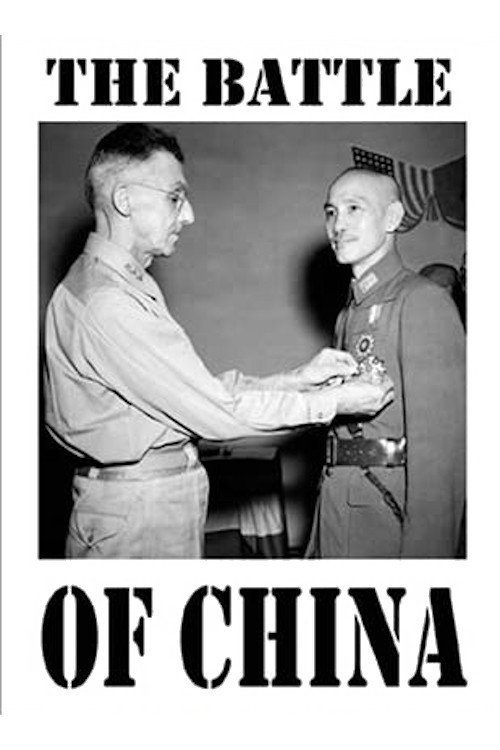
War, Documentary
The sixth chapter of Frank Capra's "Why We Fight" series explains Japan's long ambition to conquer China. It covers the invasion of Manchuria, the fall of Nanking, and the Chinese resistance that unified a fractured country against a foreign enemy. The film highlights the Burma Road, the seven-hundred-mile supply route the Allies built over the mountains to keep the Chinese army fed and armed, and argues that Japan's frustration in China drove it toward the Pacific and the United States. Made for the U.S. War Department. As a work of the U.S. federal government, the film is in the public domain.
War · Documentary
The Battle of China
1944 - as Narrator
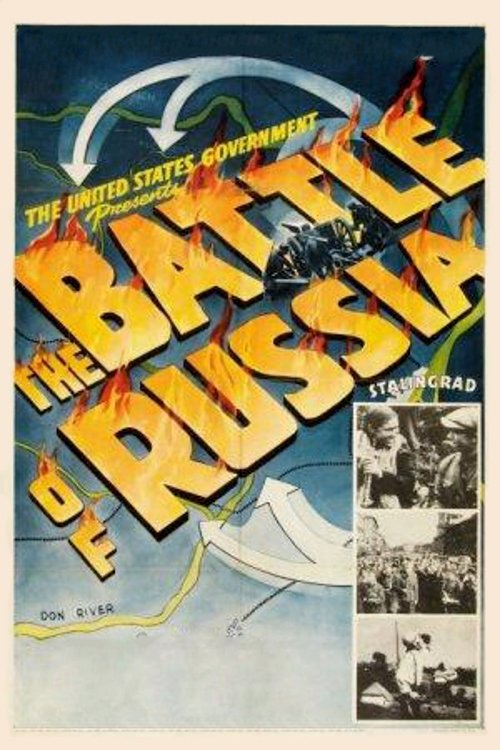
War, Documentary
The fifth and longest chapter of Frank Capra's "Why We Fight" series covers the German invasion of the Soviet Union and the Red Army's defense. Co-directed by the Russian-born Anatole Litvak, the film recounts seven hundred years of failed invasions of Russia, then traces the Nazi advance to the gates of Moscow and Leningrad and the turning point at Stalingrad. Released two years before the Cold War, it portrays the Soviet people sympathetically as allies. Walter Huston narrates, with a score by Dimitri Tiomkin drawing on Tchaikovsky and Russian folk song. As a work of the U.S. federal government, the film is in the public domain.
War · Documentary
The Battle of Russia
1943 - as Narrator