U.S. War Department
12 films on HibingeTV
The United States War Department was the executive department responsible for the U.S. Army from 1789 until 1947, when it was reorganized into the Department of the Army within the new Department of Defense. During World War II its Army Pictorial Service and Signal Corps produced the "Why We Fight" propaganda film series directed by Frank Capra, as well as John Huston's combat documentaries.
Produced
War, Documentary
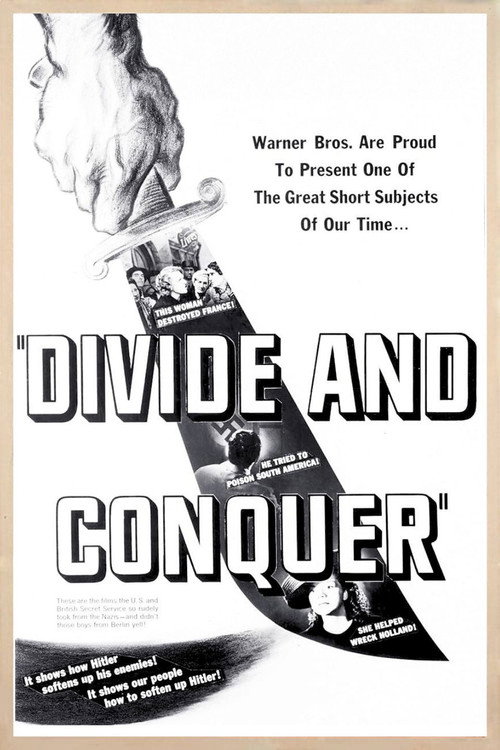
The third chapter of Frank Capra's "Why We Fight" series picks up after Britain and France declare war on Germany. It follows the Nazi capture of Denmark and Norway, the conquest of Luxembourg, Belgium, and the Netherlands, and the collapse of France in just over a month. The film pays blunt attention to Nazi atrocities, including the bombing of Rotterdam, and explains the German tactic of flooding roads with refugees to slow Allied armies. Made for the U.S. War Department, it won the Academy Award for Best Documentary. As a work of the U.S. federal government, the film is in the public domain.
War · Documentary
Divide and Conquer
1943 - War
War, Documentary
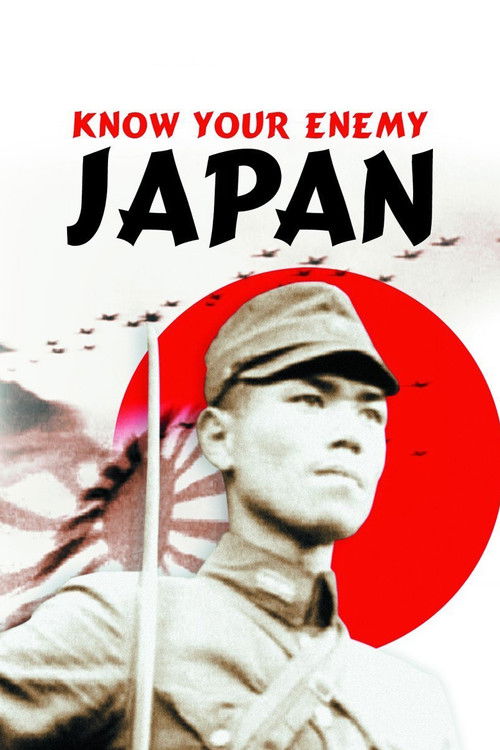
Frank Capra's companion piece to the "Why We Fight" series, produced for the War Department to orient troops headed for the Pacific. Joris Ivens began the film; Capra finished it, building a portrait of Japanese history and militarism out of captured Japanese footage — including material taken from Japan's own propaganda — before the surrender made it obsolete. It was withheld until 1977, and its portrayal of an entire people is both historically revealing and deeply of its moment. As a work of the U.S. federal government, the film is in the public domain.
War · Documentary
Know Your Enemy: Japan
1945 - War
War, Documentary
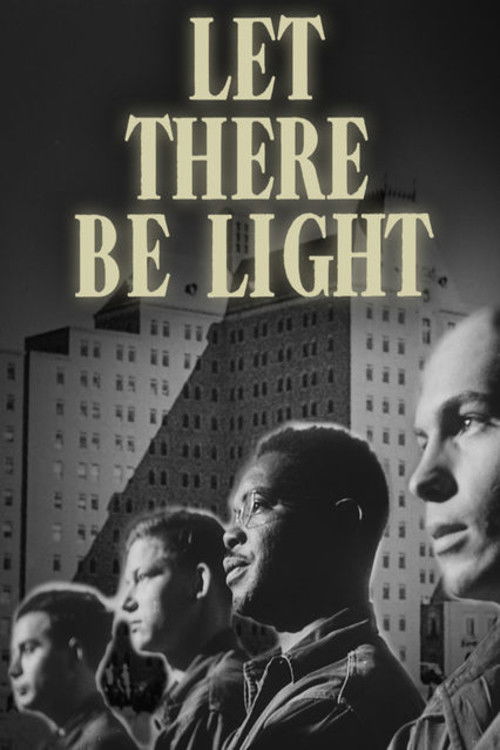
John Huston's last war documentary and the most controversial: filmed inside a military psychiatric hospital, it follows soldiers with what the Army called "psychoneurotic" conditions — today it would be PTSD — through treatment and back toward ordinary life. Walter Huston narrates. The War Department suppressed it for more than thirty years, reportedly because it showed damaged veterans too honestly, and it did not reach the public until 1980. It is now in the National Film Registry. As a work of the U.S. federal government, the film is in the public domain.
War · Documentary
Let There Be Light
1946 - War
War, Documentary
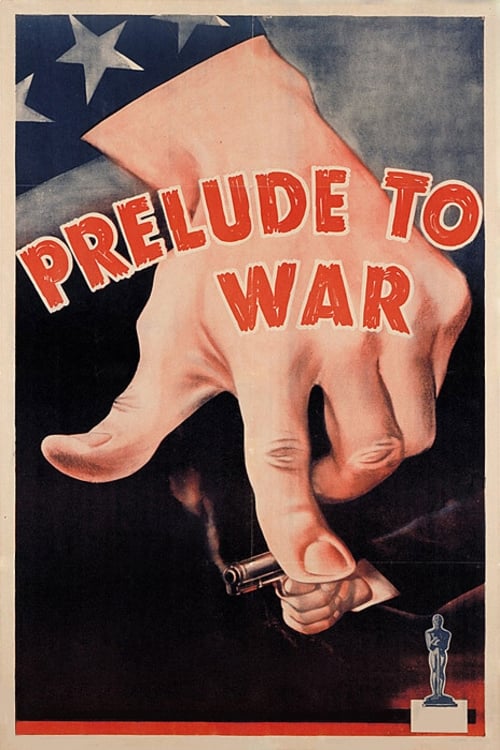
The first chapter of Frank Capra's "Why We Fight" series, made for the U.S. War Department to explain to soldiers and the public why the country was at war. The film frames World War II as a struggle between the "slave world" of the Axis dictatorships and the "free world" of American liberty, tracing the rise of Mussolini, Hitler, and Japanese militarism through archival footage and animated maps. Walter Huston narrates. The series was supervised by Capra, then a major in the Army Signal Corps, who drew on captured enemy footage and Hollywood editing techniques to make propaganda that played like a feature film. As a work of the U.S. federal government, the film is in the public domain.
War · Documentary
Prelude to War
1942 - War
War, Documentary
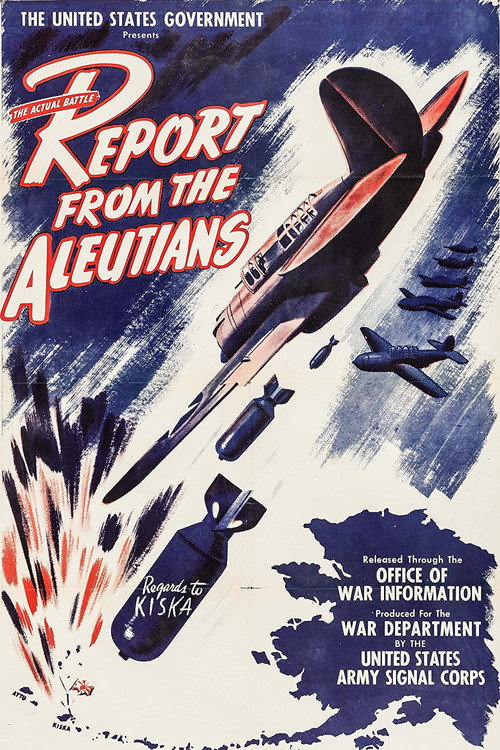
The first of John Huston's three war documentaries, made while he served as a captain in the U.S. Army Signal Corps. The film follows the daily life of American soldiers stationed on the Aleutian island of Adak, a cold and barren outpost of immense strategic value in the Pacific, and culminates in a bombing run over Japanese-occupied Kiska that Huston filmed from the plane himself. He narrates with his father, Walter Huston. It was nominated for the Academy Award for Best Documentary. As a work of the U.S. federal government, the film is in the public domain.
War · Documentary
Report from the Aleutians
1943 - War
War, Documentary
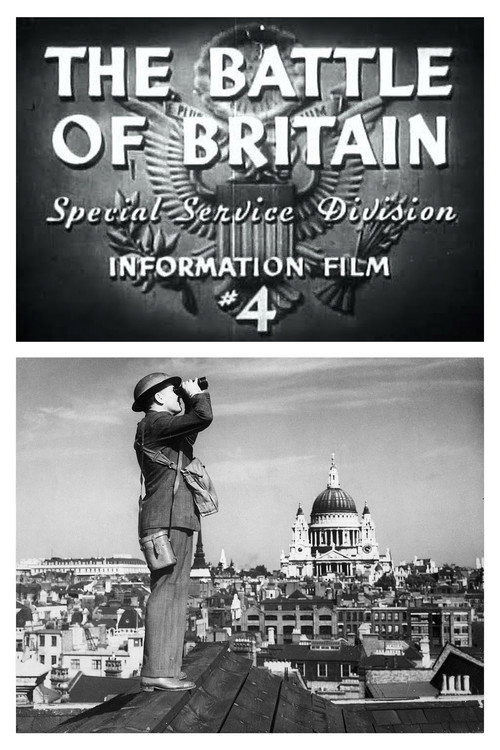
The fourth chapter of Frank Capra's "Why We Fight" series is devoted to the British stand against Germany in 1940, from the fall of France through the Luftwaffe's campaign to destroy the Royal Air Force and the Blitz that followed. The film argues that the Royal Air Force's refusal to break saved Britain and, by extension, the possibility of a liberated Europe. It blends British combat footage with captured German material and animated maps. Made for the U.S. War Department. As a work of the U.S. federal government, the film is in the public domain.
War · Documentary
The Battle of Britain
1943 - War
War, Documentary
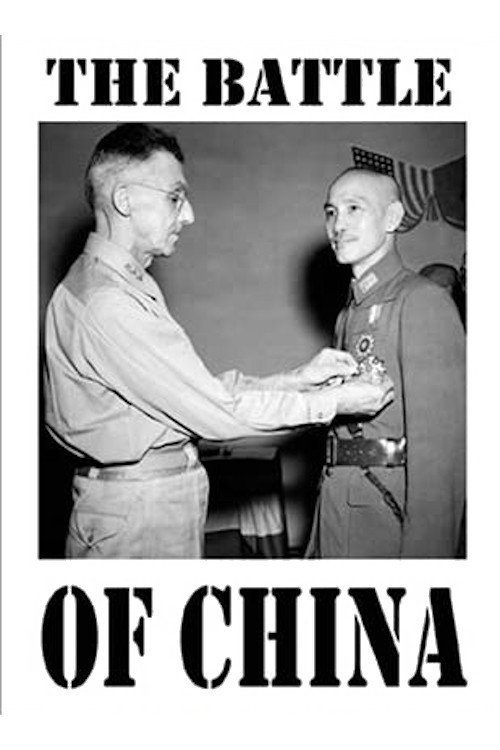
The sixth chapter of Frank Capra's "Why We Fight" series explains Japan's long ambition to conquer China. It covers the invasion of Manchuria, the fall of Nanking, and the Chinese resistance that unified a fractured country against a foreign enemy. The film highlights the Burma Road, the seven-hundred-mile supply route the Allies built over the mountains to keep the Chinese army fed and armed, and argues that Japan's frustration in China drove it toward the Pacific and the United States. Made for the U.S. War Department. As a work of the U.S. federal government, the film is in the public domain.
War · Documentary
The Battle of China
1944 - War
War, Documentary
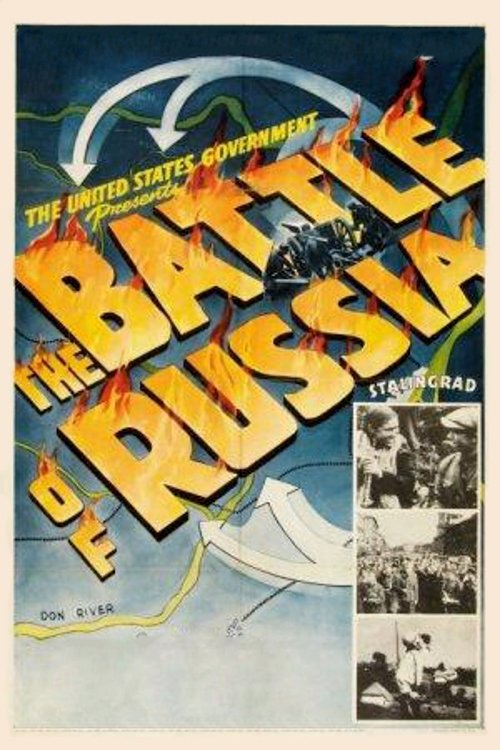
The fifth and longest chapter of Frank Capra's "Why We Fight" series covers the German invasion of the Soviet Union and the Red Army's defense. Co-directed by the Russian-born Anatole Litvak, the film recounts seven hundred years of failed invasions of Russia, then traces the Nazi advance to the gates of Moscow and Leningrad and the turning point at Stalingrad. Released two years before the Cold War, it portrays the Soviet people sympathetically as allies. Walter Huston narrates, with a score by Dimitri Tiomkin drawing on Tchaikovsky and Russian folk song. As a work of the U.S. federal government, the film is in the public domain.
War · Documentary
The Battle of Russia
1943 - War
War, Documentary
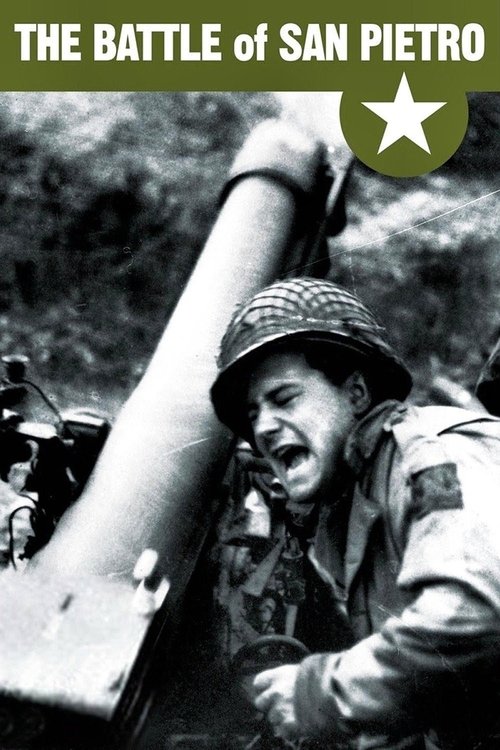
John Huston's second war documentary is about the 1943 Battle of San Pietro Infine, a costly Allied fight in the Italian campaign. Huston filmed with troops in the field, and the result was so unflinching that the U.S. Army initially refused to show it, fearing it would damage morale. General George Marshall ordered its release, arguing that soldiers headed into combat should see what war really looked like. Some battle scenes were re-created with the soldiers who had fought there, but the cost is real: two members of Huston's crew were killed during filming. As a work of the U.S. federal government, the film is in the public domain.
War · Documentary
The Battle of San Pietro
1945 - War
War, Documentary
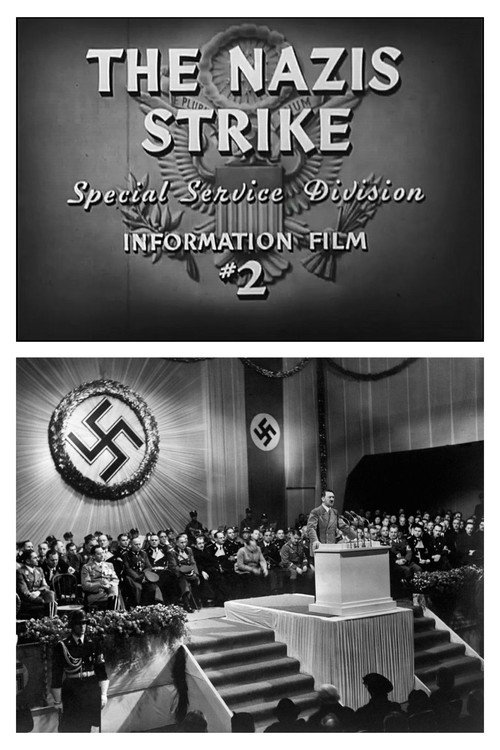
The second chapter of Frank Capra's "Why We Fight" series covers Adolf Hitler's plan for world conquest and Germany's march across Europe. From the annexation of Austria and Czechoslovakia through the invasion of Poland that triggered the British and French declarations of war, the film lays out the Nazi strategy of "softening up" future targets with political subversion before striking militarily. It uses captured German footage alongside Allied material. Made for the U.S. War Department, it was shown to troops heading overseas and then to the public. As a work of the U.S. federal government, the film is in the public domain.
War · Documentary
The Nazis Strike
1943 - War
War, Documentary
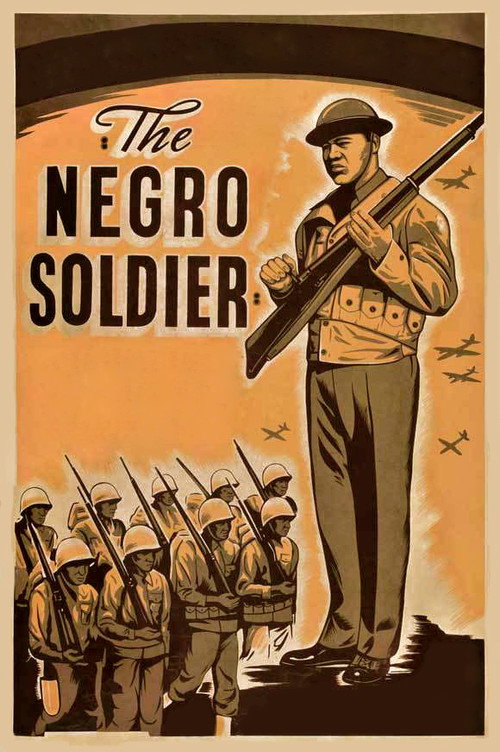
A U.S. Army documentary produced under Frank Capra's supervision and directed by Stuart Heisler, The Negro Soldier was a landmark in the portrayal of African Americans in the military. Framed as a sermon in a Black church, it traces the contributions of Black soldiers from the American Revolution through the Spanish-American War and into World War II, intercut with footage of training and combat. The film was made to recruit Black soldiers and to push back against segregation within the ranks, and it was required viewing for all U.S. Army troops. As a work of the U.S. federal government, the film is in the public domain.
War · Documentary
The Negro Soldier
1944 - War
War, Documentary
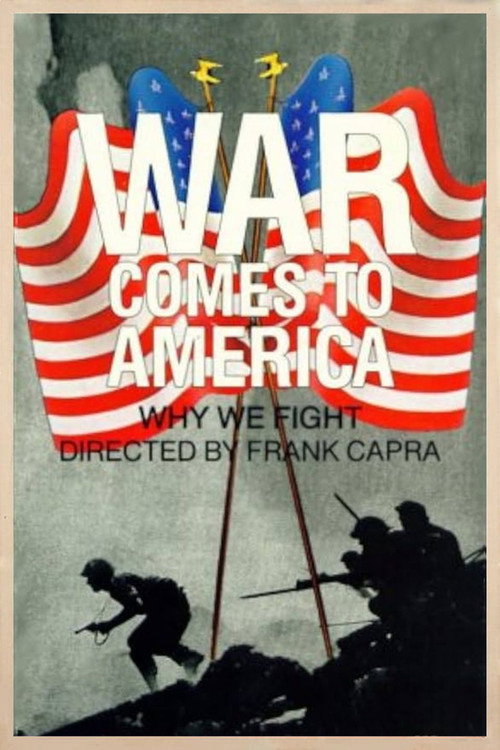
The seventh and final chapter of Frank Capra's "Why We Fight" series tells the story of America's slide into the war it had spent years trying to avoid. It traces the rise of isolationism and the German-American Bund, the growth of American industry and the draft as war grew inevitable, and the Japanese attack on Pearl Harbor that ended the argument. The film is both a defense of American values and an argument that those values could not survive a world ruled by the Axis. Made for the U.S. War Department. As a work of the U.S. federal government, the film is in the public domain.
War · Documentary
War Comes to America
1945 - War