UFA
12 films on HibingeTV
Universum Film AG, usually known as UFA, was a German film production company founded in 1917. It was the dominant studio of German cinema during the Weimar era and produced many of the landmark films of German Expressionism, including Metropolis (1927), The Cabinet of Dr. Caligari (1920), and Fritz Lang's Dr. Mabuse films. The studio was taken over by the Nazi government in the 1930s and reorganized after the war.
Produced
Fantasy, Horror
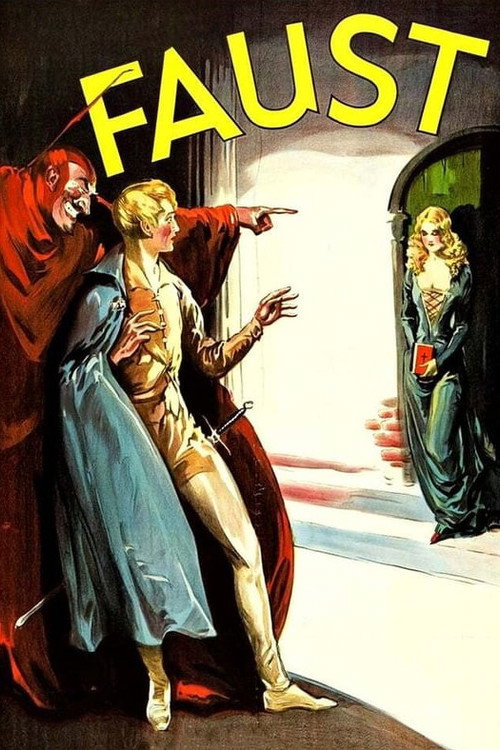
F.W. Murnau's final German film is a lavish silent adaptation of the Faust legend, drawing on Goethe and older folk versions of the tale. An archangel and Mephisto wager over the soul of an aged scholar, and the devil unleashes a plague to drive Faust to desperation. The pact gives Faust youth and worldly pleasure, but the story turns on his seduction of the innocent Gretchen and the tragedy that follows. Emil Jannings plays Mephisto as a leering, theatrical tempter, while Gosta Ekman ages and de-ages across the picture. The film is a high point of German Expressionism, famous for its optical tricks, painted skies, and the surreal image of Mephisto's wings spreading over a miniature town. It was a financial disappointment on release but has been revered by critics ever since. The film entered the public domain in the United States in 2022.
Fantasy · Horror · Drama · Silent
Faust
1926 - Fantasy
Comedy, Drama
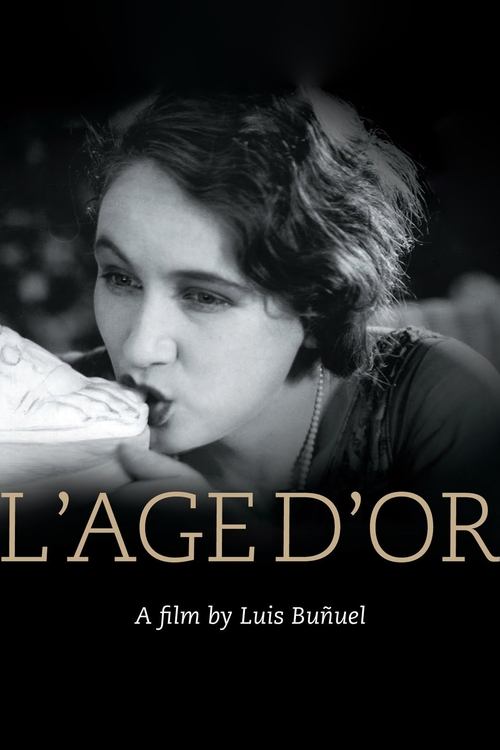
The second collaboration between Luis Buñuel and Salvador Dalí, and one of the first sound films made in France. A man and a woman are repeatedly drawn together and torn apart by the hypocrisies of bourgeois society and the Catholic Church, in a series of incidents that range from the absurd to the blasphemous. The film scandalized Paris on its release in 1930; members of the Ligue des Patriotes threw ink at the screen and assaulted audience members, and the film was banned in France for nearly fifty years. Its mixture of deadpan comedy, religious provocation, and dream logic made it a foundational text of surrealist cinema. Published in 1930, it entered the public domain in the United States on January 1, 2026.
Comedy · Drama · Surrealist
L'Âge d'Or
1930 - Comedy
Sci-Fi, Silent
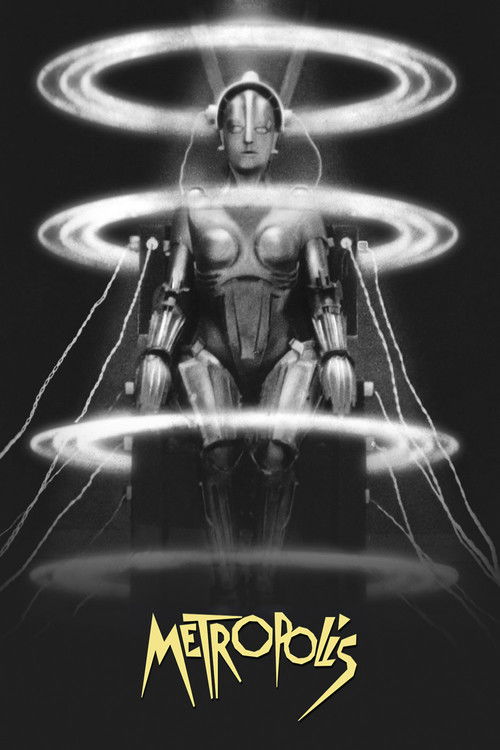
In a vast future city, the wealthy live in pleasure gardens above ground while workers toil underground to keep the machines running. Freder, the son of the city's master, follows a woman into the workers' city and sees the human cost of his father's order. A robot built in the shape of Maria is set loose to destroy the workers' hope. Fritz Lang's film is one of the most influential ever made; its images echo through every science fiction film since, from the robot design to the towering cityscape. The film was cut down and re-edited for years after its premiere, and a near-complete restoration was assembled decades later from archives around the world. Thea von Harbou wrote the screenplay and the novel it is based on. The film is in the public domain as a pre-1930 work.
Sci-Fi · Silent
Metropolis
1927 - Sci-Fi
Drama, Music
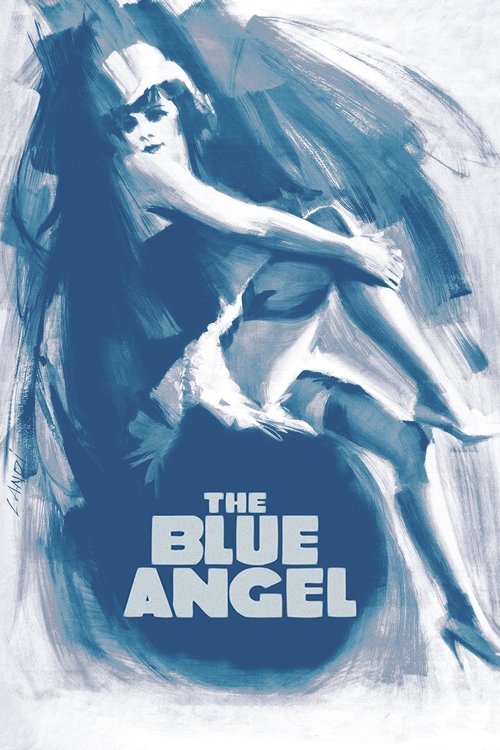
Josef von Sternberg's adaptation of Heinrich Mann's novel Professor Unrat follows a respectable schoolteacher, Immanuel Rath, who is undone by his infatuation with Lola Lola, the cabaret singer at the Blue Angel. Emil Jannings plays the professor's descent from authority to humiliation, and Marlene Dietrich, in her breakthrough role, introduces "Falling in Love Again (Can't Help It)." Von Sternberg's command of light and shadow gives the cabaret scenes a smoky opulence that defined his style. The film made Dietrich an international star and launched her seven-film collaboration with von Sternberg in Hollywood. Published in 1930, it entered the public domain in the United States on January 1, 2026.
Drama · Music
The Blue Angel
1930 - Drama
Drama, Silent
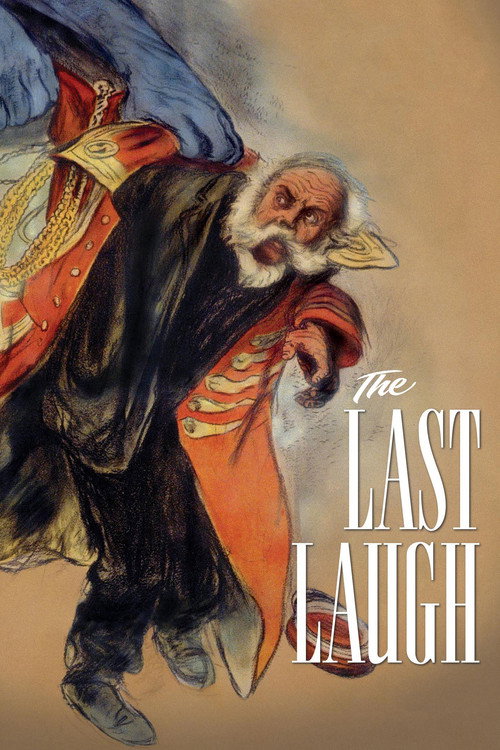
F.W. Murnau's study of a proud hotel doorman, played by Emil Jannings, who is demoted to washroom attendant and stripped of the uniform that gave him his identity. Working from a screenplay by Carl Mayer, Murnau tells nearly the whole story without a single intertitle, letting Karl Freund's unchained camera convey the porter's humiliation and fantasies of grandeur. The camera rides up elevators, swings through the hotel lobby, and tilts with the porter's drunken reeling, techniques that astonished audiences in 1924. A tacked-on happy ending, imposed against Murnau's wishes, only underscores the bleakness that precedes it. The film was a landmark of German Kammerspielfilm and a direct influence on the move toward purely visual storytelling in the late silent era. The film entered the public domain in the United States in 2020.
Drama · Silent
The Last Laugh
1924 - Drama
Distributed
Fantasy, Adventure
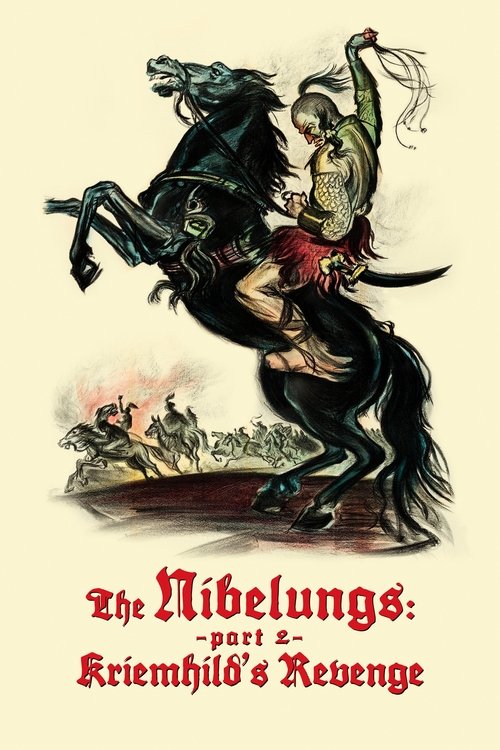
The second half of Fritz Lang's Nibelungenlied adaptation, picking up after Siegfried's murder. Kriemhild marries the Hun king Etzel (Attila) to gather an army, then engineers a massacre of the Burgundians at his court. Where the first film was a myth of heroism, this one is a study of grief hardening into vengeance, ending in a burning hall strewn with bodies. Lang's staging of the climactic siege, with Huns setting the hall alight and Burgundians choosing death, is one of the most violent images in silent cinema. The two films together were meant as a national epic for Weimar Germany, and their ambivalence about loyalty, honor, and revenge has been read and re-read through every German crisis since. The film entered the public domain in the United States in 2020.
Fantasy · Adventure · Drama · Silent
Die Nibelungen: Kriemhild's Revenge
1924 - Fantasy
Fantasy, Adventure
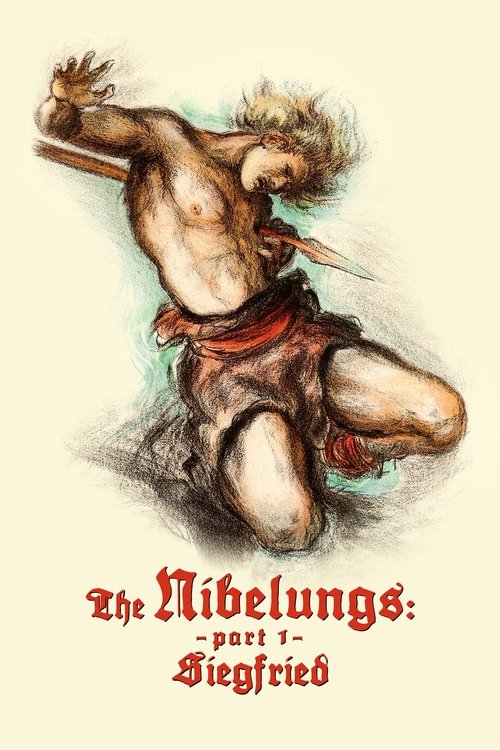
The first half of Fritz Lang's two-part adaptation of the medieval Nibelungenlied, written with his wife Thea von Harbou. Siegfried of Xanten forges a magic sword, slays a dragon, bathes in its blood to become invulnerable, and travels to Worms to woo the Burgundian princess Kriemhild. Lang stages the legend on a monumental scale, with carved forests, a mechanical dragon, and geometric compositions that turn myth into architecture. The film was a prestige production for UFA, meant to assert German cinema's ambition after the First World War, and its visual grandeur has influenced fantasy filmmaking ever since. The story continues in the companion film, Die Nibelungen: Kriemhild's Revenge. The film entered the public domain in the United States in 2020.
Fantasy · Adventure · Drama · Silent
Die Nibelungen: Siegfried
1924 - Fantasy
Fantasy, Horror
F.W. Murnau's final German film is a lavish silent adaptation of the Faust legend, drawing on Goethe and older folk versions of the tale. An archangel and Mephisto wager over the soul of an aged scholar, and the devil unleashes a plague to drive Faust to desperation. The pact gives Faust youth and worldly pleasure, but the story turns on his seduction of the innocent Gretchen and the tragedy that follows. Emil Jannings plays Mephisto as a leering, theatrical tempter, while Gosta Ekman ages and de-ages across the picture. The film is a high point of German Expressionism, famous for its optical tricks, painted skies, and the surreal image of Mephisto's wings spreading over a miniature town. It was a financial disappointment on release but has been revered by critics ever since. The film entered the public domain in the United States in 2022.
Fantasy · Horror · Drama · Silent
Faust
1926 - Fantasy
Comedy, Drama
The second collaboration between Luis Buñuel and Salvador Dalí, and one of the first sound films made in France. A man and a woman are repeatedly drawn together and torn apart by the hypocrisies of bourgeois society and the Catholic Church, in a series of incidents that range from the absurd to the blasphemous. The film scandalized Paris on its release in 1930; members of the Ligue des Patriotes threw ink at the screen and assaulted audience members, and the film was banned in France for nearly fifty years. Its mixture of deadpan comedy, religious provocation, and dream logic made it a foundational text of surrealist cinema. Published in 1930, it entered the public domain in the United States on January 1, 2026.
Comedy · Drama · Surrealist
L'Âge d'Or
1930 - Comedy
Drama, Music
Josef von Sternberg's adaptation of Heinrich Mann's novel Professor Unrat follows a respectable schoolteacher, Immanuel Rath, who is undone by his infatuation with Lola Lola, the cabaret singer at the Blue Angel. Emil Jannings plays the professor's descent from authority to humiliation, and Marlene Dietrich, in her breakthrough role, introduces "Falling in Love Again (Can't Help It)." Von Sternberg's command of light and shadow gives the cabaret scenes a smoky opulence that defined his style. The film made Dietrich an international star and launched her seven-film collaboration with von Sternberg in Hollywood. Published in 1930, it entered the public domain in the United States on January 1, 2026.
Drama · Music
The Blue Angel
1930 - Drama
Drama, Silent
F.W. Murnau's study of a proud hotel doorman, played by Emil Jannings, who is demoted to washroom attendant and stripped of the uniform that gave him his identity. Working from a screenplay by Carl Mayer, Murnau tells nearly the whole story without a single intertitle, letting Karl Freund's unchained camera convey the porter's humiliation and fantasies of grandeur. The camera rides up elevators, swings through the hotel lobby, and tilts with the porter's drunken reeling, techniques that astonished audiences in 1924. A tacked-on happy ending, imposed against Murnau's wishes, only underscores the bleakness that precedes it. The film was a landmark of German Kammerspielfilm and a direct influence on the move toward purely visual storytelling in the late silent era. The film entered the public domain in the United States in 2020.
Drama · Silent
The Last Laugh
1924 - Drama
Fantasy, Horror
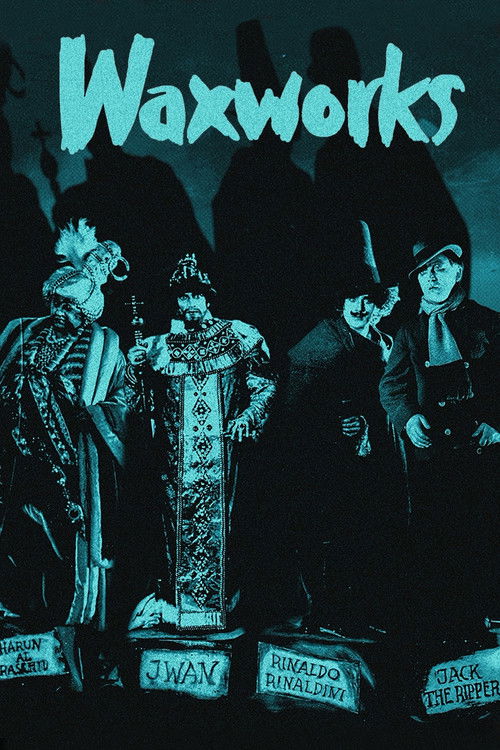
Paul Leni's German Expressionist anthology strings together three tales a wandering poet invents for the figures in a wax museum. Emil Jannings plays the Caliph Harun al-Rashid, slipping through Baghdad in disguise to court a baker's wife; Conrad Veidt is Ivan the Terrible, spiraling into paranoid madness over a poisoned hourglass; and Werner Krauss is a nightmarish Jack the Ripper who seems to step out of the poet's dreams. Leni's sets tilt and bend, his shadows are painted on, and the camera pushes in close on faces twisted by fear and obsession. The film was a bridge between German Expressionism and the horror cinema Leni would help found after he emigrated to Hollywood, where he directed The Cat and the Canary (1927). The film entered the public domain in the United States in 2020.
Fantasy · Horror · Silent
Waxworks
1924 - Fantasy