Decla-Bioscop
5 films on HibingeTV
German film production company formed in 1920 from the merger of Decla and Bioscop. It was one of the leading studios of German Expressionist cinema and produced The Cabinet of Dr. Caligari (1920). The company was later absorbed into UFA.
Produced
Fantasy, Adventure
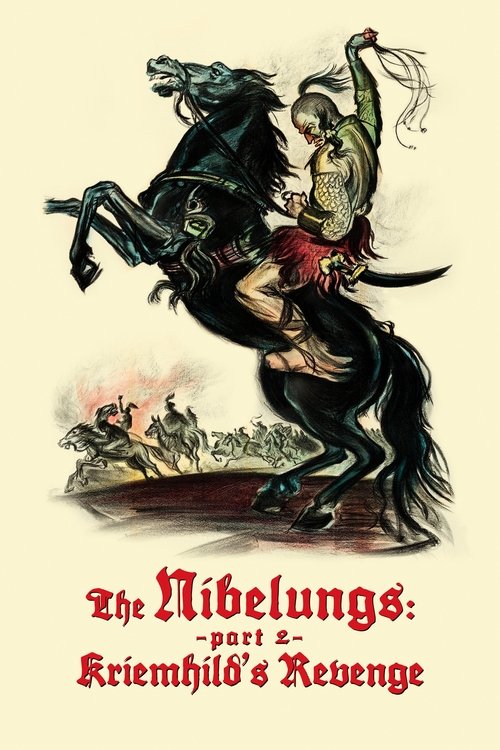
The second half of Fritz Lang's Nibelungenlied adaptation, picking up after Siegfried's murder. Kriemhild marries the Hun king Etzel (Attila) to gather an army, then engineers a massacre of the Burgundians at his court. Where the first film was a myth of heroism, this one is a study of grief hardening into vengeance, ending in a burning hall strewn with bodies. Lang's staging of the climactic siege, with Huns setting the hall alight and Burgundians choosing death, is one of the most violent images in silent cinema. The two films together were meant as a national epic for Weimar Germany, and their ambivalence about loyalty, honor, and revenge has been read and re-read through every German crisis since. The film entered the public domain in the United States in 2020.
Fantasy · Adventure · Drama · Silent
Die Nibelungen: Kriemhild's Revenge
1924 - Fantasy
Fantasy, Adventure
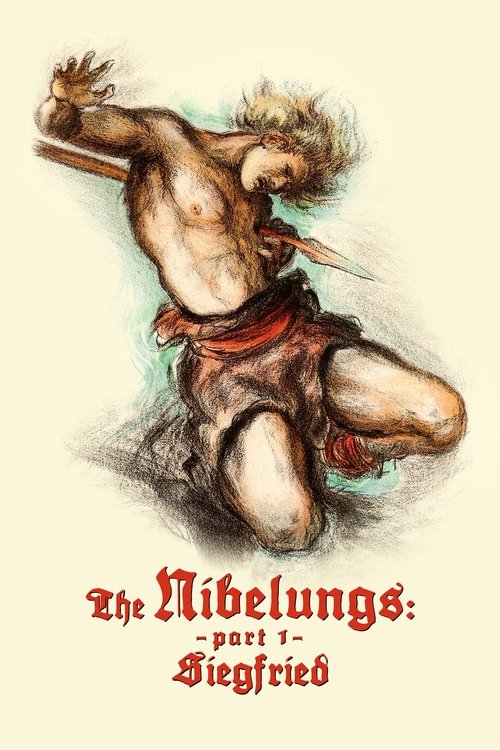
The first half of Fritz Lang's two-part adaptation of the medieval Nibelungenlied, written with his wife Thea von Harbou. Siegfried of Xanten forges a magic sword, slays a dragon, bathes in its blood to become invulnerable, and travels to Worms to woo the Burgundian princess Kriemhild. Lang stages the legend on a monumental scale, with carved forests, a mechanical dragon, and geometric compositions that turn myth into architecture. The film was a prestige production for UFA, meant to assert German cinema's ambition after the First World War, and its visual grandeur has influenced fantasy filmmaking ever since. The story continues in the companion film, Die Nibelungen: Kriemhild's Revenge. The film entered the public domain in the United States in 2020.
Fantasy · Adventure · Drama · Silent
Die Nibelungen: Siegfried
1924 - Fantasy
Horror, Silent
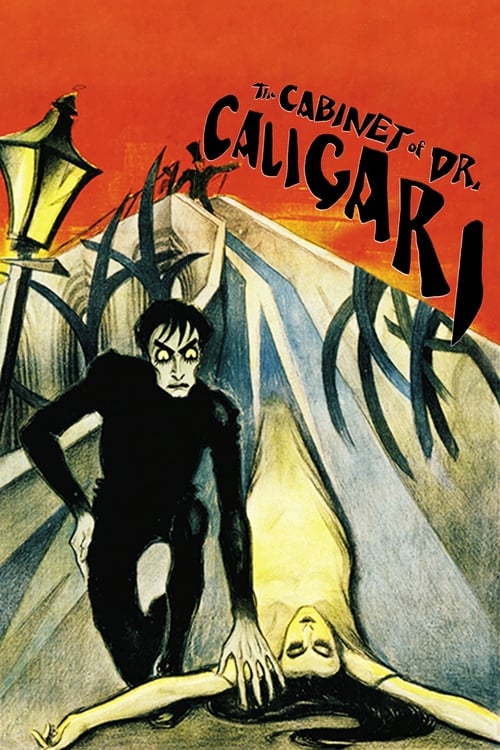
In a German village, a series of murders follows the arrival of a fairground showman named Dr. Caligari, who displays a sleepwalker named Cesare and claims he can answer any question. Cesare is made to kill at night. The story is told by a young man named Francis, and the truth of what he describes is called into question by the ending. The film defined German Expressionist cinema. Every set was painted with sharp angles and distorted perspective, with no right angles, so that the world itself looks like it is bending. The visual style was a direct influence on film noir and on horror for the next century. Werner Krauss plays Caligari and Conrad Veidt plays Cesare; both performances are unsettling and physical. The film is in the public domain as a pre-1930 work.
Horror · Silent
The Cabinet of Dr. Caligari
1920 - Horror
Distributed
Crime, Thriller
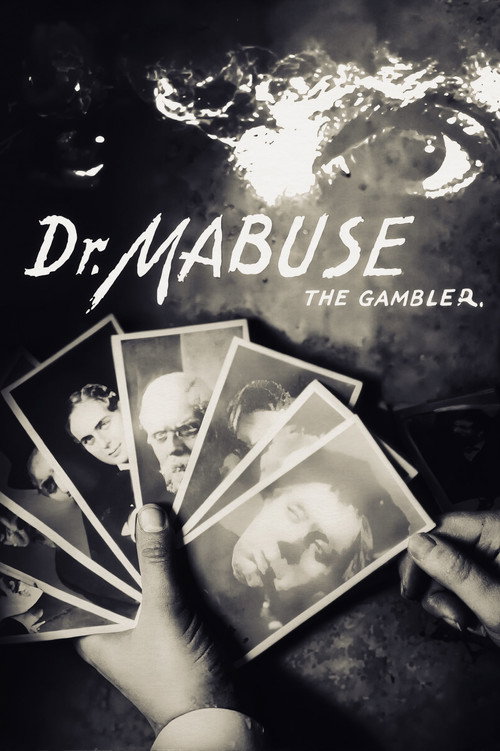
Fritz Lang's two-part criminal epic introduced cinema's first great supervillain. Dr. Mabuse (Rudolf Klein-Rogge) is a hypnotist, master of disguise, and criminal psychologist who manipulates Berlin's decadent gambling clubs, ruins the industrialist Hull, and destroys the young Count Told — all while state prosecutor von Wenk (Bernhard Goetzke) doggedly hunts the phantom pulling the strings. Adapted from Norbert Jacques's novel and subtitled *A Picture of the Time*, the film is both a cracking crime saga and a portrait of Weimar Germany's postwar instability. Mabuse's chilling final descent into madness made him an archetype Lang would revisit twice more. Published in 1922, it is in the public domain in the United States.
Crime · Thriller · Silent
Dr. Mabuse, the Gambler
1922 - Crime
Horror, Fantasy
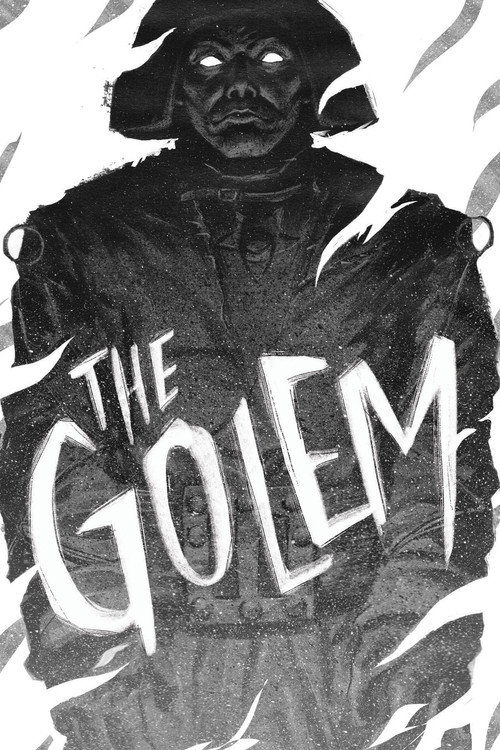
The surviving masterpiece of German expressionist horror. In 16th century Prague, Rabbi Loew (Albert Steinrück) sculpts a giant of clay and brings it to life with a magic word to defend the ghetto from an imperial decree of expulsion — but the Golem (Paul Wegener, who co-directed with Carl Boese) will not remain a servant. The staggered Expressionist sets, built like crooked clay houses, and the creation sequence's Kabbalistic ritual became templates for Frankenstein and every creature feature after. This was Wegener's third Golem film and the only one to survive substantially intact. A century on, it remains genuinely uncanny. Published in 1920, it is in the public domain in the United States.
Horror · Fantasy · Silent
The Golem: How He Came into the World
1920 - Horror