Charles Chaplin Productions
5 films on HibingeTV
Production company founded by Charlie Chaplin to make his feature films independently. Chaplin built his own studio on La Brea Avenue in Hollywood in 1917 and produced his films there through the 1940s. The company produced The Kid (1921), The Gold Rush (1925), The Circus (1928), City Lights (1931), and Modern Times (1936). Chaplin was one of the first filmmakers to own his own studio and retain creative control over his work.
Produced
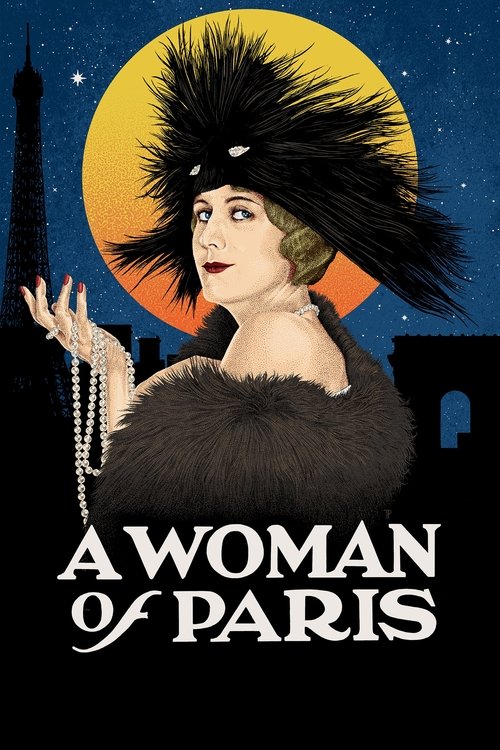
Drama, Romance
Charlie Chaplin's first serious drama, written and directed by him as a starring vehicle for his longtime leading lady Edna Purviance—Chaplin himself appears only in a brief, uncredited cameo. Marie St. Clair (Purviance) believes she has been abandoned by her lover Jean and moves to Paris, where she becomes the mistress of wealthy playboy Pierre Revel (Adolphe Menjou). Years later, Jean reappears, and Marie must choose between respectability and the glamorous life she has built. Chaplin's sophisticated approach to adult relationships, his satirical eye for high society, and his rejection of melodramatic conventions stunned audiences and critics. The film was a commercial failure but influenced directors from Lubitsch to Renoir, and is now regarded as one of the great silent dramas. The film is in the public domain.
Drama · Romance · Silent
A Woman of Paris
1923 - Drama
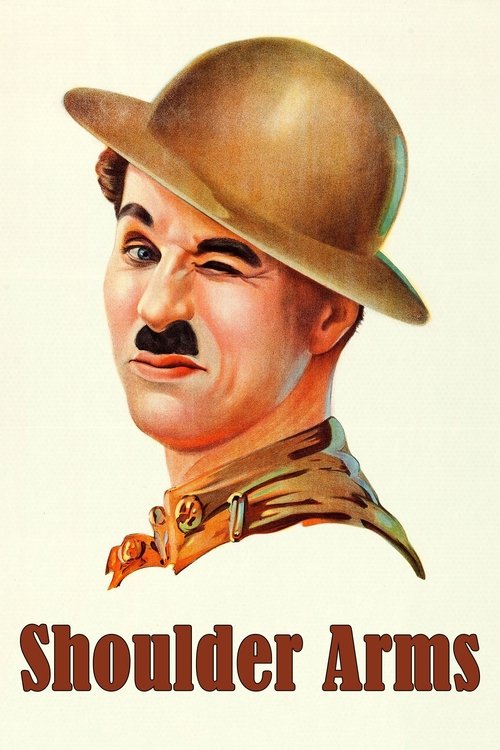
Comedy, War
A Charlie Chaplin comedy set during World War I, released just weeks before the Armistice. Chaplin's Little Fellow enlists in the army, endures the absurdities of military training, and is sent to the trenches of France, where his bumbling courage leads him to capture a group of German soldiers and infiltrate enemy lines. The film was a risky proposition—making comedy out of an ongoing war—but it was a enormous hit with both audiences and soldiers, who appreciated its humane, anti-authoritarian spirit. Chaplin's genius for finding comedy in adversity is on full display, particularly in the famous sequence where he sleeps in a flooded trench while standing upright. The film is in the public domain.
Comedy · War · Silent
Shoulder Arms
1918 - Comedy
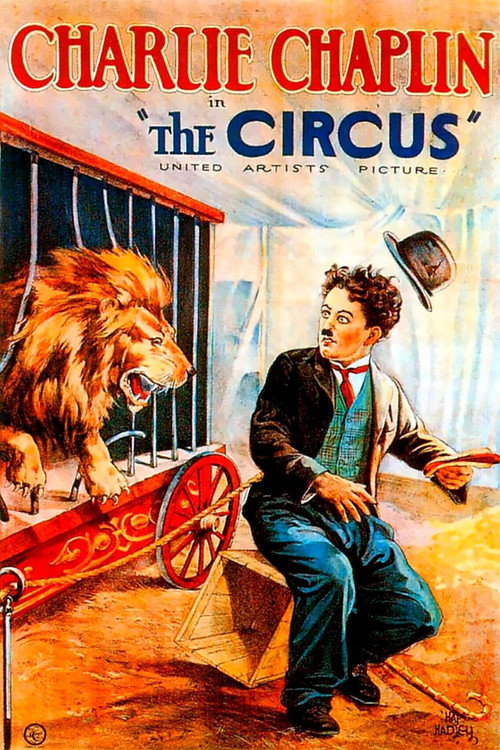
Comedy, Silent
Chaplin's Tramp stumbles into a circus and accidentally becomes the star of the show. The audience laughs at him, not with his act but at his bumbling, and the ringmaster realizes the Tramp is the draw. The Tramp himself is oblivious, thinking he is a serious performer. He falls for the ringmaster's daughter, who in turn falls for the tightrope walker. Chaplin produced, directed, wrote, edited, and starred in the film, and composed the score years later. It won an Academy Award for versatility and genius in acting, writing, directing, and producing.
Comedy · Silent
The Circus
1928 - Comedy
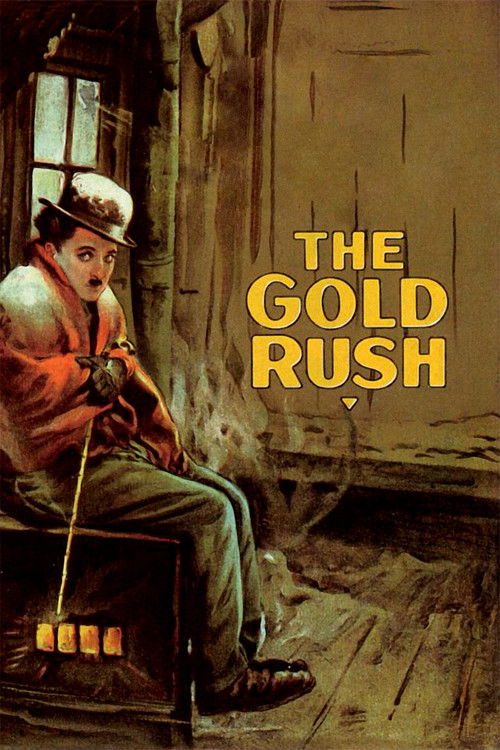
Comedy, Adventure
Charlie Chaplin's Little Tramp heads to the Klondike during the gold rush and finds himself stranded in a remote cabin through a blizzard, starving alongside a towering prospector named Big Jim McKay. The famous sequence of Chaplin boiling and eating his boot, twirling the laces like spaghetti, began here. The film follows the prospector into a frontier town, where he falls for a dance-hall girl named Georgia and tries, mostly badly, to win her regard. Chaplin wrote, directed, produced, scored, and starred, and the production was enormous: a full Alaskan town built on a Hollywood backlot, real location work in the Sierra Nevada, and a shoot that ran more than a year. The result is the film Chaplin said he most wanted to be remembered by. Published in 1925, it is in the public domain in the United States.
Comedy · Adventure · Silent
The Gold Rush
1925 - Comedy
Comedy, Drama
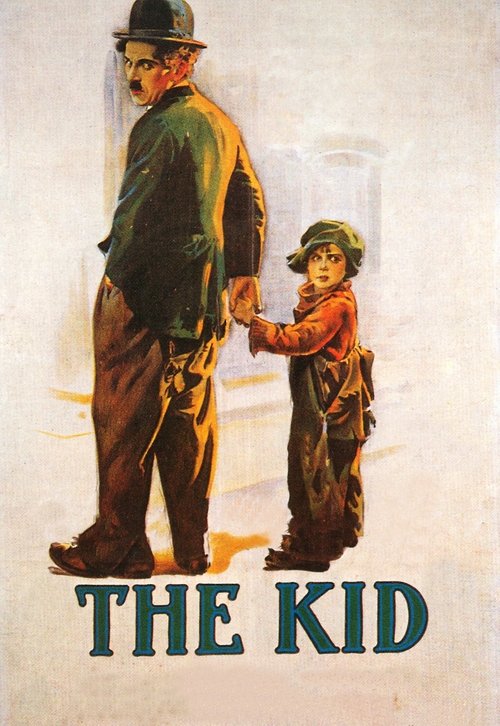
Charlie Chaplin's first feature film and one of the greatest films of the silent era. The Tramp discovers an abandoned baby in an alley and, after trying to leave it, raises the boy as his own. Five years later, the Kid (Jackie Coogan) is his partner in a glass-replacing scam, and the two share a tender, scrappy life together. When the boy falls ill and welfare officials try to take him away, the Tramp fights to keep him. Chaplin balanced broad comedy with genuine pathos, and Coogan's performance made him the first major child star in film history. The dream sequence, in which Chaplin imagines heaven as a rooftop populated by angels and devils, is one of the most imaginative passages in silent cinema. The film was co-founded through United Artists, the distribution company Chaplin had helped create in 1919. As a work published before 1930, it is in the public domain in the United States.
Comedy · Drama · Silent
The Kid
1921 - Comedy